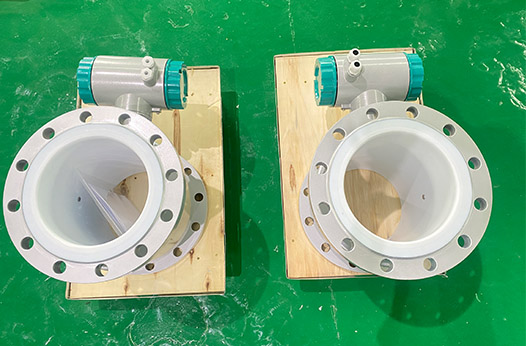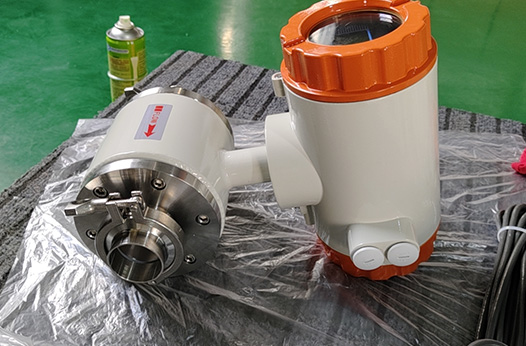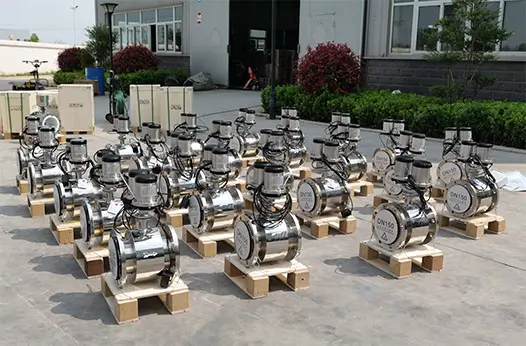
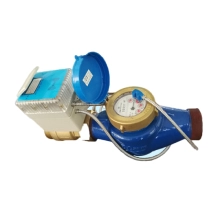
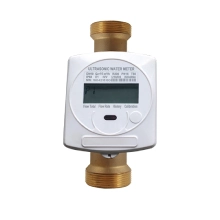
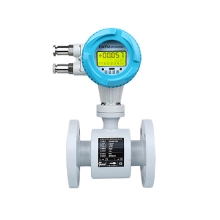
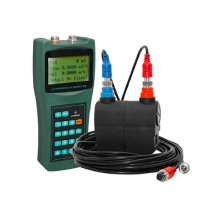
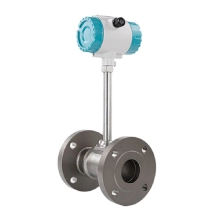
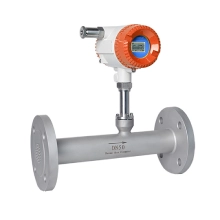
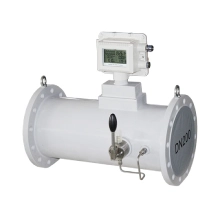

In June 2026, WESDUN exported a batch of electromagnetic flow meters to Kenya for use in a municipal wastewater treatment plant. This shipment marks another step in WESDUN’s efforts to support water and wastewater projects with reliable industrial measurement equipment.
As urban populations grow, the demand for effective sanitation and wastewater management continues to increase. Municipal wastewater treatment plants need reliable ways to monitor water flow throughout the treatment process. Accurate flow data helps operators understand system performance, manage treatment capacity, and improve daily operations.
Electromagnetic flow meters offer a practical solution for measuring electrically conductive liquids in wastewater treatment applications. Through this shipment to Kenya, WESDUN continues to support customers involved in municipal water infrastructure and environmental protection.
Why Is Flow Measurement Important in Municipal Wastewater Treatment?
Municipal wastewater treatment plants collect and treat wastewater from residential areas, commercial buildings, and other urban sources before discharging it or preparing it for further use.
Flow measurement plays an important role at different stages of the treatment process. Operators need to know how much wastewater enters the plant, how it moves between treatment units, and how much treated water leaves the facility.
Reliable flow data helps plant operators:
- Monitor incoming wastewater volumes.
- Track flow rates between treatment stages.
- Manage treatment capacity and daily operating conditions.
- Identify unusual flow changes that may require further investigation.
- Maintain operational records and improve process management.
Without suitable flow measurement equipment, operators may find it difficult to track changes in wastewater volume or evaluate the performance of individual treatment processes.
For this reason, choosing the right flow meter is an important part of planning and maintaining municipal wastewater infrastructure.
Why Choose Electromagnetic Flow Meters for Wastewater Applications?
Electromagnetic flow meters measure the flow rate of electrically conductive liquids based on Faraday’s law of electromagnetic induction.
When a conductive liquid moves through a magnetic field, it generates a voltage related to its flow velocity. The meter detects this voltage and uses it to calculate the flow rate.
This measuring principle offers several advantages for wastewater applications.
1. No Moving Parts in the Measuring Tube
Electromagnetic flow meters have no moving mechanical parts inside the measuring tube. This design reduces mechanical wear and can simplify maintenance.
It is particularly useful in wastewater systems where equipment must operate reliably under changing flow conditions.
2. Suitable for Conductive Wastewater
Municipal wastewater generally contains dissolved substances that make it electrically conductive. This makes electromagnetic flow measurement suitable for many wastewater applications.
However, the liquid must meet the meter’s minimum electrical conductivity requirement. Buyers should confirm the expected conductivity and other process conditions before selecting a model.
3. Minimal Obstruction to Flow
A typical full-bore electromagnetic flow meter has no internal moving components that obstruct the flow.
This design helps maintain an unobstructed flow path and makes electromagnetic flow meters a practical option for many water and wastewater pipelines.
4. Useful Data for Process Management
Depending on the model and system configuration, electromagnetic flow meters can measure flow rates and support process monitoring in wastewater treatment plants.
These measurements help operators monitor system conditions and make better-informed operating decisions.
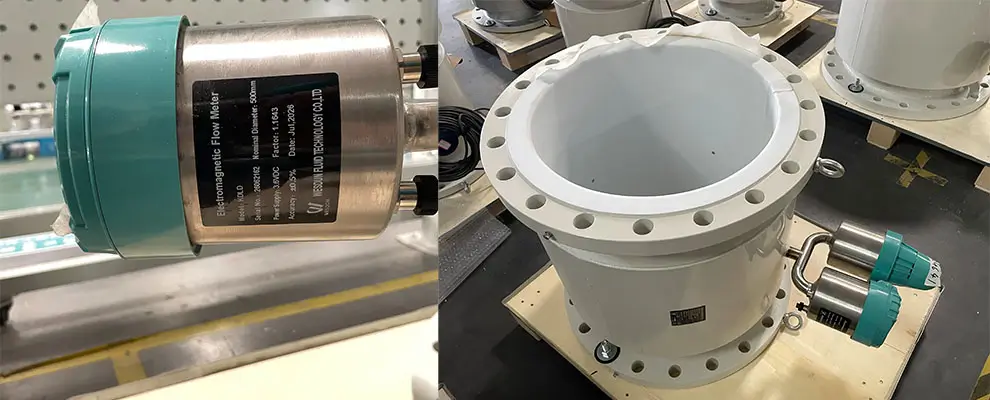
WESDUN’s June 2026 Shipment to Kenya
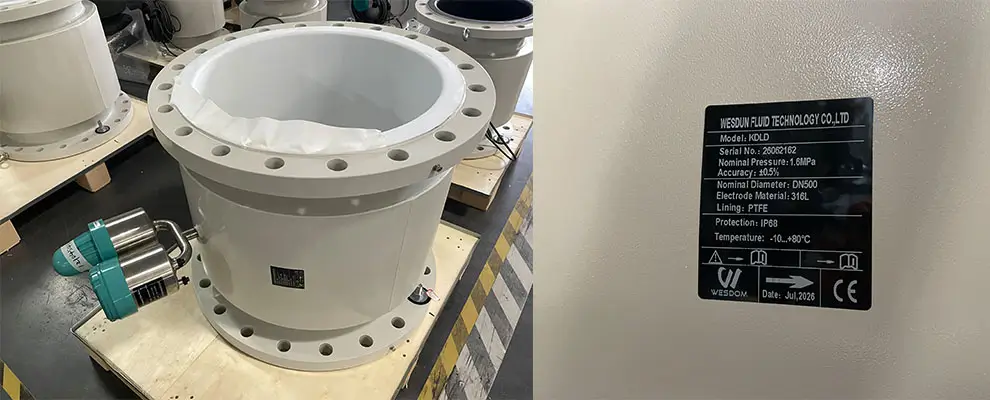
In June 2026, WESDUN exported a batch of electromagnetic flow meters for use in a municipal wastewater treatment plant in Kenya.
Kenya continues to face challenges in water supply, sanitation, and wastewater infrastructure. For municipal treatment facilities, suitable measurement equipment can support effective monitoring and better management of treatment processes.
The WESDUN shipment was intended for this municipal wastewater application. It highlights the importance of selecting industrial measurement equipment that meets the needs of water infrastructure projects.
For equipment suppliers and project contractors, choosing the right flow meter involves more than comparing prices. They also need to consider the liquid being measured, pipeline conditions, installation requirements, output signals, and the operating environment.
These factors help determine whether a particular flow meter is suitable for the intended application.
How to Select an Electromagnetic Flow Meter for a Wastewater Treatment Plant
Before purchasing an electromagnetic flow meter, project engineers and procurement teams should consider several key factors.
Pipeline size and flow range: Confirm the pipeline diameter and the expected minimum, normal, and maximum flow rates. These details help determine the appropriate meter size.
Liquid conductivity: Electromagnetic flow meters require electrically conductive liquids. Check that the wastewater meets the manufacturer’s minimum conductivity requirement.
Liner and electrode materials: Wastewater composition can vary. Select suitable liner and electrode materials based on the liquid’s chemical properties, temperature, and operating conditions.
Installation conditions: Check whether the pipeline will remain full during measurement. Also, review the manufacturer’s requirements for straight pipe lengths, grounding, and installation orientation.
Output and communication requirements: Confirm whether the meter needs analog outputs, pulse signals, digital communication, or integration with the plant’s control system.
Environmental protection: Consider humidity, outdoor installation, potential flooding, and other site conditions when selecting the appropriate enclosure and ingress protection rating.
Reviewing these factors before ordering can reduce selection errors and help ensure that the flow meter meets the project’s requirements.
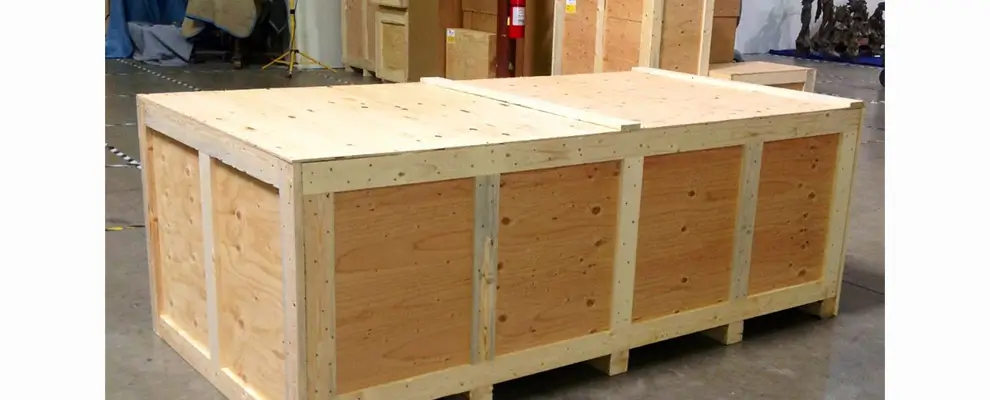
Supporting Water and Wastewater Projects with WESDUN
The June 2026 shipment to Kenya demonstrates WESDUN’s role in supplying industrial measurement equipment for municipal wastewater infrastructure.
For water treatment plants, engineering contractors, and industrial procurement teams, reliable flow measurement is an important part of effective process monitoring. The right electromagnetic flow meter can provide useful flow data while helping keep maintenance requirements manageable.
Every project has different requirements. Pipeline dimensions, wastewater characteristics, installation conditions, and control system needs should all guide the final equipment selection.
WESDUN welcomes inquiries from international buyers, engineering contractors, and distributors seeking electromagnetic flow meters for water supply, wastewater treatment, and other suitable industrial applications.
If you are planning a municipal wastewater project in Kenya or another market, contact WESDUN to discuss your application requirements and find a suitable flow measurement solution.
WESDUN — Supporting Industrial Measurement for Water and Wastewater Applications.