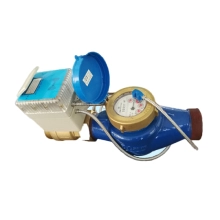
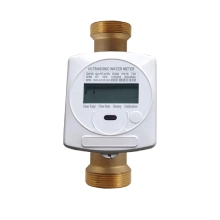
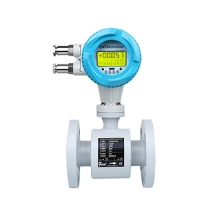
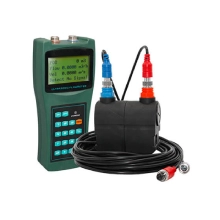
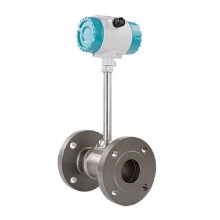
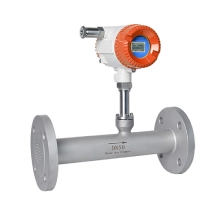
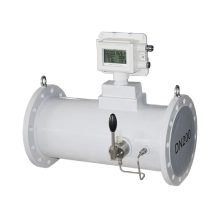

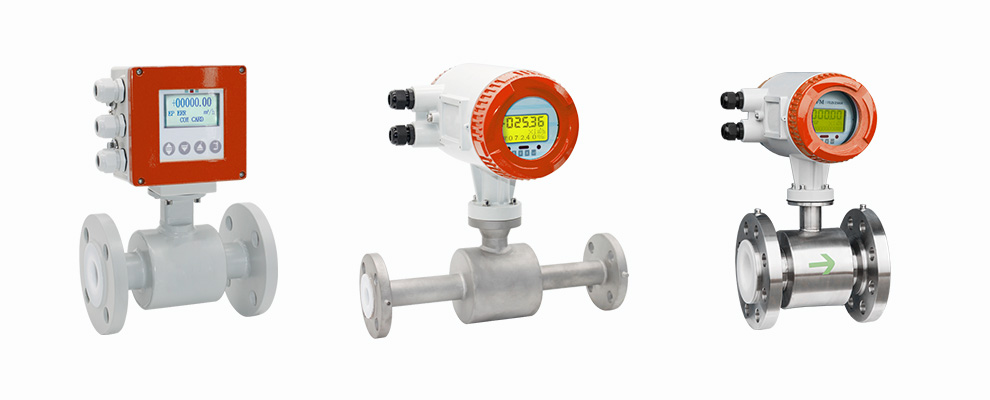
In industrial flow control systems, electromagnetic flow meters (magmeters) are essential precision tools. They accurately measure conductive fluid flow, so they are widely used in many industries, from water treatment plants to food and beverage factories.
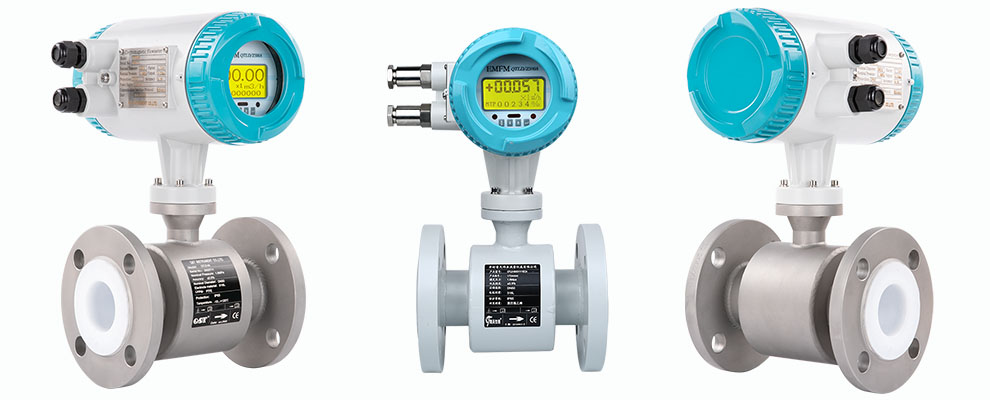
Working principle of electromagnetic flow meters
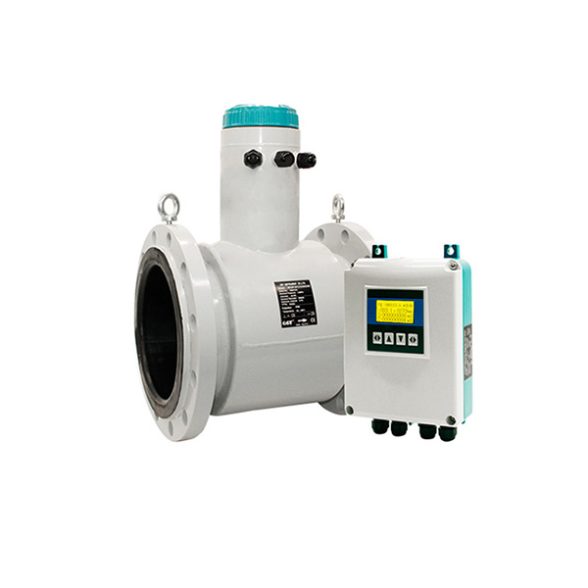
Essentially, electromagnetic flow meters operate on a basic scientific principle: Faraday’s Law of Electromagnetic Induction. Each meter consists of two main components: a sensor (installed inside the pipeline) and a transmitter.
The Role of the Sensor
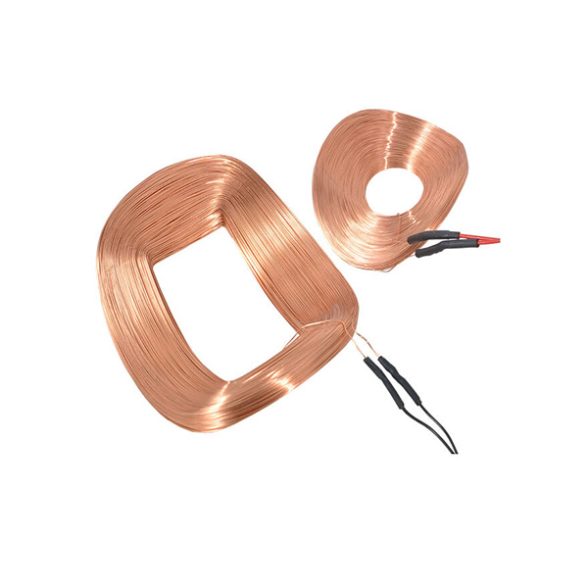
The sensor features a non-magnetic tube with an insulating lining. Manufacturers mount two small electrodes on the inner sides of the tube, and these electrodes touch the flowing fluid directly. Magnetic coils around the tube generate a magnetic field to support measurement.
The Measurement Process
The transmitter supplies power to the coils, which creates a uniform magnetic field across the pipe. This field runs perpendicular to the direction of fluid flow.
When conductive fluid (such as water, chemicals or slurries) flows through the field, its charged particles separate automatically. This separation generates a small voltage between the two electrodes, and faster flow produces a stronger voltage.
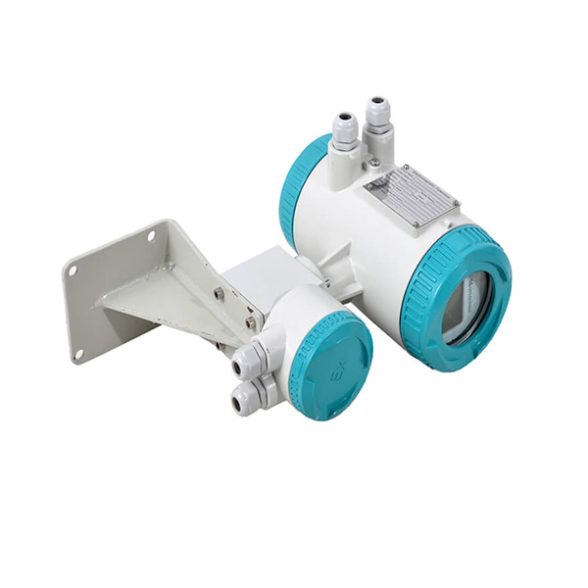
The transmitter detects this voltage first, then converts it into flow velocity, and calculates the total flow rate using the pipe’s internal diameter. Finally, it either displays the data locally or sends it to a central control system.
A Key Accuracy Feature: Zero Stability
Electromagnetic flow meters boast “zero stability”, which means no flow results in no voltage. Technicians remove small interference signals through precise calibration, ensuring the meters maintain high accuracy even in complex industrial environments.
Key Advantages of Electromagnetic Flow Meters
Why do industries prefer these meters for their applications? Below are their main advantages:
1. High Measurement Accuracy
Most meters offer a precision range of ±0.2% to ±1%. This level of accuracy is critical for applications that require strict process control, such as chemical dosing and pharmaceutical production.
2. No Moving Parts
Unlike mechanical meters, these devices have no moving parts that can wear, break or clog. This design reduces maintenance costs—users only need to perform regular calibration and electrode cleaning. It also eliminates pipeline pressure drop, thereby improving overall system efficiency.
3. Wide Fluid Versatility
They can handle a variety of fluids, including sludge, corrosive chemicals, viscous liquids and slurries. The only requirement is that the fluid must have a conductivity of at least 5 µS/cm. For this reason, they suit industries like wastewater treatment, mining and chemical processing.
4. Bidirectional Flow Measurement
They can measure flow in both directions, making them ideal for pipe cleaning (CIP/SIP processes) and systems with variable flow directions. Users do not need any extra equipment for this function.
5. Stability Against Fluid Changes
They remain unaffected by changes in fluid density, viscosity, temperature or pressure. As long as conductivity stays stable, they provide consistent data—making them perfect for dynamic industrial environments where conditions often fluctuate.
Common Types of Electromagnetic Flow Meters
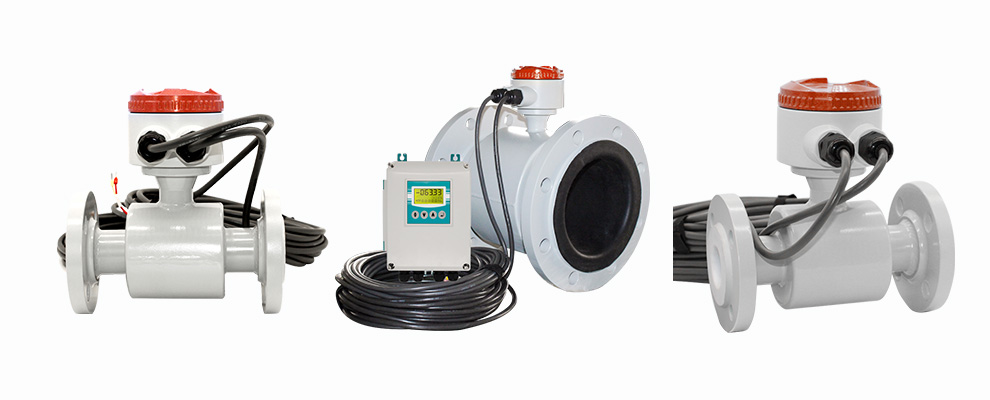
Different applications require different types of meters. Here are four common models, each designed for specific use cases:
1. In-Line Electromagnetic Flow Meters
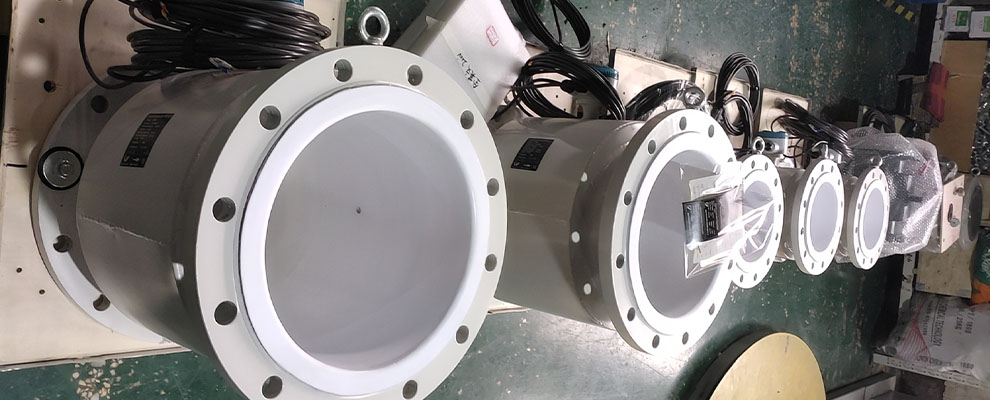
These are the most widely used type. Workers install them directly into pipelines (sizes from DN15 to DN1000+), and they measure full cross-sectional flow to ensure maximum accuracy.
Manufacturers make them from stainless steel with corrosion-resistant liners (such as PTFE or PFA), so they are durable and precise. These features make them ideal for water treatment plants, chemical facilities and pharmaceutical labs.
2. Insertion Electromagnetic Flow Meters
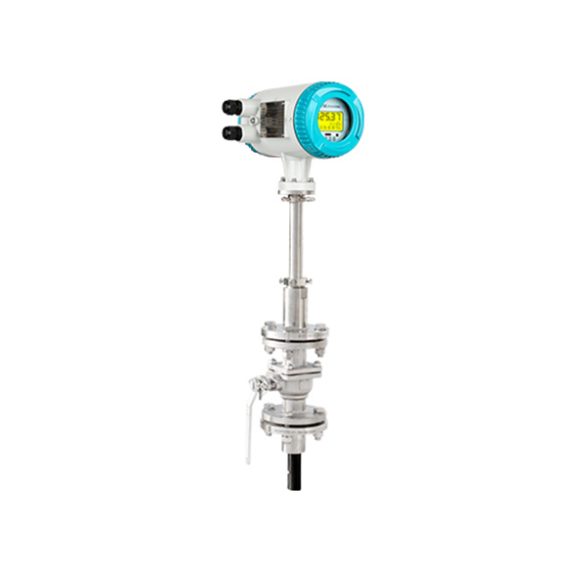
Designed for large pipelines (DN300+), they are cost-effective and easy to install. Technicians insert a small probe through a pre-drilled hole to measure velocity and calculate total flow.
Their accuracy (±1% to ±2%) is slightly lower than in-line models, but users do not need to shut down pipelines during installation. Retractable probes allow maintenance without stopping flow, so they are suitable for municipal water mains and cooling systems.
3. Battery-Powered Electromagnetic Flow Meters
These models cater to remote or off-grid applications, such as remote irrigation and field water monitoring. They use long-life lithium-ion batteries (3–5 years) and low-power technology to ensure continuous operation.
Many of these meters have data logging functions, and some even transmit data wirelessly. Users can install them as in-line or insertion probes, and farmers often use them to track water use and optimize irrigation efficiency.
4. Sanitary Electromagnetic Flow Meters
These meters are designed for the food, beverage and pharmaceutical industries, where hygiene is critical. They have smooth, crevice-free surfaces to prevent contamination.
Manufacturers use food-grade materials (316L stainless steel and PTFE liners) to make them, so they meet global standards like 3A, EHEDG and FDA. They support CIP and SIP cleaning without disassembly, ensuring safe measurement of sensitive fluids.
Key Industrial Applications
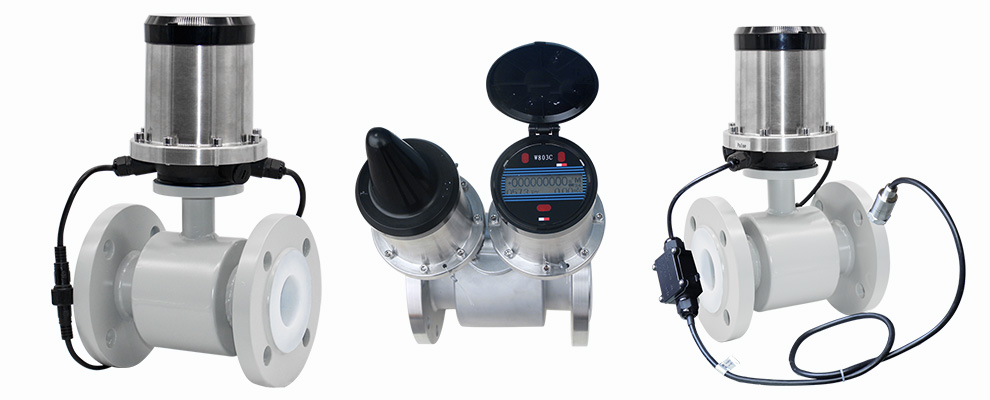
Electromagnetic flow meters are versatile and used in many industries. Here are their key applications:
1. Water & Wastewater Treatment
They play a vital role in water treatment plants, as they track raw water intake, monitor chemical dosing and measure effluent discharge. They can handle sludge and corrosive fluids without clogging, helping facilities comply with environmental rules and control costs.
2. Chemical & Petrochemical Industries
They measure harsh and corrosive fluids like acids, alkalis and slurries. Their corrosion-resistant construction ensures durability. Manufacturers also offer explosion-proof models for hazardous areas, which help ensure process safety and product consistency.
3. Food & Beverage Industry
Sanitary meters ensure precise ingredient dosing in food and beverage production. In bottling plants, they control filling volumes, reducing waste and ensuring consistent package sizes. Their design meets strict hygiene standards, guaranteeing product safety for consumers.
4. Pharmaceutical & Agricultural Sectors
In the pharmaceutical industry, they measure purified water, solvents and APIs with high accuracy, helping manufacturers comply with GMP standards. In agriculture, farmers use battery-powered models to track irrigation water and fertilizer flow, conserving resources and improving crop yields.
Critical Tips for Effective Use
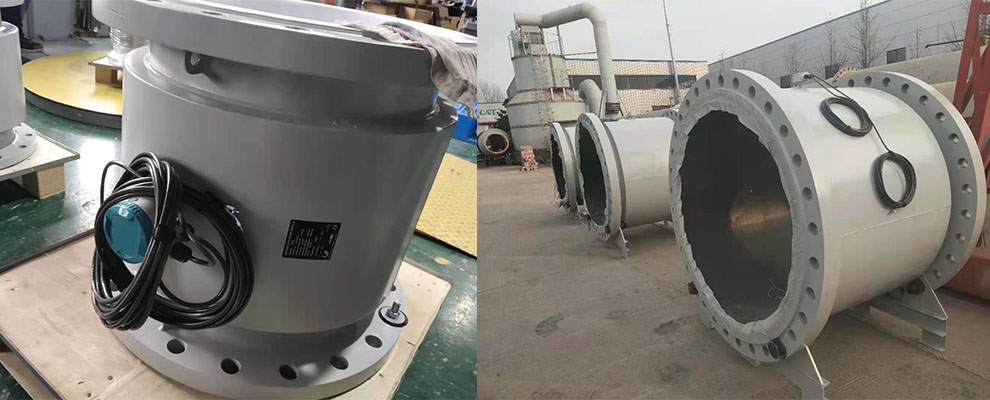
To maximize the meters’ performance and lifespan, users should follow these best practices:
1. Verify Fluid Conductivity
These meters require conductive fluids (minimum 5 µS/cm). They cannot detect non-conductive fluids like oils and gases. Users should test conductivity before installation and avoid operating the meters near the conductivity threshold.
2. Minimize Signal Interference
Air bubbles, gases or magnetic particles can cause signal noise. Users should install bubble separators if needed and use shielded meters for magnetic fluids. For slurry applications, maintain flow velocity between 1–3 ft/sec to prevent particle settling and liner wear.
3. Ensure Proper Installation
Install meters away from motors and transformers to avoid magnetic interference. Ensure there is 5x the pipe diameter of straight run upstream and 3x downstream. Users should also match the meter size to the pipeline and flow range for better accuracy.
4. Select the Right Model & Maintain Regularly
Choose meters with heat-resistant liners for high-temperature fluids and pressure-rated parts for high-pressure systems. Regularly calibrate the meters, clean electrodes and inspect wiring to ensure reliable long-term performance.
Choose WESDUN, a professional manufacturer of valves and flow meters, and we will provide you with safe and accurate electromagnetic flow meters.