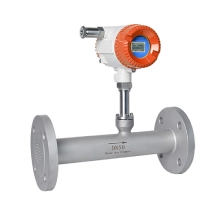
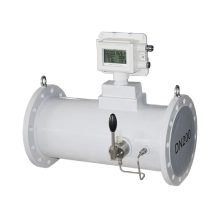

Looking for a low-maintenance, reliable way to measure liquid and gas flow in industrial and plumbing pipelines? Ultrasonic flow meters are one of the best solutions available today. Unlike traditional mechanical flow meters, they have no moving parts, deliver zero pressure drop, and install without cutting pipes or shutting down the system.
That said, the wide variety of types, accuracy ratings, and mounting styles makes it easy to choose the wrong unit. A mismatched flow meter leads to inconsistent readings, frequent signal errors, and unnecessary operational costs.
In this beginner-friendly guide, we break down everything you need to know in plain English. You’ll learn exactly how to select the ideal ultrasonic flow meter for your industrial, commercial, or plumbing setup.
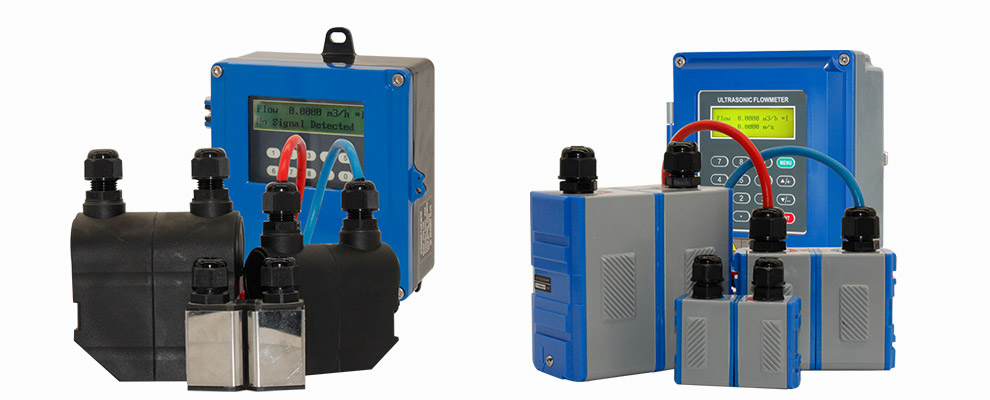
1. How Ultrasonic Flow Meters Work (Simplified)
You don’t need advanced engineering knowledge to understand how these devices work. Ultrasonic flow meters use high-frequency sound waves to track fluid movement inside closed pipes.
All standard ultrasonic flow meters fall into two core operating types:
- Transit Time Type: This design uses two sensors that send sound signals back and forth. It calculates flow velocity by measuring the tiny time difference between signals traveling with and against the fluid flow. It works best with clean liquids, including treated water, purified oil, and clear industrial process fluids with minimal particles.
- Doppler Type: This model bounces sound waves off suspended particles, sediment, or air bubbles inside the fluid. It’s the ideal choice for turbid, contaminated liquids such as sewage, wastewater, and slurry-laden water.
This is your most critical selection rule: use transit time meters for clean fluids, and Doppler meters for dirty, particle-rich fluids.
2. Start With Your Fluid Medium
Your fluid type is the foundation of accurate, stable flow measurement. Before you compare any meter models, confirm exactly what medium you need to monitor.
- Clean liquids (tap water, purified water, fuel oil, edible oil): Choose a standard transit time ultrasonic meter for consistent, high-precision results.
- Dirty or turbid liquids (sewage, industrial wastewater, sediment-heavy water): Go with a Doppler ultrasonic meter. Clean-fluid models lose signal contact and fail to deliver reliable data in these conditions.
- Gases (natural gas, compressed air): Select a dedicated gas ultrasonic flow meter. Liquid-designed meters cannot accurately measure gas flow.
A common mistake new buyers make is choosing generic “one-size-fits-all” meters. No single ultrasonic flow meter works for every medium, and incorrect fluid matching causes nearly all measurement inaccuracies.
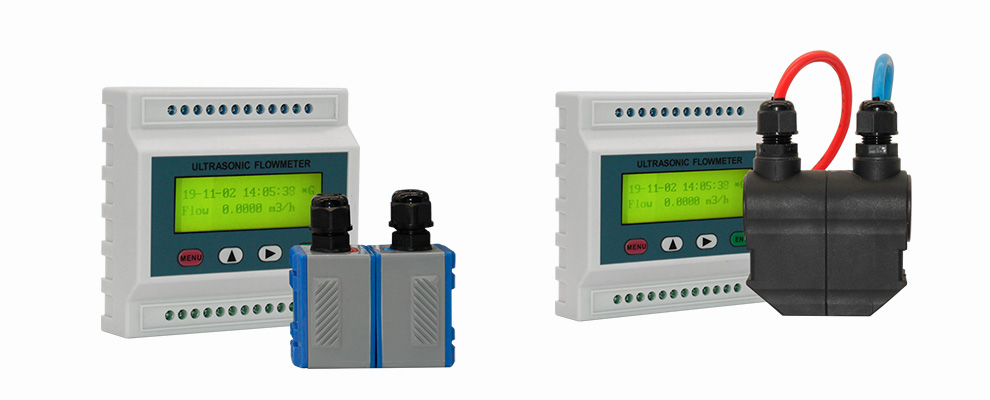
3. Pick the Right Mounting Style for Your Site
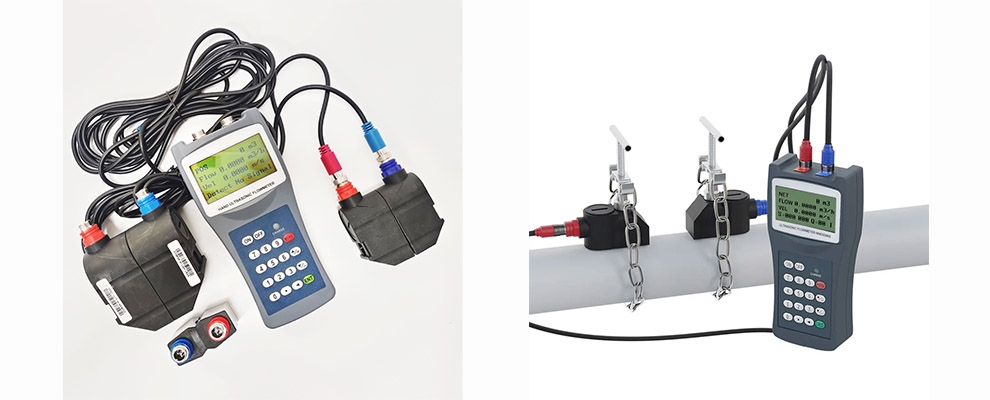
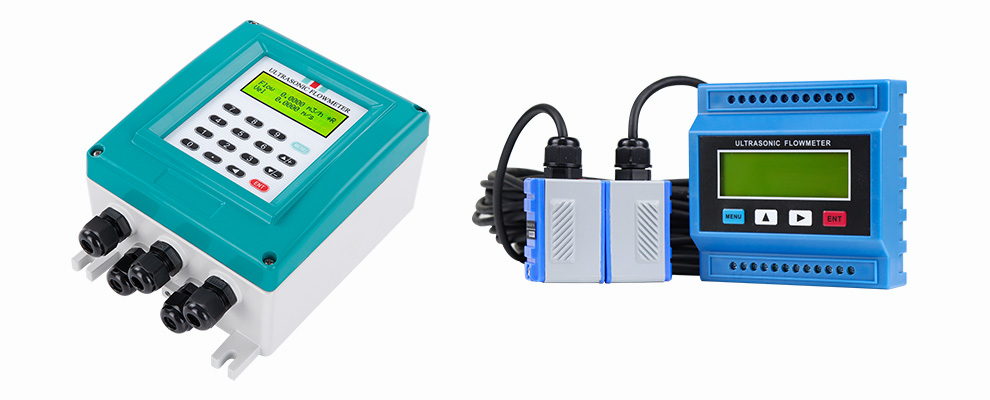
Ultrasonic flow meters come in three distinct installation styles, each built for specific site conditions and project needs. Choose based on your existing pipeline setup and operational constraints.
Clamp-On Ultrasonic Flow Meter (Most Popular)
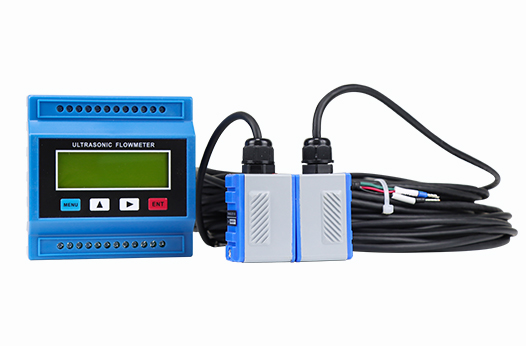
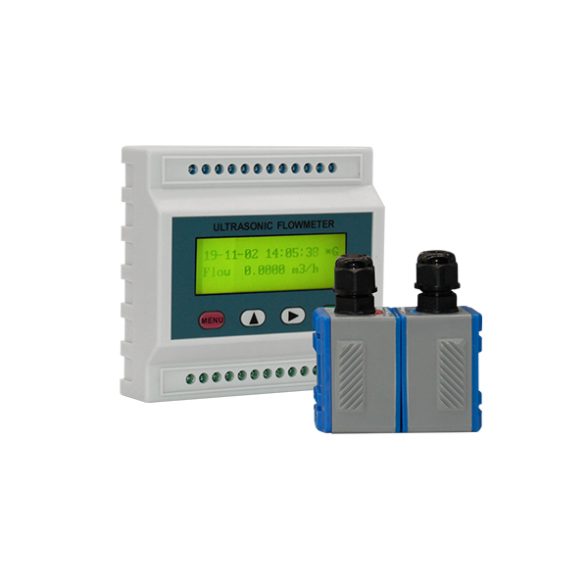
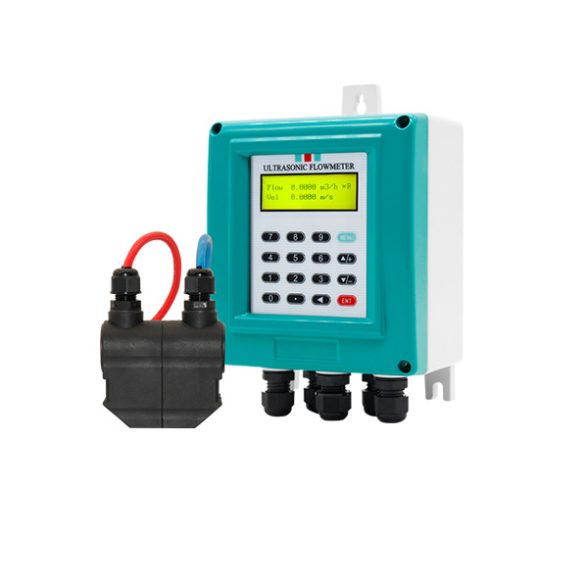
Clamp-on sensors mount externally on your pipe wall. You don’t need to cut pipes, drain fluid, or stop production for installation. This style leaves your pipeline fully intact, creates no pressure loss, and offers the fastest setup. It’s perfect for retrofitting old equipment, finished pipelines, and sites with zero-downtime requirements.
Inline Ultrasonic Flow Meter
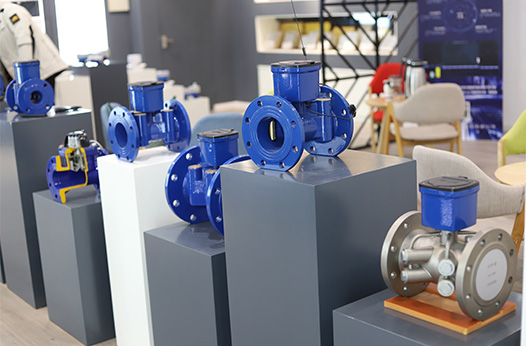
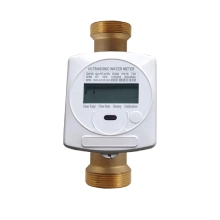
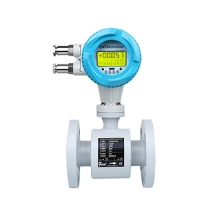
Inline meters install directly into your pipeline as a permanent fixture. They deliver superior accuracy and long-term stability compared to clamp-on models. This style suits fixed continuous monitoring, precise process metering, and commercial billing applications. Most industrial production and municipal water metering projects use inline ultrasonic meters.
Handheld Ultrasonic Flow Meter
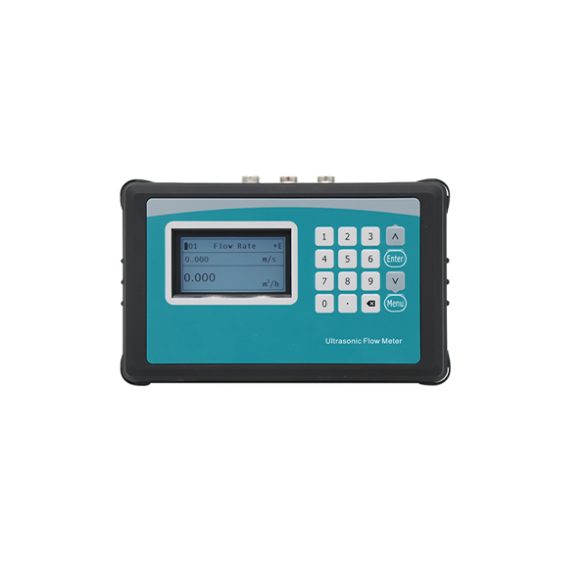
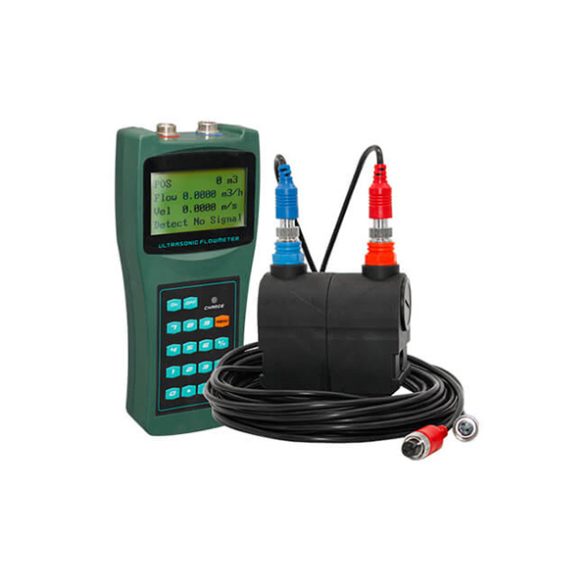
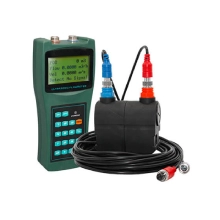
Handheld units are fully portable and lightweight. You can move them between different pipe locations to take on-site readings anytime. They work great for equipment commissioning, routine maintenance checks, temporary flow testing, and project acceptance inspections, making them a favorite for field engineering teams.
4. Match Meter Specs to Your Pipe and Site Conditions
Even a correctly typed meter will fail if it doesn’t match your pipeline parameters. Pipe size, material, and operating conditions all impact signal quality and measurement accuracy. Always verify these three key factors before purchasing.
Pipe Size
Every ultrasonic meter model supports a specific pipe diameter range, from small DN15 tubing to large industrial DN6000 pipelines. Using a meter outside its rated diameter range results in unstable, inaccurate readings.
Pipe Material
Ultrasonic sound waves penetrate most common pipe materials, including carbon steel, stainless steel, copper, PVC, and plastic. Take extra caution with lined pipes and cast iron pipes with thick oxide buildup. These materials dampen ultrasonic signals and require custom parameter tuning for reliable performance.
Temperature & Pressure Ratings
Standard ultrasonic meters work for ambient temperature and normal-pressure environments. If your system handles high-temperature steam or high-pressure industrial flow, opt for specialized high-temperature and high-pressure resistant models. This prevents equipment damage and long-term data drift.
5. Choose Accuracy Based On Your Application
Different use cases require different accuracy levels. You don’t need overpriced ultra-high-precision meters for basic monitoring — over-specifying only raises costs with no practical benefit.
- General process monitoring (daily flow tracking, production observation): ±1.0% accuracy is more than sufficient and delivers the best cost-to-performance ratio.
- Precision metering and commercial billing (water utilities, chemical processing, food and beverage production): Use high-precision meters with ±0.5% accuracy. This ensures fair, compliant measurements for commercial transactions and industrial regulations.
- Laboratory and high-precision industrial processing: Deploy multi-channel ultrasonic flow meters. They eliminate flow turbulence interference and maintain ultra-stable, consistent data output.
6. Verify Output and Smart Function Requirements
Modern industrial systems rely on digital data integration. Make sure your meter’s output functions match your on-site control and monitoring setup.
- Basic ultrasonic meters offer local on-screen readouts and cumulative flow logging for on-site checking.
- Smart upgraded models feature RS485, 4-20mA analog output, GPRS wireless transmission, and MODBUS protocol support. These enable seamless remote data access and direct integration with industrial control systems.
Keep sensor-to-host cable distance in mind too. For monitoring distances over 200 meters, choose wireless transmission modules or long-distance communication upgrades to avoid signal loss.
7. Key Benefits of Ultrasonic Flow Meters (vs. Traditional Meters)
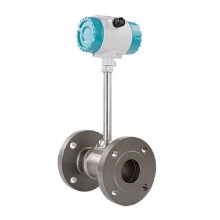
Ultrasonic flow meters outperform turbine, electromagnetic, and vortex meters in many real-world scenarios. Their core advantages make them a top choice for modern industrial and commercial systems:
- No moving parts: Zero mechanical wear eliminates routine part replacement, drastically cutting long-term maintenance costs and extending service life.
- No pipe modification needed: Clamp-on models install externally, so you avoid pipe cutting, system downtime, and installation-related leaks.
- Zero pressure drop: They don’t obstruct fluid flow, preserving system pressure and reducing overall energy consumption.
- Broad compatibility: They support most liquid and gas media and adapt to nearly all standard pipe sizes for versatile applications.
Quick 5-Point Selection Checklist
Use this fast checklist to confirm your ideal meter and avoid costly selection errors:
- Confirm your fluid type: clean liquid (transit time) / dirty liquid (Doppler) / gas (specialized gas model)
- Select mounting type: clamp-on (no downtime) / inline (high precision) / handheld (portable testing)
- Validate pipe diameter, pipe material, and site temperature/pressure conditions
- Match meter accuracy grade to your monitoring or billing requirements
- Confirm signal output and remote communication features for system integration
Final Thoughts
Ultrasonic flow meters provide a cost-effective, flexible, and low-maintenance flow measurement solution for nearly all industrial and commercial piping systems. The best meter isn’t the most advanced or expensive option — it’s the model that perfectly aligns with your unique fluid, piping, and operational requirements.
If you’re unsure which ultrasonic flow meter fits your application or need custom recommendations for special working conditions, reach out to our technical team for personalized guidance and professional parameter matching.