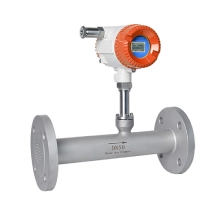
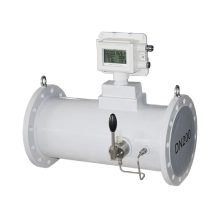

Flow meters are the backbone of chemical production, as they monitor and regulate fluid movement across all manufacturing stages. Choosing the right flow meter directly impacts a plant’s efficiency, safety, and profitability. This guide gives industry professionals practical insights to help pick a flow meter that fits their process needs, helping to avoid costly operational errors.
Flow Meters: Core Functions in Chemical Production
In chemical production, a flow meter is more than just a measuring device—it’s a cornerstone of process control and operational oversight.
Every chemical process relies on precise flow measurement, and a reliable flow meter ensures fluids move at the exact rate needed for optimal reactions.
Flow meters oversee the transfer of raw materials, such as acids, solvents, and viscous chemicals. They ensure accurate dosing to minimize waste and maintain proper reaction ratios.
In both batch and continuous production lines, a flow meter tracks real-time flow rates. This allows operators to adjust processes immediately, preventing off-spec products.
A flow meter also supports leak detection. Minor leaks of hazardous fluids can lead to contamination and financial losses, so its ability to spot abnormal flow patterns is invaluable.
Additionally, a flow meter helps meet regulatory compliance by providing accurate data for reporting. For custody transfer, a calibrated flow meter ensures fair billing between parties. Without the right flow meter, plants struggle to maintain quality, safety, and cost-effectiveness.
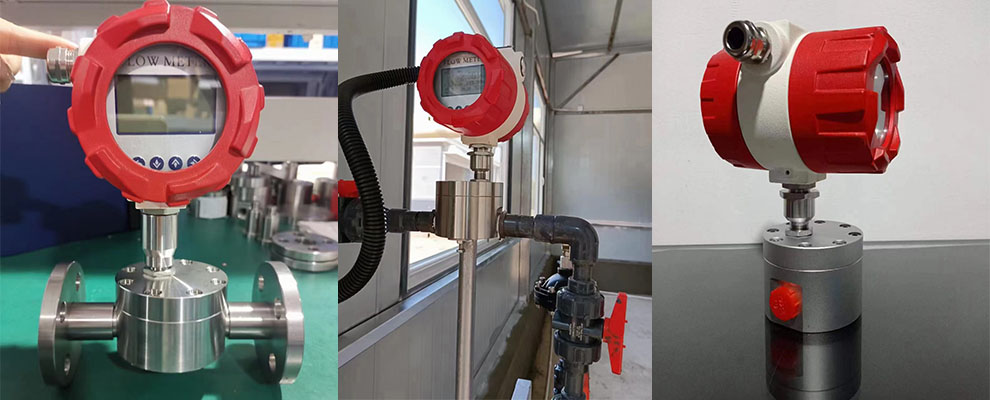
Why Flow Meter Selection Is Critical in Chemical Industrial Processes
Selecting the right flow meter can make or break a chemical plant’s operations. Chemical production involves extreme conditions—corrosive fluids, high pressure, high temperatures, and hazardous materials—so a properly matched flow meter is essential for success.
An ill-suited flow meter leads to inaccurate measurements, which disrupt reaction ratios and result in costly batch rejections. For instance, using a turbine flow meter for particle-laden slurries causes rapid wear, leading to inconsistent readings and unplanned downtime.
Safety also depends on choosing the right flow meter. Incorrect measurements of flammable or toxic chemicals can trigger explosions or spills. A flow meter not rated for the plant’s conditions may fail catastrophically, endangering workers.
Poor flow meter selection also creates cost inefficiencies. Cheap, ill-fitting models require frequent maintenance and replacement. Inaccurate data wastes raw materials, and downtime halts production—cutting into revenue.
Regulatory compliance further relies on a proper flow meter. Unreliable data can lead to fines, audits, or even plant shutdowns, making flow meter selection a non-negotiable decision.
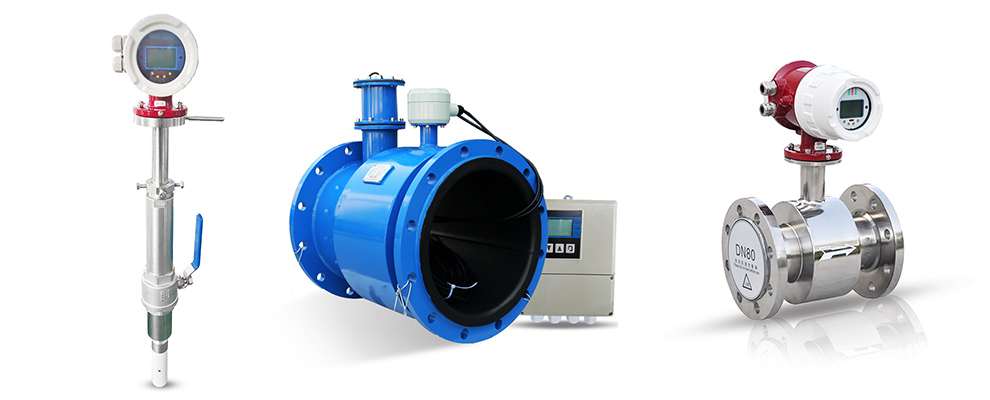
Key Factors to Consider Before Choosing a Flow Meter
Selecting the right flow meter requires evaluating process-specific factors. Overlooking even one factor can lead to underperformance or failure.
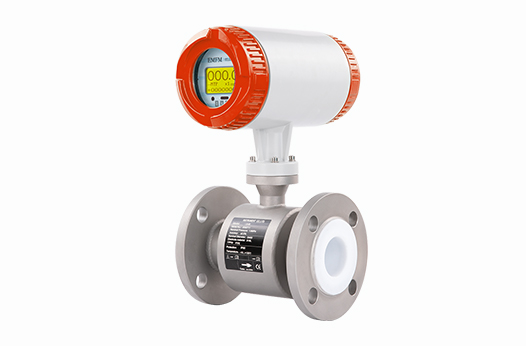
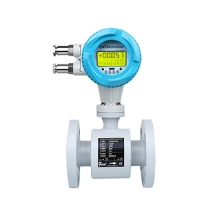
First, analyze fluid properties. Conductive fluids (e.g., water-based chemicals) work well with magnetic flow meters. For non-conductive, high-viscosity fluids like oils, Coriolis flow meters are the better choice.
Corrosive fluids require a flow meter with resistant linings and electrodes. Particle-laden slurries perform best with non-intrusive Doppler ultrasonic flow meters. For air-entrained fluids, differential pressure flow meters are more reliable.
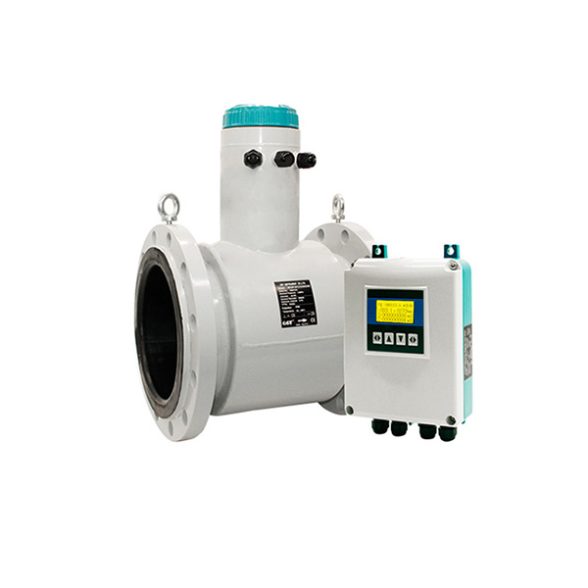
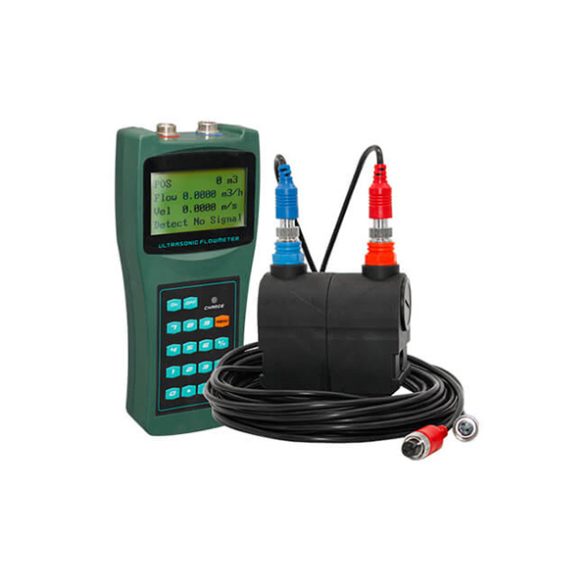
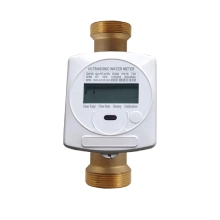
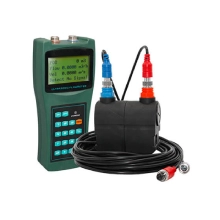
Next, assess operating conditions. The flow meter must handle the plant’s temperature, pressure, and pipe size. Large pipelines often use clamp-on ultrasonic or magnetic flow meters, while small dosing pipes require turbine or micro Coriolis flow meters.
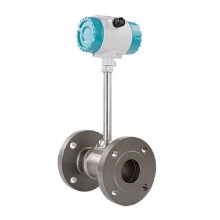
Flow range and turndown ratio (maximum to minimum measurable flow) also matter. High turndown flow meters are ideal for variable flow processes, such as batch production. High-precision applications (e.g., pharmaceutical manufacturing) require a flow meter with ±0.5% accuracy or better.
Consider installation and maintenance needs too. Clamp-on flow meters fit well in tight spaces. Sanitary processes require easy-to-clean flow meters, while models with no moving parts (e.g., magnetic, ultrasonic) require minimal upkeep.
Finally, ensure the flow meter integrates with your plant’s SCADA or PLC systems. Wireless flow meters are a good fit for remote monitoring.
Common Mistakes in Flow Meter Selection
Even experienced professionals make mistakes when selecting a flow meter, which can lead to safety risks, additional costs, and operational disruptions.
Ignoring fluid properties is a critical error. Magnetic flow meters fail to work with non-conductive fluids, while turbine flow meters wear out quickly with high-viscosity materials.
Underestimating operating conditions is another common issue. A flow meter rated only for average conditions may warp or rupture under extreme temperatures or pressure.
Focusing solely on upfront cost is also costly. Cheap flow meters often have higher long-term costs, while models with no moving parts offer a lower total cost of ownership (TCO).
Overlooking installation and maintenance needs can be problematic. Inline flow meters may require expensive pipe modifications, and complex models in remote areas lead to delayed upkeep.
Pursuing unnecessary accuracy wastes resources. Additionally, uncertified flow meters can result in regulatory fines or shutdowns.
Professional Tips for Purchasing Flow Meters
These tips help industry professionals select a reliable, cost-effective flow meter for chemical production.
Start by auditing fluid properties and process conditions. This step narrows down the most suitable flow meter options.
Match the flow meter type to your application: magnetic flow meters for conductive or corrosive liquids, Coriolis flow meters for high-viscosity fluids, and clamp-on ultrasonic flow meters for large pipelines.
Prioritize chemical-resistant wetted parts for your flow meter. Always confirm material compatibility with the manufacturer.
Evaluate TCO over upfront price. Flow meters with no moving parts are often smarter long-term investments for chemical plants.
Choose a flow meter that works with your plant’s automation systems. Wireless models are ideal for remote monitoring.
For complex applications, consult industry experts. Prioritize manufacturers that offer strong after-sales support for your flow meter.
Conclusion
Choosing the right flow meter requires matching the technology to the application, the fluid, and the infrastructure. By understanding your process and the advantages of various flow meters, you can choose one that reduces your total cost of ownership while ensuring reliable performance.
Please contact WESDUN for professional advice and a free quote to help you select the flow meter that best suits your needs.