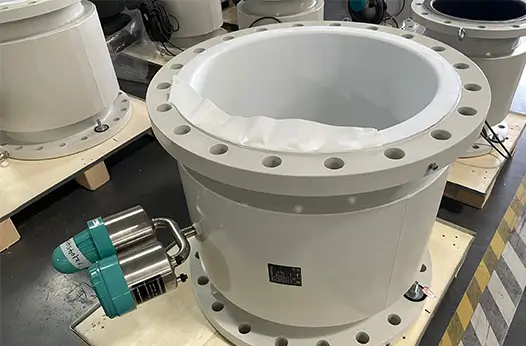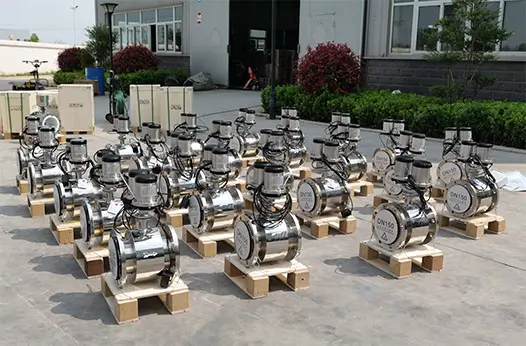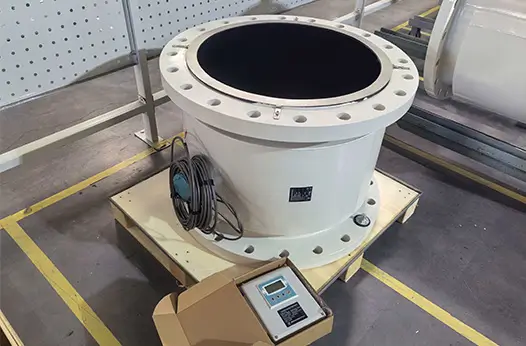
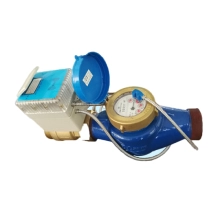
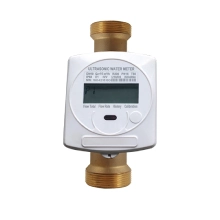
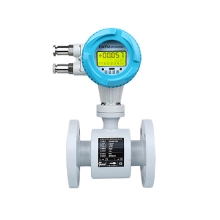
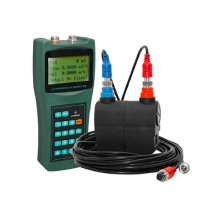
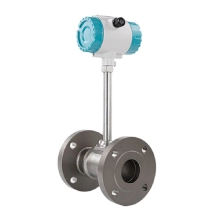
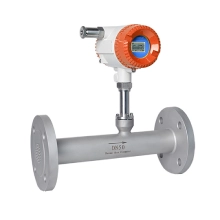
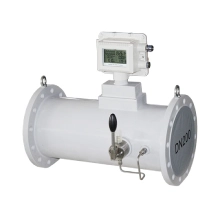

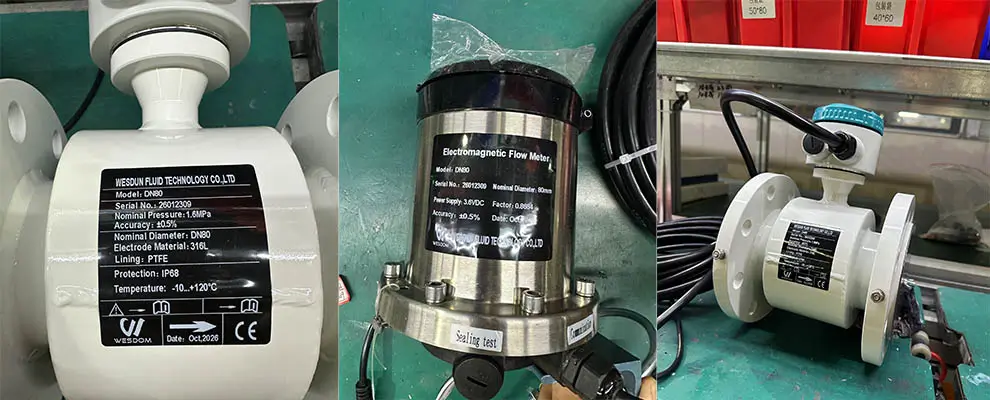
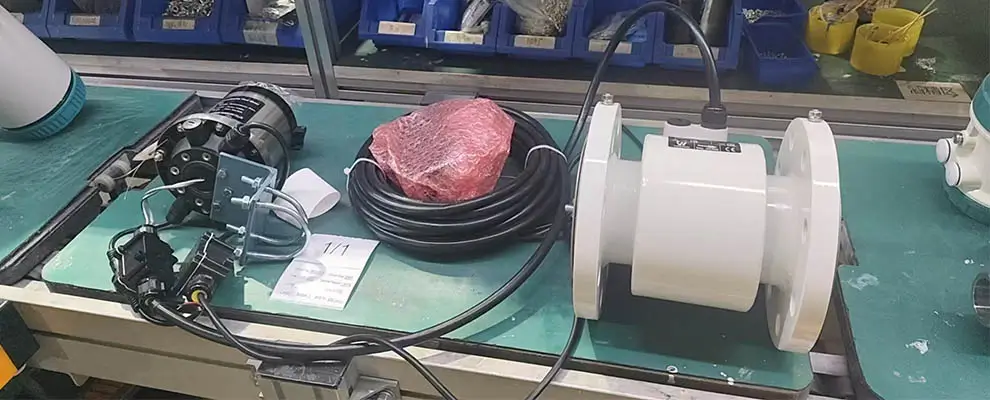
In October 2026, WESDUN exported a batch of magnetic flow meters to Uganda. This shipment marked another step in our efforts to provide international customers with reliable flow measurement solutions.
Accurate flow measurement plays an important role in water supply systems, industrial processes, and other fluid-handling applications. It helps operators monitor system performance, manage water resources, and improve operational efficiency.
This case highlights the importance of selecting the right magnetic flow meter for demanding measurement environments and explains how WESDUN supports customers with practical instrumentation solutions.
1. Project Background: Magnetic Flow Meters for the Ugandan Market
Uganda continues to develop its water infrastructure, industrial facilities, and municipal services. These developments create a need for reliable flow measurement equipment.
In October 2026, WESDUN shipped a batch of magnetic flow meters to a customer in Uganda.
Our team focused on supplying products that matched the customer’s application requirements and supported reliable operation.
Although every project has its own technical requirements, selecting a suitable magnetic flow meter generally involves several important factors:
- The type of fluid and its electrical conductivity
- The required flow measurement range and accuracy
- The pipeline diameter and installation conditions
- The operating pressure and temperature
- The output signal and control system requirements
These factors help customers select a magnetic flow meter that meets their actual operating conditions.
2. Why Choose a Magnetic Flow Meter?
A magnetic flow meter, also known as an electromagnetic flow meter, measures the flow rate of conductive liquids using Faraday’s law of electromagnetic induction.
When a conductive liquid flows through a magnetic field, it generates a voltage proportional to its flow velocity. The meter measures this voltage and converts it into a flow rate.
This measurement principle offers several advantages for suitable applications.
No Moving Parts in the Measuring Tube
A magnetic flow meter has no moving parts inside its measuring tube. This design reduces mechanical wear and helps maintain stable measurement performance.
It also makes the instrument suitable for many continuous-flow applications that require reliable readings over extended operating periods.
Minimal Pressure Loss
The measuring tube has no internal obstruction, so the instrument creates very little additional pressure loss.
This feature benefits pipeline systems that require efficient fluid transportation.
Suitable for Conductive Liquids
Magnetic flow meters work well with conductive liquids such as water, wastewater, and many industrial process fluids.
However, they cannot measure ordinary non-conductive liquids, such as most hydrocarbons. Customers should confirm the fluid’s conductivity before selecting the instrument.
3. Key Considerations When Selecting a Magnetic Flow Meter
For the Ugandan shipment, the key consideration was matching the flow measurement equipment to the customer’s application.
When selecting a magnetic flow meter, customers should pay particular attention to the following technical details.
Fluid compatibility: The fluid must have sufficient electrical conductivity. The electrode and liner materials should also suit the fluid’s chemical properties.
Flow range: The expected minimum, normal, and maximum flow rates help determine the appropriate meter size. Selecting a meter based only on pipeline diameter may lead to poor measurement performance.
Installation conditions: The meter should be installed in a suitable location, with a properly filled measuring tube. The pipeline layout and grounding arrangement can also affect measurement stability.
Signal and communication: The output signal should match the customer’s monitoring or control system. Depending on the model, a magnetic flow meter may support different output and communication options.
By reviewing these factors before shipment, suppliers and customers can reduce installation problems and improve the reliability of the measurement system.
4. WESDUN’s Commitment to Reliable Flow Measurement Solutions
At WESDUN, we understand that industrial instrumentation involves more than simply supplying a product.
Customers need equipment that matches their operating conditions, clear technical communication, and dependable support throughout the purchasing process.
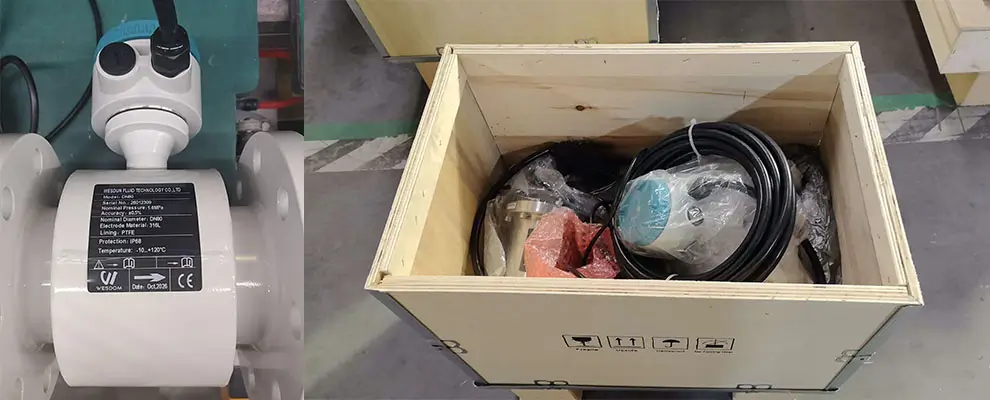
For our October 2026 shipment to Uganda, WESDUN supplied a batch of magnetic flow meters to meet the customer’s flow measurement requirements.
We continue to focus on product quality, technical communication, and practical solutions for customers in different markets.
Our team works with customers to understand their application requirements and identify suitable instrumentation options.
5. Supporting Water and Industrial Projects in Uganda
Reliable flow measurement plays an important role in water distribution, wastewater treatment, and industrial process control.
A properly selected magnetic flow meter helps operators monitor fluid movement, identify changes in flow, and maintain better control over their systems.
For projects in Uganda and other international markets, WESDUN aims to provide practical flow measurement solutions that meet customer requirements.
We welcome inquiries from distributors, engineering contractors, and industrial buyers who need magnetic flow meters for water supply, wastewater treatment, or other suitable applications.
Conclusion
WESDUN’s October 2026 magnetic flow meter shipment to Uganda reflects our continued commitment to serving international customers with reliable flow measurement equipment.
Choosing the right instrument starts with understanding the fluid, flow range, pipeline conditions, and measurement requirements.
With careful product selection and clear technical communication, customers can build more reliable flow measurement systems for their projects.
Looking for a magnetic flow meter for your project in Uganda or another market? Contact WESDUN to discuss your application requirements and find a suitable flow measurement solution.