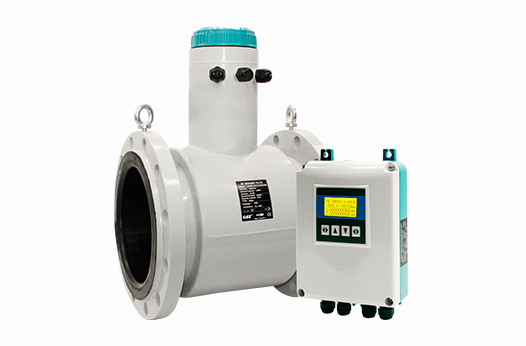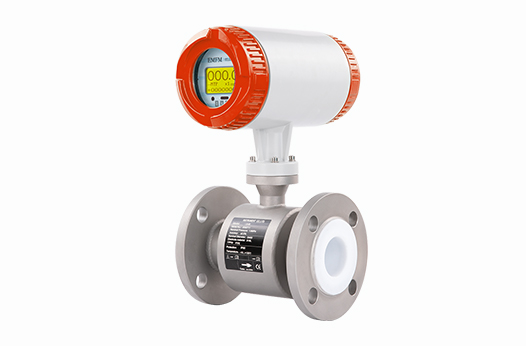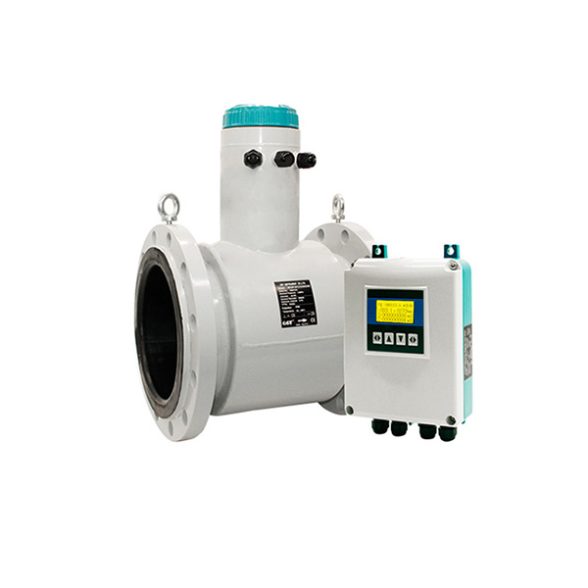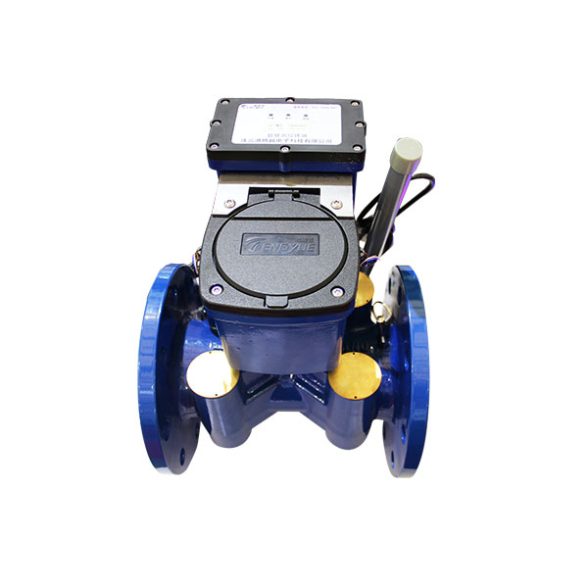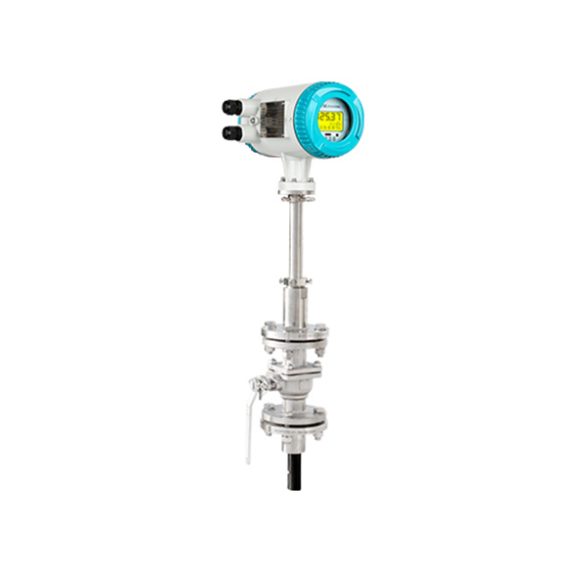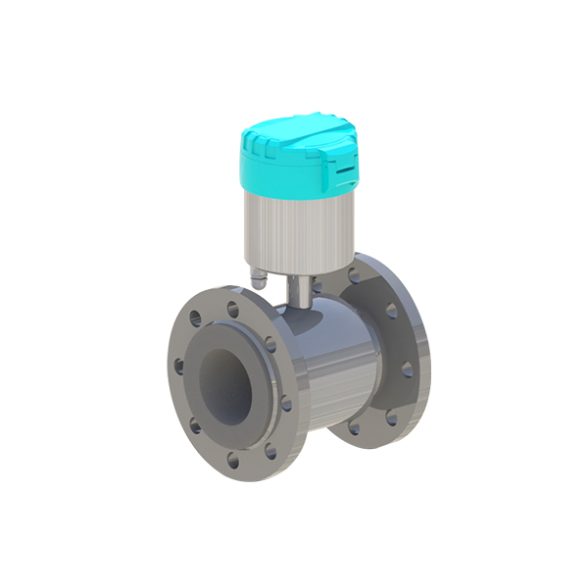
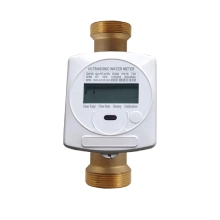
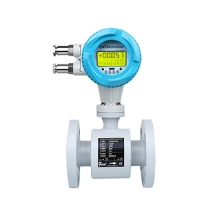
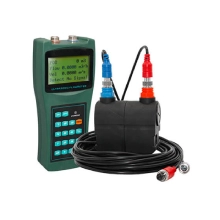
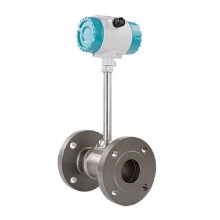
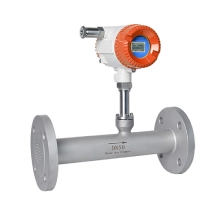
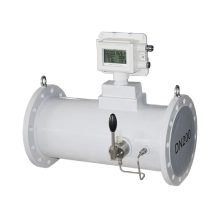

Electromagnetic Flow meters are critical precision instruments for measuring conductive liquids in water treatment, chemical processing, manufacturing, and food & beverage industries. To ensure their long-term accuracy, reduce operational costs, avoid unplanned downtime, and maximize service life, proactive, consistent maintenance of electromagnetic flow meters is essential. This guide covers core maintenance principles, type-specific care, step-by-step workflows, and solutions for common issues—all tailored to keep electromagnetic flow meter reliable.
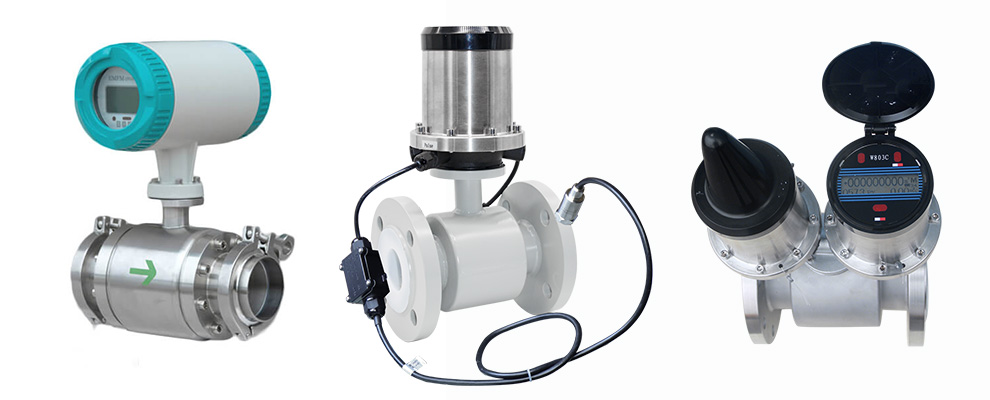
Why Electromagnetic Flow meter Maintenance Is Critical
Electromagnetic Flow meters operate in harsh industrial environments daily, exposed to corrosive fluids, high pressure, extreme temperatures, suspended solids, and pipeline vibration. Over time, these conditions wear down components, distort signals, and reduce accuracy—problems that worsen without regular maintenance.
First, maintenance preserves the accuracy of electromagnetic flow meters. Even a 1%–2% reading drift can disrupt process control, material batching, cost accounting, and regulatory compliance. For high-stakes applications like custody transfer or wastewater discharge, inaccurate electromagnetic flow meter data leads to financial losses and legal penalties. Routine upkeep stops small drifts from becoming critical failures.
Second, maintenance prevents costly unplanned downtime. Common issues—electrode buildup, liner damage, poor grounding, or loose wiring—can disable electromagnetic flow meters unexpectedly. Replacing a damaged electromagnetic flow meter costs 5–10 times more than basic cleaning and calibration, while production halts waste labor and delay orders.
Third, consistent maintenance extends the lifespan of electromagnetic flow meters. A well-maintained electromagnetic flow meter can operate reliably for 10–15 years—nearly double the life of a neglected unit. For facilities with multiple electromagnetic flow meters, this longevity delivers significant long-term savings on replacements and repairs.
Finally, maintenance ensures workplace safety. Leaks from cracked liners or damaged seals can release hazardous chemicals, endangering workers and the environment. Regular inspections catch these risks early, keeping operations compliant with safety standards. In short, maintaining electromagnetic flow meter is a strategic investment in efficiency, safety, and profitability.
Types of Electromagnetic Flow meter and Their Maintenance Needs
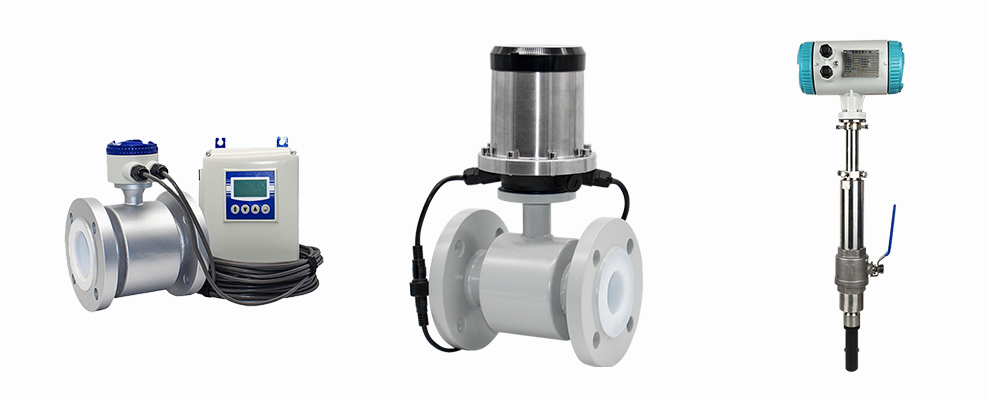
Electromagnetic flow meter vary in design and application, so their maintenance requirements differ. Understanding these differences ensures targeted, effective care for your electromagnetic flow meters.
The most widely used type is the in-line electromagnetic flow meter, the standard for full-pipe conductive liquid measurement. It features a fully enclosed liner and fixed electrodes, making it ideal for clean water, sewage, and neutral chemical solutions. Maintenance focuses on three key areas: checking liner integrity, cleaning electrodes, and verifying grounding—tasks applicable to most electromagnetic flow meters.
The second common type is the insertion electromagnetic flow meter, designed for large-diameter pipelines and tight spaces. Its protruding probe contacts fluid directly, so it accumulates sediment and fouling faster than in-line models. Maintenance for this electromagnetic flow meter requires more frequent probe cleaning, alignment checks, and seal inspections to avoid errors.
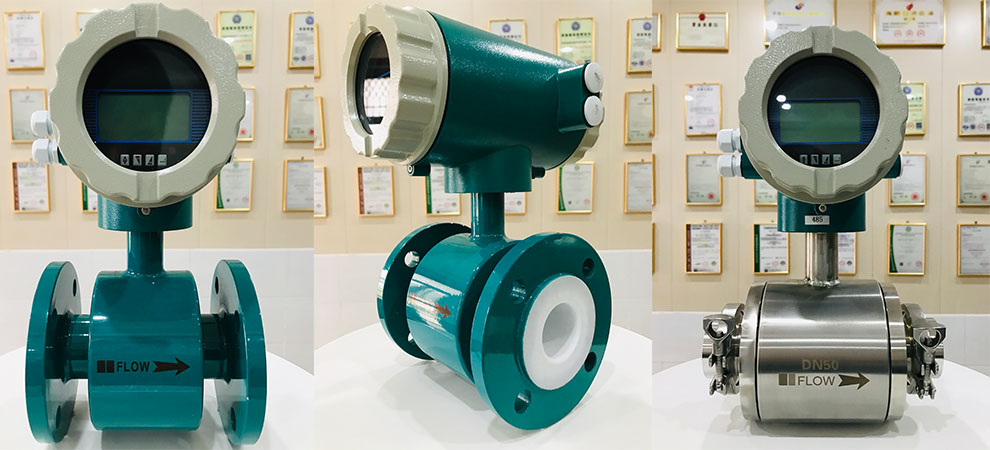
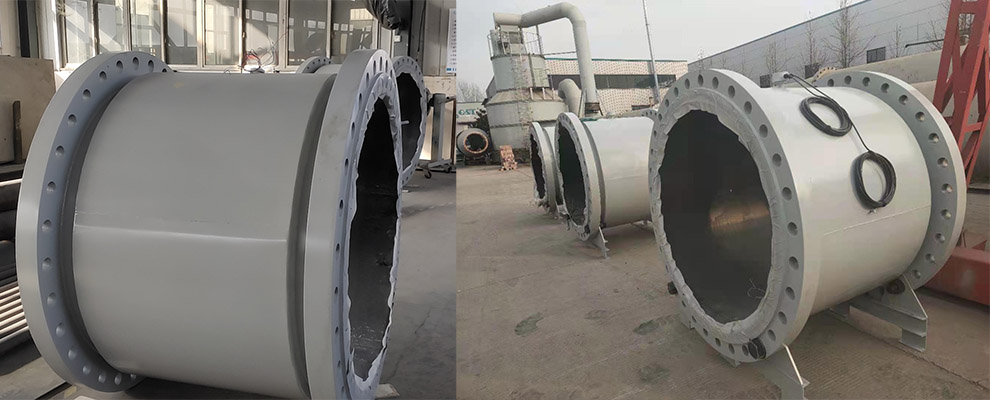
Liner and electrode materials also influence maintenance needs. PTFE-lined electromagnetic flow meters offer strong corrosion resistance but are prone to thermal deformation at high temperatures—regular liner tightness checks are essential. Rubber-lined electromagnetic flowmeters are wear-resistant but vulnerable to chemical corrosion, requiring frequent checks for cracks and peeling. For electrodes: 316L stainless steel (for clean water) needs only routine cleaning; Hastelloy and titanium (for corrosive fluids) require regular corrosion checks to prevent signal loss. All electromagnetic flow meters need consistent maintenance—only the focus and frequency change with design and environment.
Step-by-Step Guide to Maintaining Electromagnetic Flowmeters
A structured maintenance routine keeps electromagnetic flow meters running smoothly and extends their service life. These actionable steps work for all electromagnetic flow meters in any industrial setting.
1. Clean Every 6–12 Months Clean electromagnetic flow meters every 6–12 months (more often for dirty/viscous fluids). Use a soft non-metallic brush to gently remove buildup from electrodes and liners—never use sharp tools that scratch the liner. For chemical or sticky fluids, use a manufacturer-approved solvent to dissolve deposits safely. A clean measuring chamber ensures electromagnetic flow meters deliver stable, accurate readings.
2. Annual Grounding & Bonding Checks Grounding is critical for electromagnetic flow meters—poor grounding causes signal interference and inaccurate readings. Every 12 months, clean corrosion from grounding rings and bonding straps, tighten connections, and verify that grounding resistance meets the manufacturer’s specs. This keeps electromagnetic flow meters free of electrical noise.
3. Regular Calibration Calibrate electromagnetic flow meters annually (every 6 months in harsh environments like high-temperature or high-corrosion settings). Compare readings to a traceable standard device, and adjust zero and span settings if drift exceeds ±1%. Calibration is the most important step to maintain the precision of electromagnetic flow meters for high-accuracy processes.
4. Electronics & Sealing Inspections Regularly check the transmitter, junction box, and cable seals of electromagnetic flow meters. Keep electronics dry and dust-free to prevent signal distortion, and ensure enclosures are tightly sealed to block moisture—one of the most common causes of electromagnetic flow meter failure in humid or outdoor locations.
Common Maintenance Challenges & Solutions
Even with routine care, electromagnetic flow meters face common issues in industrial use. These targeted solutions quickly restore performance.
1. Liner Damage Challenge: Corrosion, cracks, or peeling liners cause leaks and measurement failure in electromagnetic flow meters. Solution: Choose a liner material matched to your fluid during installation. Replace damaged liners immediately and test seals after repair to protect electromagnetic flow meters.
2. Electrode Fouling & Corrosion Challenge: Scale, oil, or rust covers electrodes, weakening signals and reducing the accuracy of electromagnetic flow meters. Solution: Clean electrodes with a soft brush regularly. Replace corroded electrode assemblies to restore the sensing function of electromagnetic flow meters.
3. Grounding Failure Challenge: Unstable grounding creates signal noise and erratic electromagnetic flow meter readings. Solution: Clean oxide layers on grounding parts, reinforce connections, and add auxiliary grounding electrodes if needed for reliable performance.
4. Entrained Air in Pipelines Challenge: Air bubbles cause fluctuating, unreliable electromagnetic flow meter readings. Solution: Install an exhaust valve upstream of electromagnetic flow meters and ensure full-pipe installation to eliminate air interference.
5. Low-Temperature Damage Challenge: Cold weather hardens liners and cables, damaging outdoor electromagnetic flow meters. Solution: Add insulation and heat tracing to outdoor units, and inspect seals before winter to prevent freeze damage.
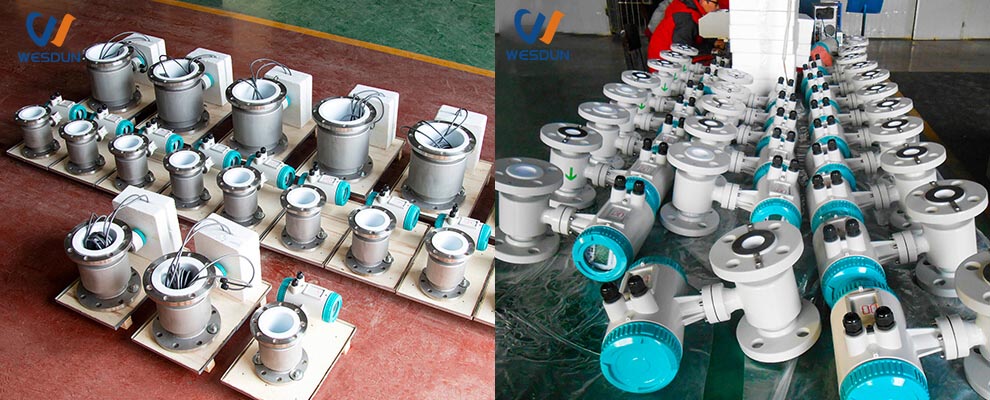
WESDUN is a specialized manufacturer of flow meters and water meters, exporting its products globally and enjoying a high reputation. If you require flow meters for your project, please contact us. https://www.wesdunmeter.com/