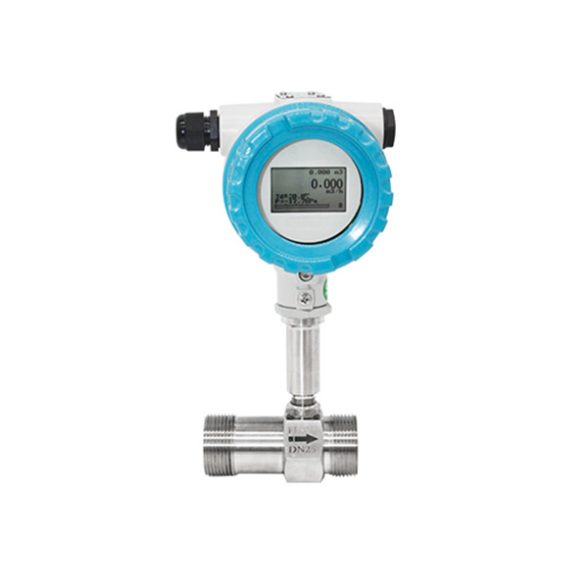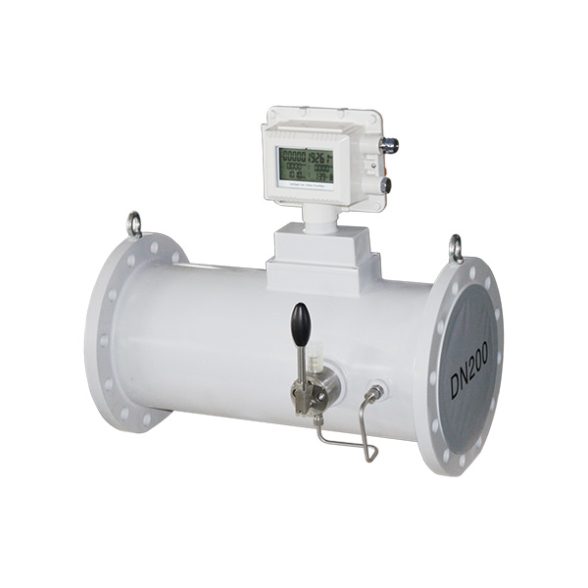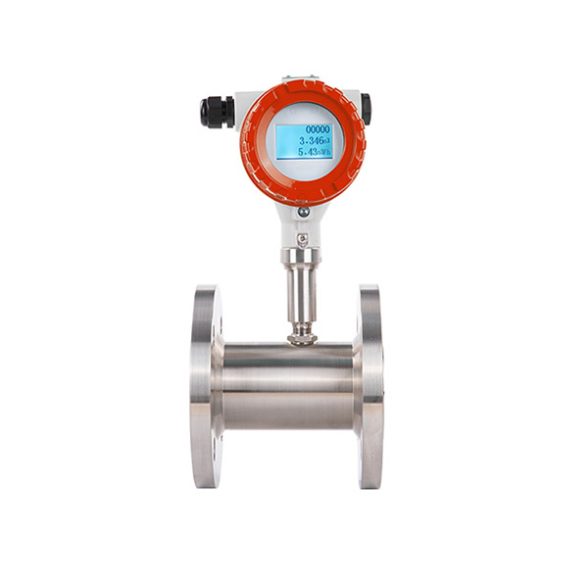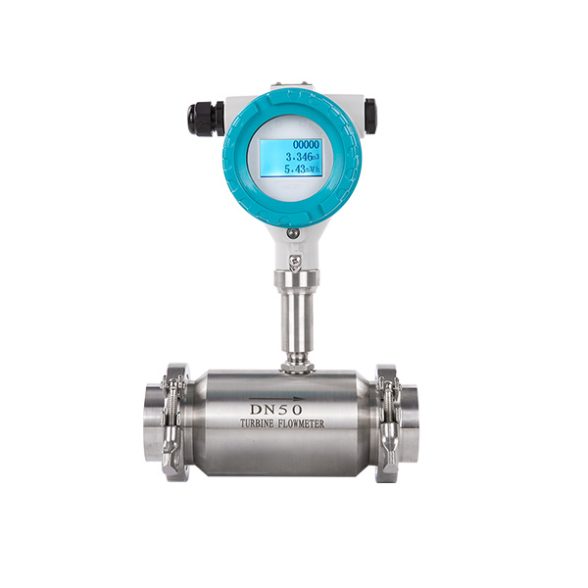
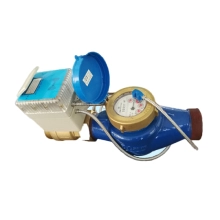
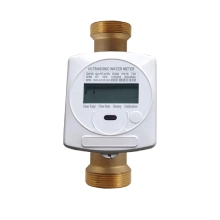
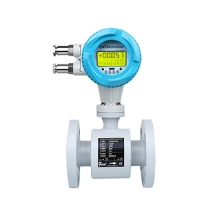
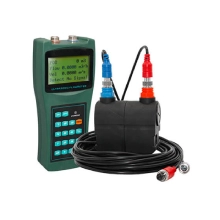
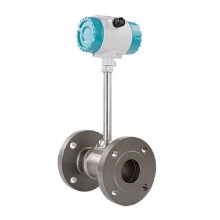
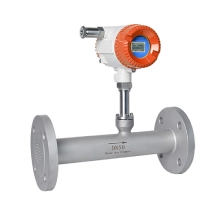
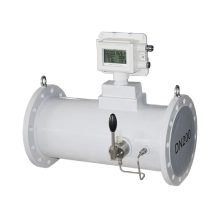

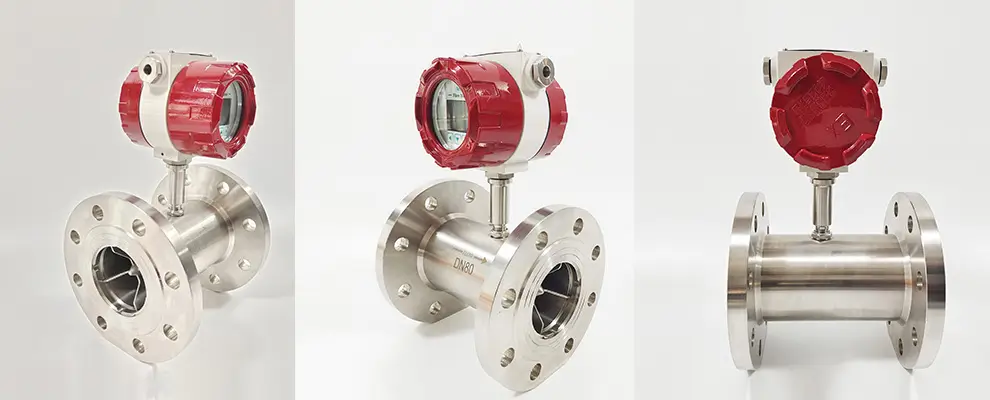
Turbine flow meter is a top choice for water flow measurement. They deliver high accuracy, fast response, and affordable long-term performance. They work well for clean water applications in industrial, commercial, and municipal systems.
Many users pick the wrong model and face inaccurate readings, frequent wear, or early failure. This guide breaks down simple, practical steps to select a perfect turbine flow meter for water. Every tip uses plain language and focuses on real field conditions.
1. Confirm Water Quality and Viscosity
Turbine flow meters fit clean, low-viscosity water best. They rely on rotating internal turbine blades to calculate flow speed.
Pure water, tap water, and filtered industrial water work perfectly with turbine meters. Water with sediment, rust particles, or heavy impurities causes blade wear and measurement drift. Always install a filter upstream if your water contains minor contaminants.
These meters suit low-viscosity media under 10 cSt. Standard water meets this requirement. Skip turbine meters for muddy water or high-viscosity liquid mixtures.
2. Match the Correct Flow Range
Flow range is the most critical technical parameter for stable, accurate measurement. Do not select a meter only by pipe size.
First, record your actual minimum and maximum water flow rates. Choose a meter whose rated flow range fully covers your working range. For best accuracy, keep daily working flow between 20% and 80% of the meter’s maximum flow.
Most standard water turbine meters offer a 10:1 turndown ratio. Premium models support 15:1 or 20:1 ranges for fluctuating water flow conditions. A matched flow range prevents under-reading at low flow and overload damage at high flow.
3. Select Suitable Bearing Types
Bearings decide the service life and stability of water turbine flow meters. Pick bearings based on your water cleanliness.
- Ball bearings: Provide high measurement accuracy. Ideal for ultra-clean water applications like purified water and drinking water systems.
- Ceramic or jewel bearings: Offer strong wear resistance. They suit slightly impure industrial water and support long-term continuous operation.
- Self-lubricating sleeve bearings: Tolerate minor water impurities. They need less maintenance and work well for general industrial water measurement.
4. Check Pressure and Temperature Ratings
Water pipelines have variable pressure and temperature changes. Your chosen meter must handle peak working conditions.
Standard water turbine meters adapt to room-temperature water. For hot water circulation systems, choose high-temperature rated models to prevent seal aging and structural deformation.
Always match the meter’s pressure rating to your pipeline’s maximum working pressure. Low-pressure meters may leak or fail under high water pressure. Over-rated pressure models lead to unnecessary cost waste.
5. Align Pipe Size and Installation Requirements
Meter pipe size must match your existing pipeline diameter. Mismatched sizes cause flow turbulence and reduce accuracy.
Turbine flow meters need straight pipe sections for stable measurement. Keep a straight pipe length of 10 times the pipe diameter upstream and 5 times downstream. This rule eliminates turbulence from elbows, valves, and pumps.
Most water turbine meters support both horizontal and vertical installation. Confirm the installation direction before purchase to avoid flow measurement errors.
6. Choose the Right Signal Output
Select output signals based on your data collection and control needs.
- Pulse output: Fits basic flow totalization and local display systems. It is simple, stable, and cost-effective.
- 4-20mA analog output: Connects easily to PLC and industrial control systems for real-time flow monitoring.
- RS485 communication: Supports remote data transmission and multi-meter networking. It works well for centralized water management systems.
7. Consider Working Environment Protection
Outdoor or wet installation sites need reliable protection grades. Select IP65 or higher waterproof meters for outdoor water pipelines.
Opt for explosion-proof models for installation in flammable, humid industrial workshops. Standard general-purpose models cannot meet safety requirements in these scenarios.
Final Quick Selection Checklist
Use this short checklist to confirm your ideal turbine flow meter for water:
- Verify clean, low-viscosity water with proper filtration
- Cover actual flow range with the meter’s rated range
- Select bearings matched to water cleanliness
- Match pressure and temperature ratings to pipeline conditions
- Confirm pipe size and straight pipe installation space
- Pick compatible signal output for your control system
- Select proper protection grade for installation environment
Conclusion
Turbine flow meters provide reliable, cost-effective water flow measurement. Proper selection ensures consistent measurement accuracy and long service life. You need to focus on water quality, flow range, structural design, installation conditions and signal requirements. Avoid blind size matching and prioritize full compatibility with your working conditions.
Follow these practical steps to select a qualified turbine flow meter for municipal water supply, industrial water circulation, agricultural irrigation, and commercial water measurement applications.