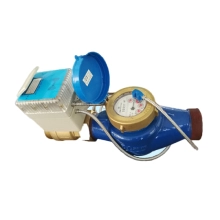
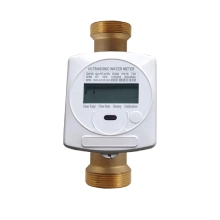
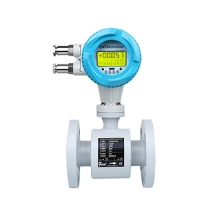
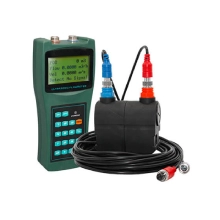
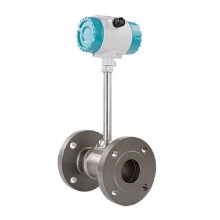
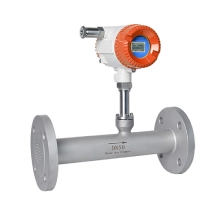
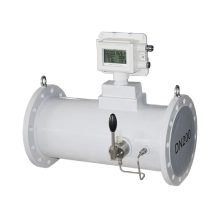

For industrial process engineers and facility managers, selecting the right flow meter is critical. It directly impacts measurement accuracy, operational efficiency, maintenance costs, and long-term return on investment (ROI). Two leading technologies dominate industries like chemical, water treatment, oil and gas, and food and beverage: electromagnetic (mag) flow meters and turbine flow meters.
While both technologies provide reliable volumetric flow data, they differ drastically in working principles, fluid compatibility, performance, maintenance needs, and cost. This guide breaks down their key advantages, limitations, and ideal use cases to help you pick the best solution for your application.
How They Work: Core Principle Differences
The biggest difference between these two flow meters is how they measure flow: one uses electromagnetic induction, the other mechanical rotation.
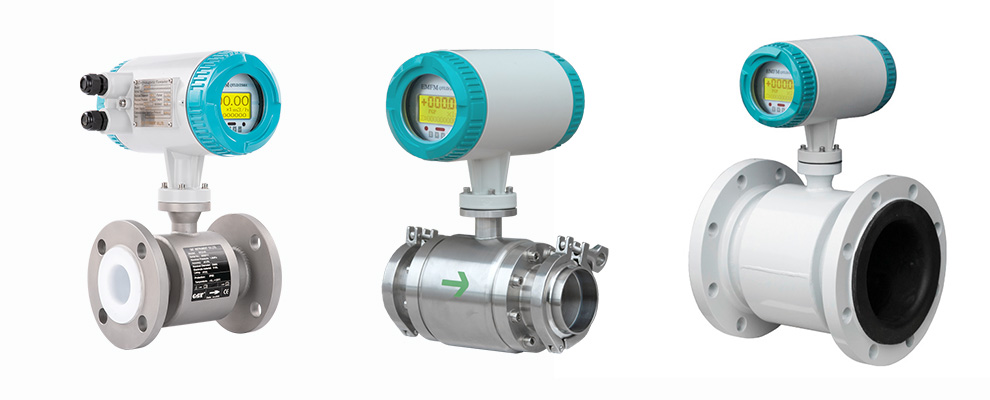
Electromagnetic Flow Meters
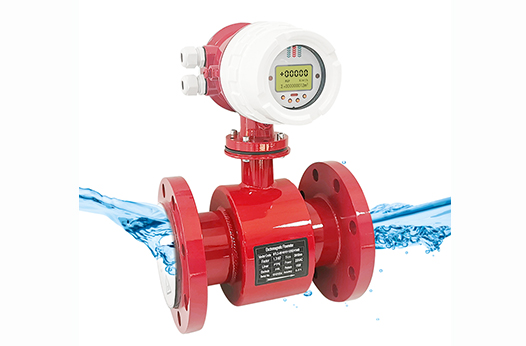
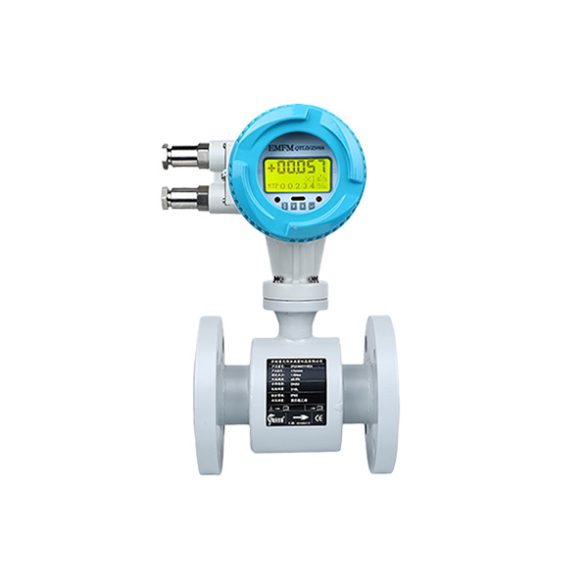
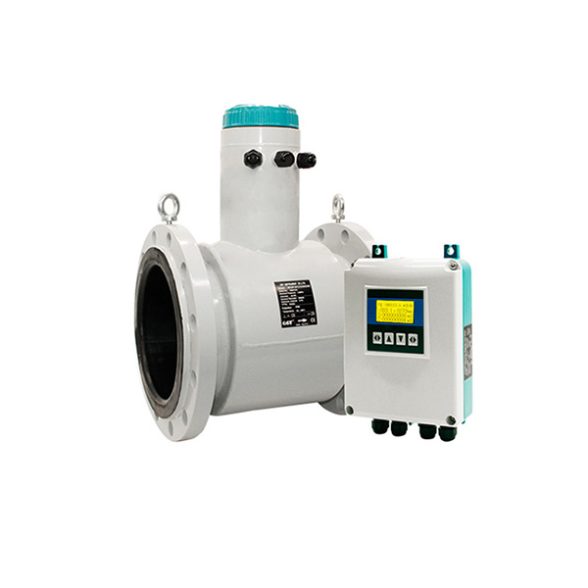
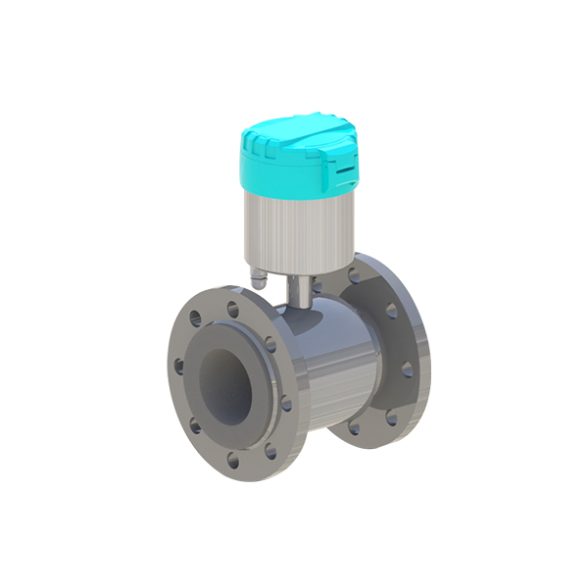
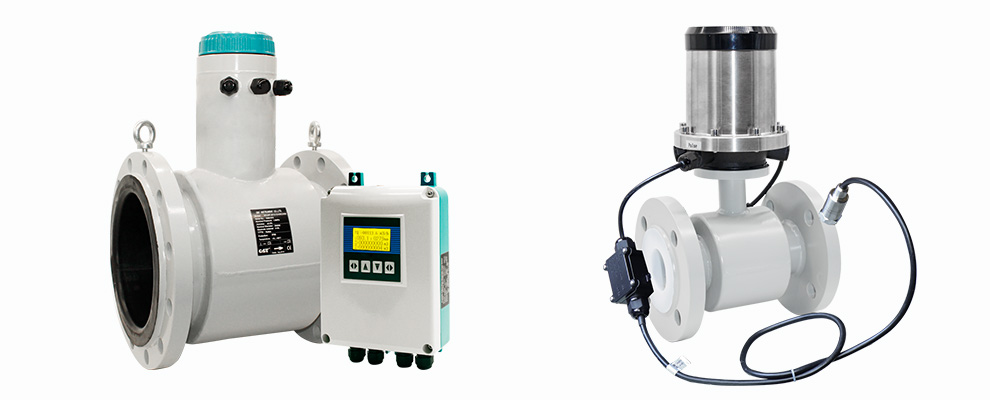
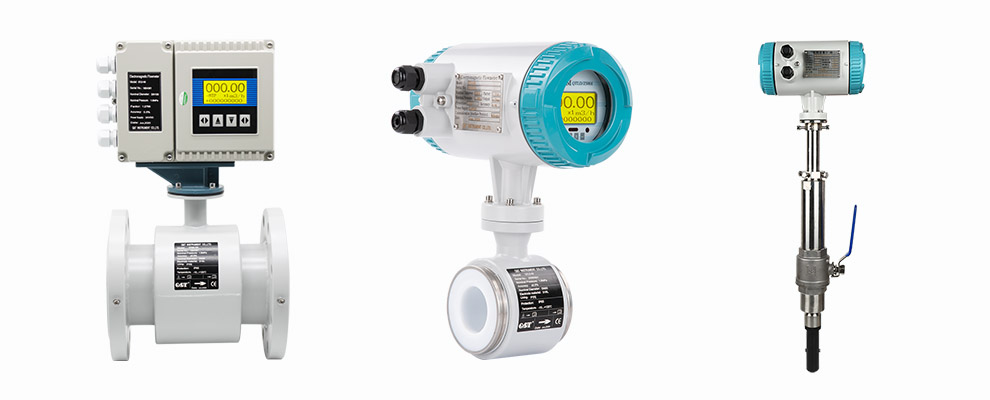
Electromagnetic flow meters work based on Faraday’s Law of Electromagnetic Induction. The meter generates a stable magnetic field across its pipe. When a conductive liquid (minimum conductivity: 5 µS/cm) flows through this field, it cuts the magnetic lines and induces a voltage—directly proportional to the fluid’s flow velocity. Built-in electrodes capture this voltage, and a transmitter converts it into precise, real-time flow readings.
A key feature of mag meters is their no-moving-parts design and unobstructed flow tube. Importantly, they only work with conductive fluids—such as water, wastewater, slurries, industrial acids, and chemical solutions. They cannot measure non-conductive media like oils, fuels, deionized water, or gases.
Turbine Flow Meters
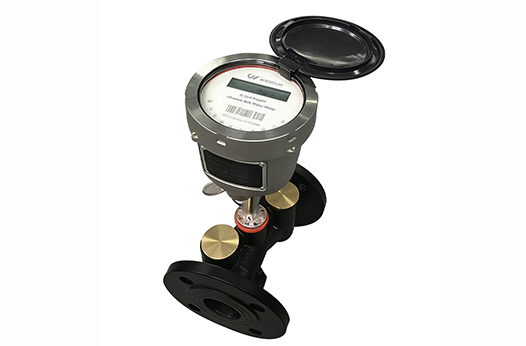
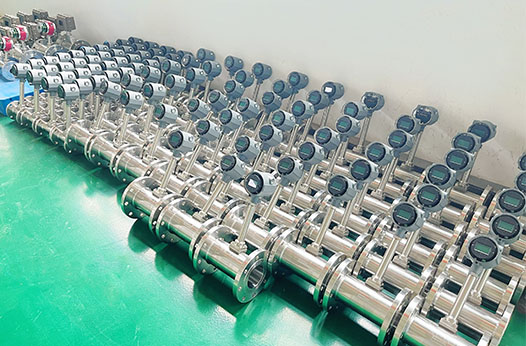
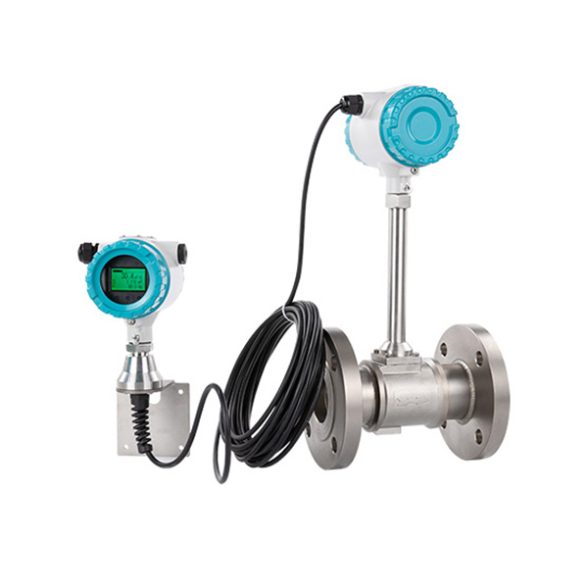
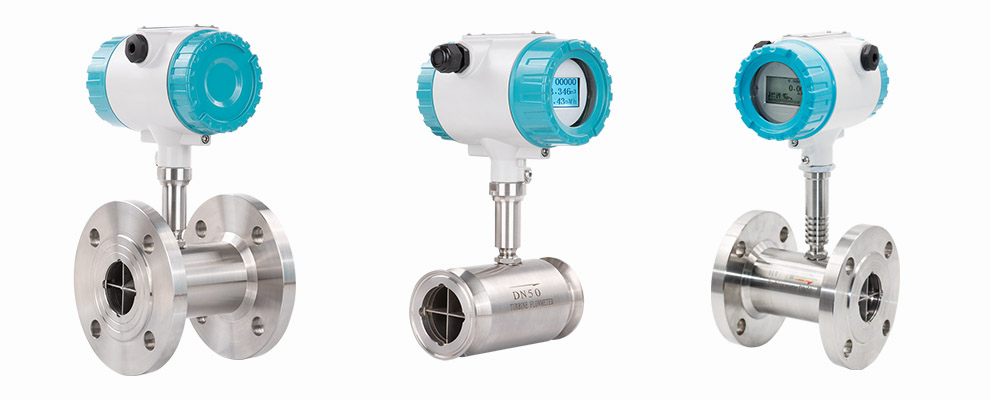
Turbine flow meters are mechanical velocity meters, operating on fluid momentum conservation. A lightweight, multi-bladed turbine rotor is precision-mounted inside the meter’s housing. As fluid passes through, it hits the rotor blades, making the turbine spin—its speed directly correlates to the fluid’s average flow velocity within a defined range.
Magnetic or optical sensors count the rotor’s rotations, turning mechanical motion into electrical pulses. A transmitter processes these pulses to calculate both instantaneous and cumulative flow rates. Unlike mag meters, turbine meters have moving parts and work with any clean, low-viscosity fluid—regardless of conductivity—including hydrocarbons, cryogenic liquids, and natural gas (via specialized gas turbine models).
Key Comparison: Performance, Maintenance & Cost
To make an informed decision, here’s a clear breakdown of the critical factors that set these two flow meters apart and determine their suitability for different applications.
1. Fluid Compatibility
- Electromagnetic Flow Meters: Only work with conductive liquids (e.g., water, wastewater, mining slurries, corrosive acids/bases). Non-conductive fluids will make the meter unusable.
- Turbine Flow Meters: No conductivity restrictions. They work well with clean non-conductive fluids (oils, fuels, diesel, LNG), conductive water, and even gases (via gas turbine variants).
2. Accuracy & Repeatability
- Electromagnetic Flow Meters: High accuracy (±0.2%–±0.5% of reading) and excellent long-term repeatability. Their no-moving-parts design eliminates mechanical wear, resulting in minimal drift and consistent precision for full-pipe, steady flow.
- Turbine Flow Meters: Good accuracy (±0.5%–±1% of reading) for clean, low-viscosity fluids. Short-term repeatability is strong (0.05%–0.2%) under ideal conditions, but accuracy decreases over time due to rotor and bearing wear—especially with abrasive fluids. Regular calibration is required to maintain performance.
3. Maintenance & Durability
- Electromagnetic Flow Meters: Ultra-low maintenance. No moving parts mean no clogging, jamming, or mechanical failure—ideal for dirty, corrosive, or abrasive fluids. Only occasional electrode cleaning is needed in high-solids environments, ensuring a long service life with minimal downtime.
- Turbine Flow Meters: Higher maintenance due to moving components. Rotors and bearings wear, jam, or break when exposed to dirty, abrasive, or corrosive media—limiting use to clean, non-corrosive fluids. Regular recalibration, bearing replacements, and scheduled downtime are needed, increasing long-term costs.
4. Pressure Drop & Flow Range
- Electromagnetic Flow Meters: Near-zero pressure drop, thanks to their unobstructed flow tube with no internal components blocking fluid. Critical for systems where preserving line pressure is a top priority. They perform reliably at low to high flow rates, handle bidirectional flow easily, and have a wide turndown ratio (up to 1:100).
- Turbine Flow Meters: Significant pressure drop due to the rotor and internal housing. They excel at high flow rates with fast response times but struggle at very low flow rates—where the rotor may stall or spin erratically. Their turndown ratio is limited by mechanical constraints.
5. Cost (Upfront & Lifecycle)
- Electromagnetic Flow Meters: Higher upfront cost, due to complex electronics, specialty liners, and corrosion-resistant electrodes. However, their zero-maintenance design, minimal downtime, and long lifespan result in lower total cost of ownership (TCO)—especially for harsh fluids and large-diameter pipes (DN100+).
- Turbine Flow Meters: Lower upfront cost, thanks to their simple mechanical design—ideal for small-to-medium pipe sizes (≤DN200). However, recurring costs for calibration, parts replacement, and downtime lead to higher long-term TCO in challenging industrial environments.
Ideal Applications: Which Meter Should You Choose?
There is no “one-size-fits-all” better flow meter—the right choice depends entirely on your fluid properties and process conditions. Use the guidelines below to match the meter’s strengths to your needs.
Choose an Electromagnetic Flow Meter If:
- You measure conductive liquids (water, wastewater, slurries, acids, or bases).
- Your fluid is dirty, corrosive, or abrasive (e.g., mining, pulp and paper, wastewater treatment).
- You prioritize zero maintenance and consistent long-term accuracy with minimal drift.
- Preserving line pressure (minimal pressure drop) is non-negotiable.
- You need bidirectional flow measurement or a wide operating flow range.
- Your pipe diameter is large (≥DN200).
Choose a Turbine Flow Meter If:
- You measure clean, low-viscosity non-conductive fluids (oils, fuels, diesel, cryogenic liquids).
- You need precise accuracy for custody transfer, fuel dispensing, or petroleum pipelines.
- Your process requires high flow rates and fast response times.
- You have a tight upfront budget for small-to-medium pipe sizes.
- You need to measure gas flow (via specialized gas turbine variants).
Final Verdict
Both electromagnetic and turbine flow meters are reliable, industry-proven technologies—but they are designed for different industrial needs:
- Electromagnetic flow meters: Best for harsh, conductive-fluid environments where low maintenance, zero pressure drop, and long-term precision are top priorities.
- Turbine flow meters: Excel in clean, non-conductive fluid applications, offering affordability, high-flow performance, and fast response times.
Ultimately, your process conditions—fluid type, cleanliness, viscosity, flow range, pipe size, accuracy requirements, and budget—will determine the best flow meter for your operation. Align the meter’s strengths with your specific needs, and you’ll ensure accurate, efficient, and cost-effective flow measurement for years to come.