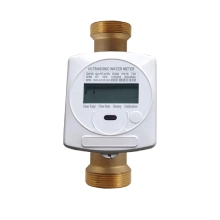
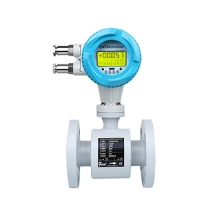
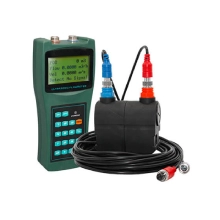
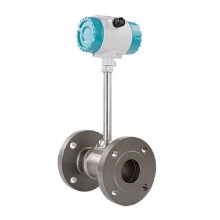
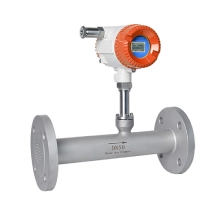
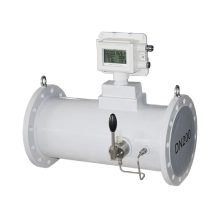

A thermal gas mass flow meter is a high-precision industrial device that directly measures gas mass flow rates in closed piping systems. It is built specifically for gas measurement and delivers steady, repeatable readings for clean, dry industrial gases. Unlike standard volumetric flow meters, it does not require separate pressure or temperature compensation hardware. For this reason, it serves as a reliable core instrument in modern industrial gas monitoring systems.
This flow meter is widely used in industries that process, transport, or consume gas. It features simple on-site installation, minimal routine maintenance, and long-term operational stability. It works equally well for low-flow leak detection and high-volume pipeline flow measurement. Whether running continuously or intermittently, it holds consistent accuracy and does not require frequent recalibration.
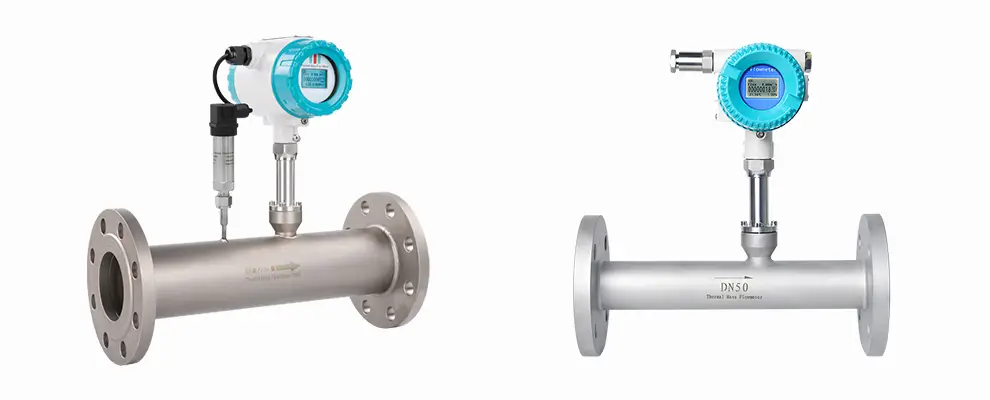
Core Working Principle
Thermal gas mass flow meters operate on the proven thermal dispersion principle, a mature technology dedicated to gas flow measurement. Every industrial model uses two precision-matched RTD temperature sensors with identical sensitivity. One sensor acts as a passive reference and tracks the real-time temperature of the flowing gas. The second sensor is electrically heated and maintains a fixed temperature offset from the reference sensor during normal operation.
When gas inside the pipeline is static, heat dissipation stays stable, and the two sensors maintain a consistent temperature gap. When gas begins to flow, the moving medium carries heat away from the heated sensor. Higher flow velocity increases heat loss and lowers the sensor’s temperature. To preserve the preset temperature difference, the meter’s internal controller automatically adjusts heating power in real time.
The onboard processing system captures changes in heating power and calculates precise mass flow values using optimized algorithms. Because it measures mass flow directly, the meter avoids common errors that affect volumetric devices. Pressure shifts, temperature swings, and minor environmental changes do not compromise measurement accuracy. This makes it highly dependable for complex industrial conditions.
Key Components
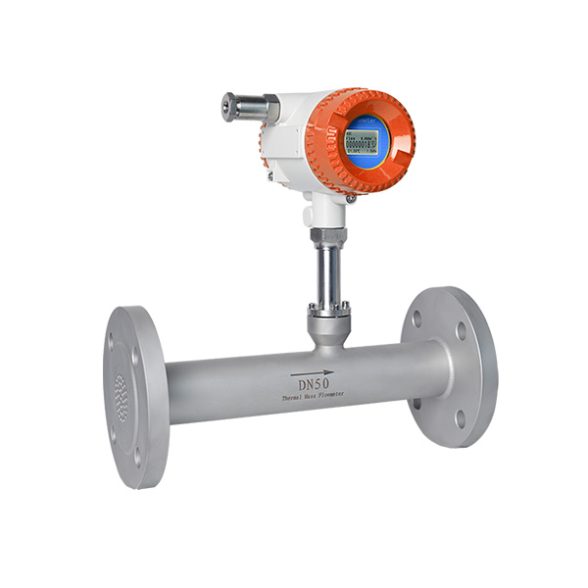
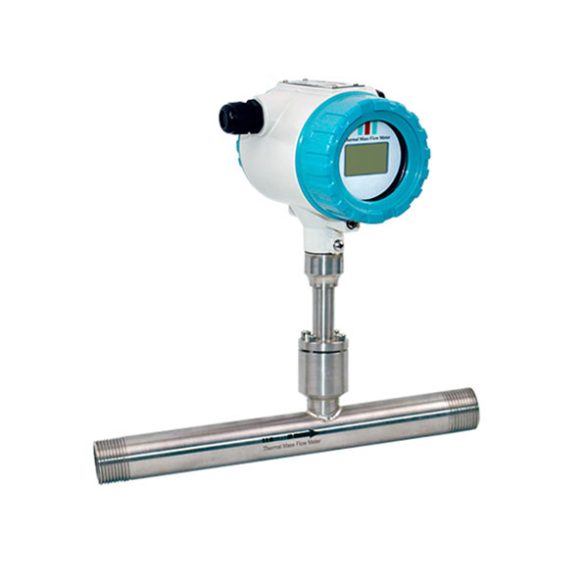
A typical thermal gas mass flow meter includes three core components. These parts work together to ensure stable, accurate, and long-term gas flow measurement in industrial environments.
- Dual RTD Sensors: The reference sensor monitors real-time gas temperature to establish a baseline. The heated sensor detects heat loss caused by moving gas. Together, these high-sensitivity sensors provide the raw data needed for all flow calculations.
- Signal Processing Module: This unit serves as the meter’s core processor. It collects sensor data, analyzes heating power variations, and converts analog signals into standard digital flow data. It calculates both instantaneous flow and total accumulated flow to meet industrial logging requirements.
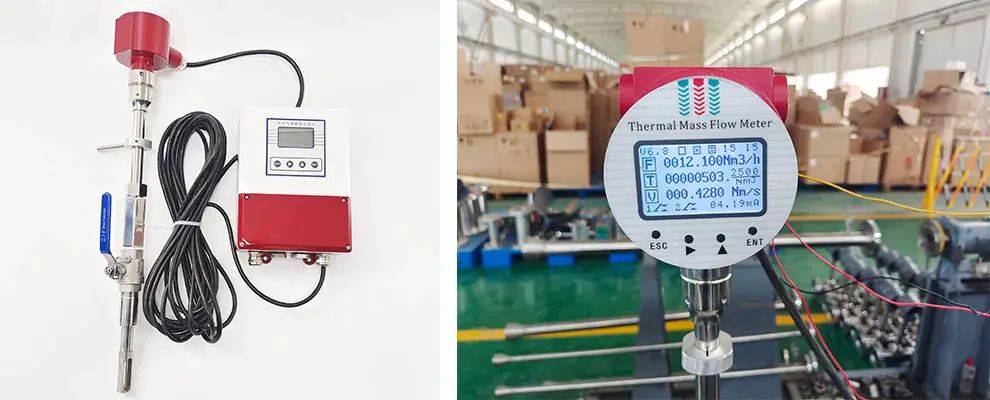
- Display & Transmission Unit: A local screen shows real-time flow readings, gas temperature, and device status for on-site checking. The unit also supports common industrial signal outputs to connect with PLC and DCS systems, enabling remote monitoring and automated data recording.
Main Types
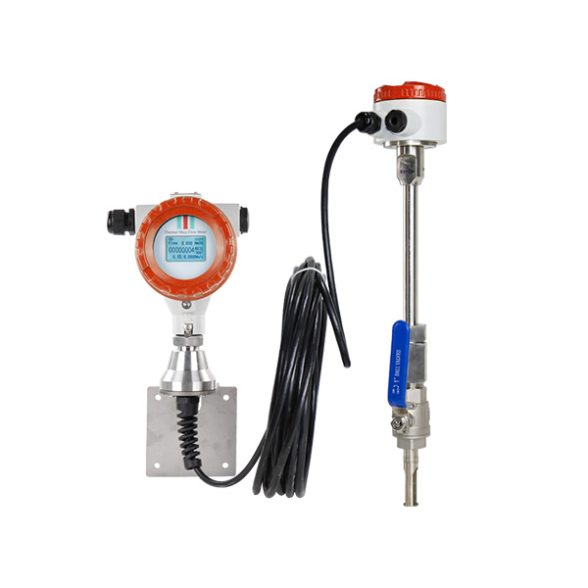
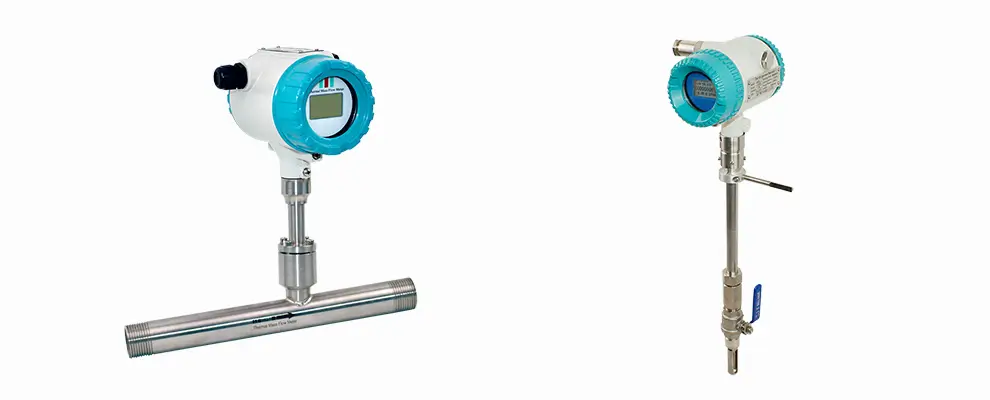
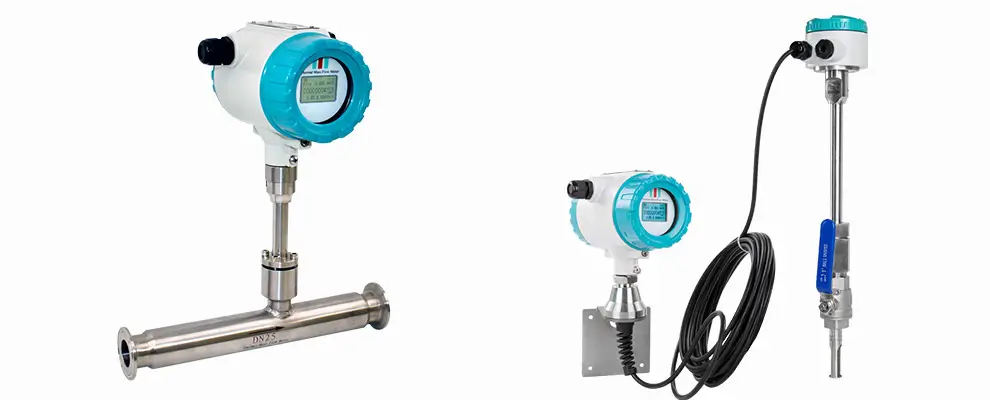
Thermal gas mass flow meters fall into two primary categories based on installation style. Each design targets different pipe sizes and field conditions, covering most standard industrial applications and budget needs.
Inline Type: Inline thermal flow meters feature an all-in-one compact structure. They fit small and medium-diameter fixed pipelines with steady gas flow. The flow meter deliver high accuracy, reliable sealing, and strong anti-interference performance. They are the ideal choice for precise metering and commercial gas billing in standardized production lines.
Insertion Type: Insertion meters are designed for large-diameter industrial pipelines. Technicians can install them without cutting pipes or shutting down systems, leaving the original pipeline structure intact. This method saves construction time, labor, and material costs, making it the preferred solution for large industrial gas networks.
Top Advantages
- No Pressure and Temperature Compensation Needed: Unlike volumetric meters, this device measures gas mass flow directly. It requires no additional pressure or temperature transmitters for correction. It simplifies system setup and eliminates common measurement drift caused by ambient changes.
- Extremely Wide Turndown Ratio: The meter accurately covers ultra-low micro-flow and high-volume gas flow conditions. It maintains consistent sensitivity and precision even when flow rates fluctuate frequently.
- Low Straight Pipe Requirements: Most traditional flow meters demand long straight pipe sections upstream and downstream for accurate results. Thermal mass flow meters work reliably even with elbows, tees, and short pipe runs, suiting compact and complex field layouts.
- Fast Response: It responds to flow changes in less than one second. It tracks real-time gas flow fluctuations accurately.
- Low Maintenance Design: The meter has no moving mechanical parts. It avoids wear, jamming, and mechanical failure. Its robust structure resists dust and mild corrosion. Operators only need basic routine inspections, which greatly lowers long-term operational costs.
Common Applications
Thermal gas mass flow meters work with nearly all clean, dry, non-corrosive industrial gases. Thanks to their versatile performance and stable output, they serve a wide range of industrial sectors, supporting process control, energy accounting, and emission compliance.
- Petroleum & Natural Gas: These meters accurately measure natural gas flow in transmission, distribution, and terminal pipelines. They support precise gas metering, energy consumption statistics, and fair trade settlement between enterprises.
- Industrial Manufacturing: They measure the flow of compressed air, nitrogen, oxygen, and argon to stabilize gas supply control and help factories maintain consistent production conditions.
- Environmental Protection: They steadily monitor the flow of industrial flue gas, tail gas, and waste gas emissions. They provide accurate real-time emission data to help enterprises meet environmental supervision standards and complete emission reports.
- Food & Pharmaceutical: They monitor sterile gas flow on production lines to maintain hygienic standards and ensure safe, clean manufacturing environments.
- Power Industry: They track the flow of combustion-supporting gas in boilers, helping plants optimize combustion efficiency and reduce energy waste.
Final Thoughts
Thermal gas mass flow meters deliver reliable, cost-effective gas measurement for industrial facilities. Compared with orifice plates, vortex meters, and other conventional devices, they offer simpler installation, better environmental tolerance, and superior long-term stability. Their direct mass flow design solves many common pain points found in traditional gas measurement systems.
This meter fits most industrial gas measurement scenarios perfectly. It enables precise, real-time flow control, reduces unnecessary gas loss and energy consumption, and improves overall production efficiency and profitability. For modern smart factories and energy management systems, it is a highly practical and essential measuring instrument.