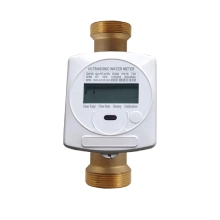
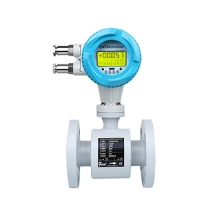
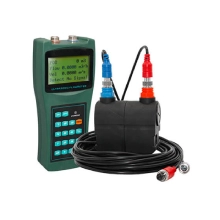
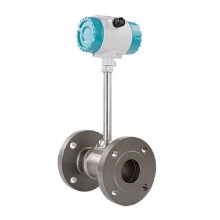
Non-revenue water (NRW) plagues water utilities globally, eroding revenues and wasting scarce water resources. Fortunately, ultrasonic water meters have emerged as a reliable, tech-driven solution to combat this crisis. These smart devices address the root causes of NRW with precision, making them indispensable for modern water management.
Defining Non-Revenue Water (NRW) & Its Core Causes
Non-revenue water refers to the gap between the total volume of water produced by utilities and the volume billed to consumers. It includes water that is lost, stolen, or used without generating any income. The scale is alarming: the EU loses 23% of its drinking water annually, and global utilities lose approximately $14 billion each year due to NRW. This not only hits bottom lines but also wastes treated water, which is becoming increasingly scarce in water-scarce regions.
NRW stems from three primary categories—all of which ultrasonic water meters are designed to address.
First, real water loss stems from physical leaks in pipelines. Aging infrastructure, corroded pipes, and defective joints are the main culprits. Hidden leaks siphon massive amounts of water before it reaches end-users: one-third occur on transmission mains, and another third on residential service connections. These leaks often go undetected for months, exacerbating water waste.
Second, apparent water loss includes metering inaccuracies, water theft, and billing errors. Traditional mechanical meters wear out over time, losing accuracy and failing to register low flow rates. This means a significant amount of water use goes unbilled. Manual meter reading also introduces errors, while illegal taps and tampering further drain revenues. These issues often evade detection without smart monitoring tools like ultrasonic water meters.
Third, unbilled authorized consumption covers legitimate uses like pipeline flushing or firefighting training. Without precise measurement from ultrasonic water meters, utilities often overestimate this usage, inflating NRW figures unnecessarily.
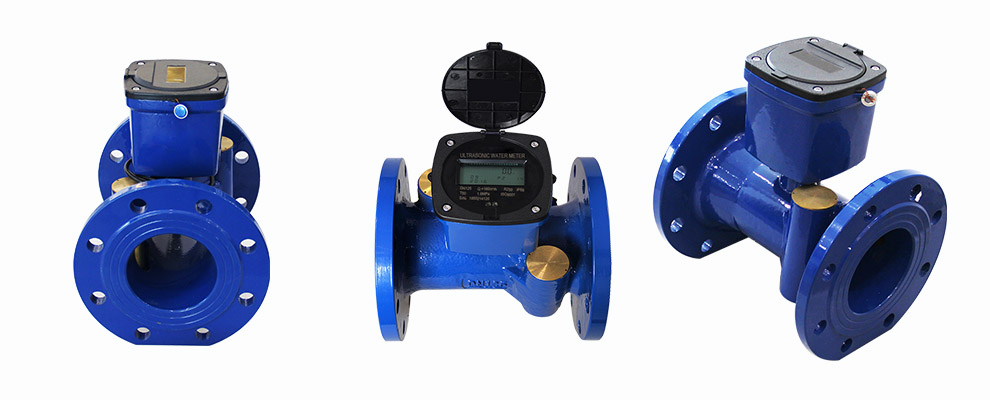
Main features of ultrasonic water meter
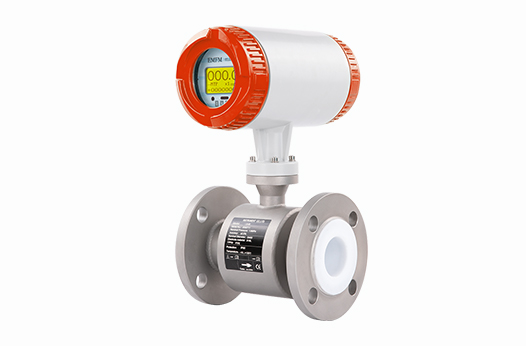
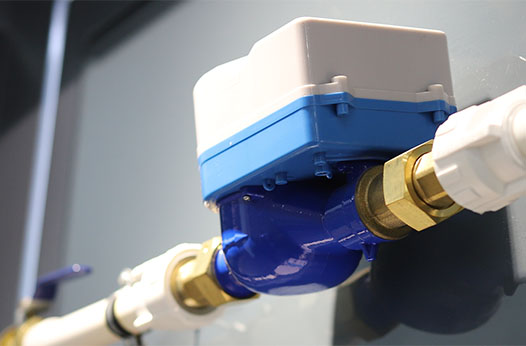
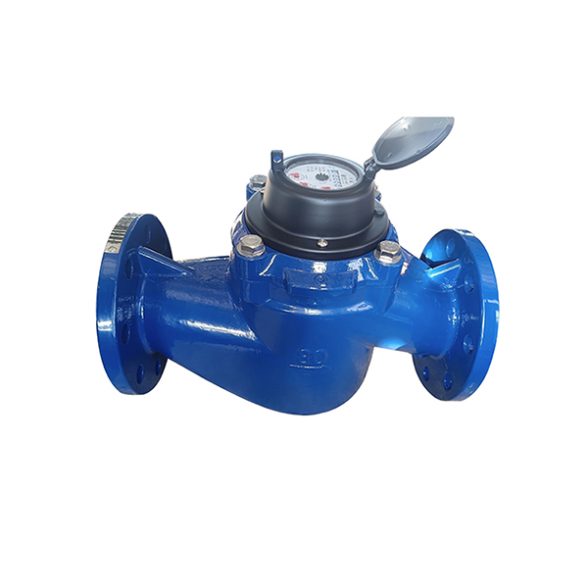
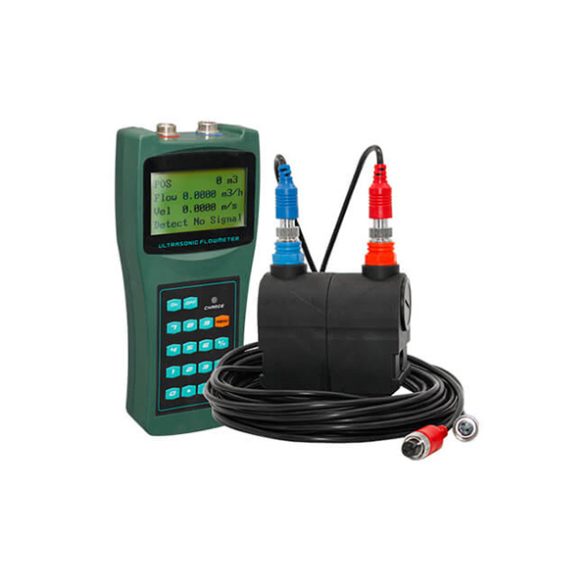
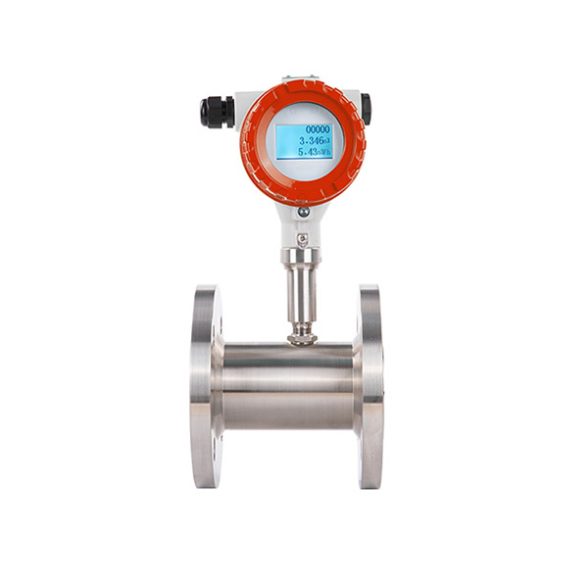
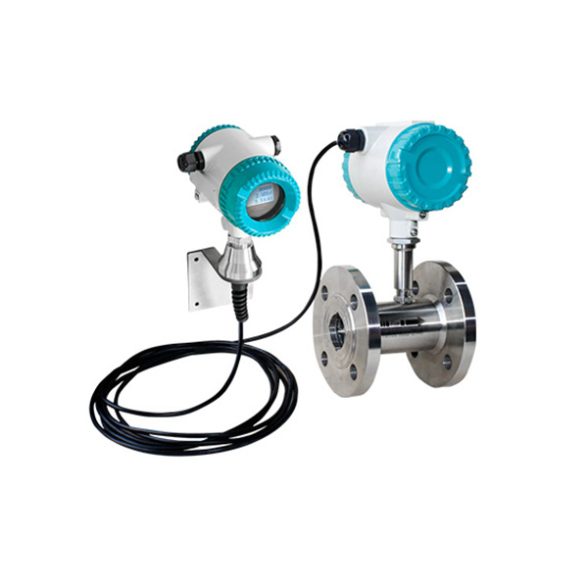
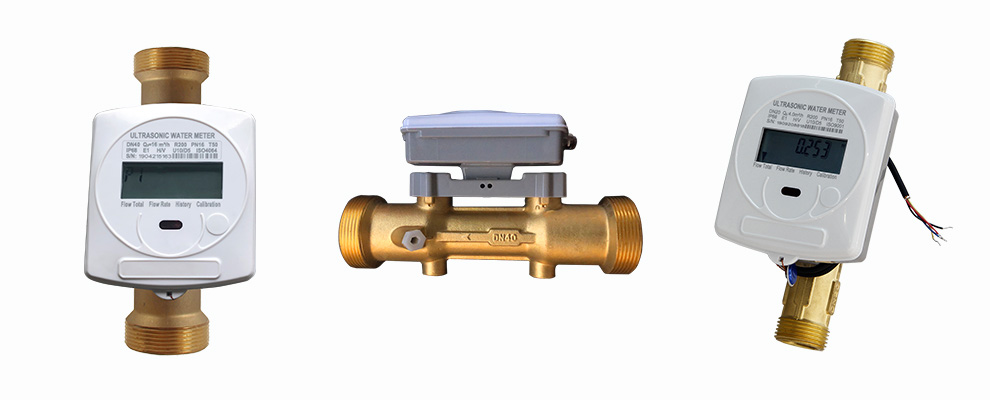
An ultrasonic water meter is an advanced smart device that uses ultrasonic technology to measure water flow with exceptional accuracy, revolutionizing how utilities manage water. Unlike mechanical meters, it has no moving parts, eliminating wear and tear and ensuring consistent performance throughout its lifespan.
Ultrasonic water meters integrate cutting-edge sensors (pressure and temperature sensors in high-end models like Badger Meter’s E-Series) to collect more than just flow data. They provide critical insights into network health. Most support remote reading via NB-IoT, LoRa, or GPRS, allowing utilities to access real-time data remotely and eliminate manual on-site checks.
Many ultrasonic water meters, such as Kamstrup’s flowIQ® 2200, include built-in acoustic leak detection. They sense even tiny leaks from mains to household connections. Highly sensitive to low flow rates, ultrasonic water meters capture every drop, ensuring accurate billing. They also resist tampering, with smart alarms to notify utilities of irregular activity—making them a comprehensive tool for NRW reduction.
How Do Ultrasonic Water Meters Work? Core Mechanisms
The working principle of ultrasonic water meters relies on detecting ultrasonic wave behavior in flowing water—an innovative approach that sets them apart from traditional meters. Two main methods power these devices: time-difference and Doppler.
The time-difference method, used for clean water systems, transmits two ultrasonic signals simultaneously: one traveling with the flow and the other against it. The signal traveling with the flow takes less time, while the one traveling against the flow takes longer. Ultrasonic water meters calculate this time difference, convert it to flow velocity, and multiply it by the pipe’s cross-sectional area to get the precise volume. This method excels at low flow rates, where mechanical meters often fail to register.
The Doppler method is designed for water containing suspended particles or bubbles. It emits ultrasonic waves, detects the frequency shift of waves reflected back by suspended particles, and links this shift to water flow speed. Ultrasonic water meters using this method maintain accuracy in harsh water conditions where mechanical meters would quickly clog or become inaccurate. With no moving parts, their precision remains consistent over the long term.
4 Ways Ultrasonic Water Meters Cut Non-Revenue Water Loss
1. Eliminate Metering & Reading Inaccuracies
Mechanical meters’ wear leads to inaccurate low-flow measurement and unbilled water—a top cause of apparent NRW. Ultrasonic water meters retain pinpoint accuracy throughout their lifespan, capturing every drop of water used. Their remote reading capability replaces error-prone manual checks, shortening water balance cycles from once a year to once a month (or even once a day). Utilities can quickly spot discrepancies between water input and billed output, allowing them to address issues promptly.
2. Enable Real-Time Leak Detection & Repair
Leakage is the biggest driver of real NRW—and ultrasonic water meters excel at early leak detection. Built-in acoustic sensors identify sound waves specific to leaks, sending real-time alerts to utilities. This enables utilities to fix small leaks before they escalate into costly bursts. In Gwinnett County’s pilot program, ultrasonic water meters helped identify plumbing issues in residences, preventing 4.8 million gallons of annual water loss (enough to supply 44 households). They also alert homeowners to small leaks, reducing overall water waste.
3. Prevent Water Theft & Tampering
Water theft contributes significantly to apparent NRW, but ultrasonic water meters’ smart alarm systems detect tampering attempts (e.g., reverse flow, meter movement). Alerts are transmitted to utility management systems instantly, enabling quick responses. When paired with district metered area (DMA) management, master ultrasonic water meters measure inflow, while individual meters track billed volume. Utilities can then calculate NRW levels per district, prioritizing both theft prevention and leak repairs.
4. Optimize Pipeline Network Management
Ultrasonic water meter collect pressure and temperature data, providing insights into pipeline conditions. Utilities can adjust pipeline pressure to avoid surges (a common trigger for leaks) and use the data to prioritize replacements for aging pipes. This proactive maintenance reduces long-term real water loss. Ultrasonic water meters convert raw data into actionable insights, transforming NRW reduction from a reactive task to a strategic initiative. This shift boosts revenues and enhances the sustainability of water supply.
For utilities looking to slash NRW, ultrasonic water meters are more than just metering tools—they are a cornerstone of efficient, sustainable water management. Their unmatched accuracy, remote monitoring capabilities, and advanced leak detection make them irreplaceable in the fight against non-revenue water loss.
Choose WESDUN, a company specializing in the manufacture of valves and water meters, to help your projects be completed more efficiently and accurately.