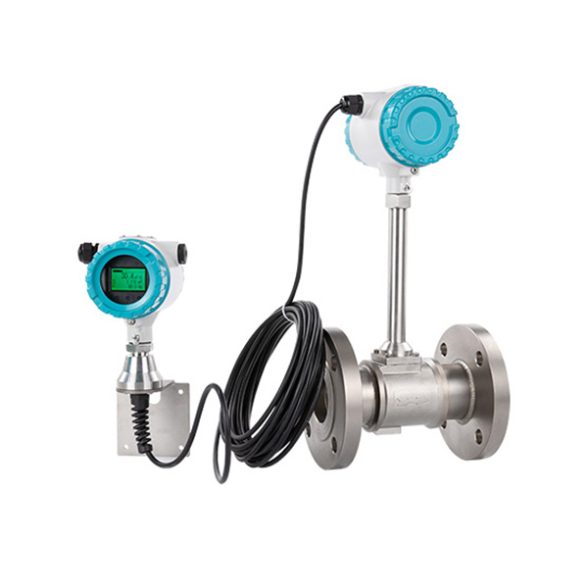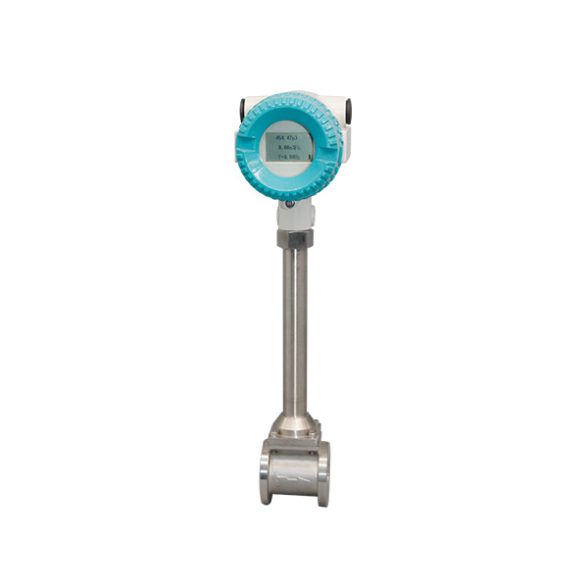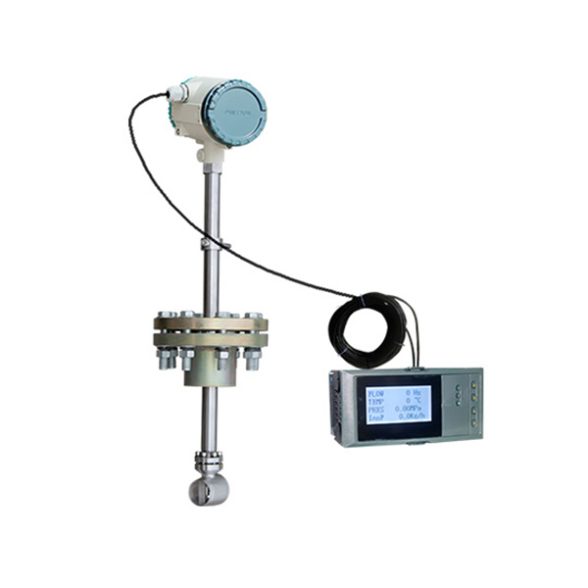
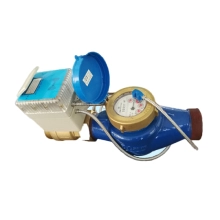
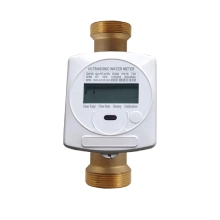
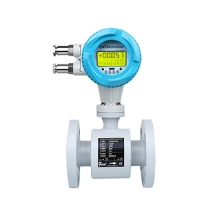
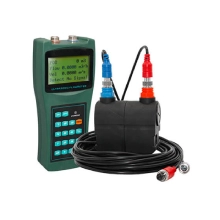
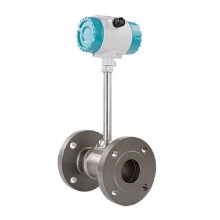
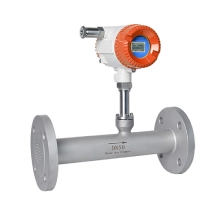

Every industrial plant relies on accurate flow measurement for gases, liquids, and steam to run stably, control costs, and record reliable production data. Among all common flow meters, vortex flow meter are one of the most popular choices across global industries. They feature a straightforward structure, consistent performance, and very low maintenance requirements. This article breaks down how vortex flow meters work, their most common industrial uses, and their key limitations in simple, clear English—perfect for field engineers and sourcing teams to reference quickly.
What Is a Vortex Flow Meter?
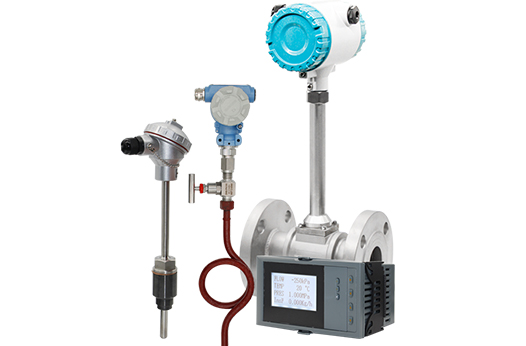
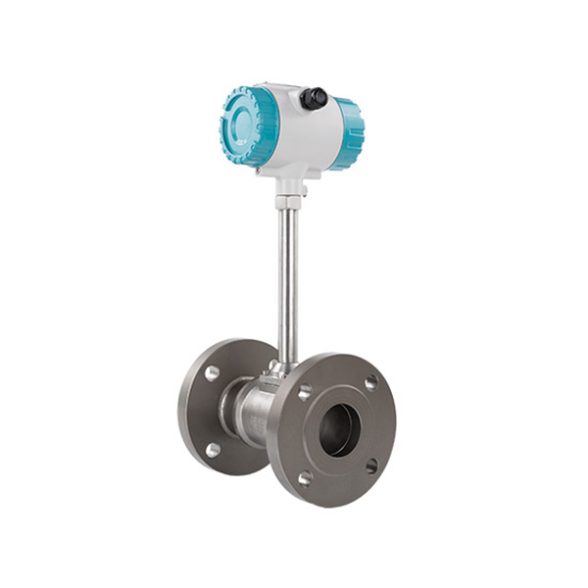
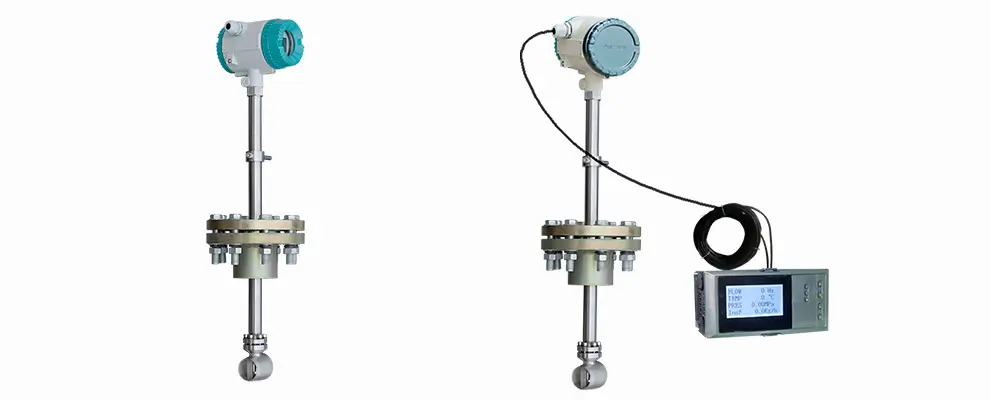
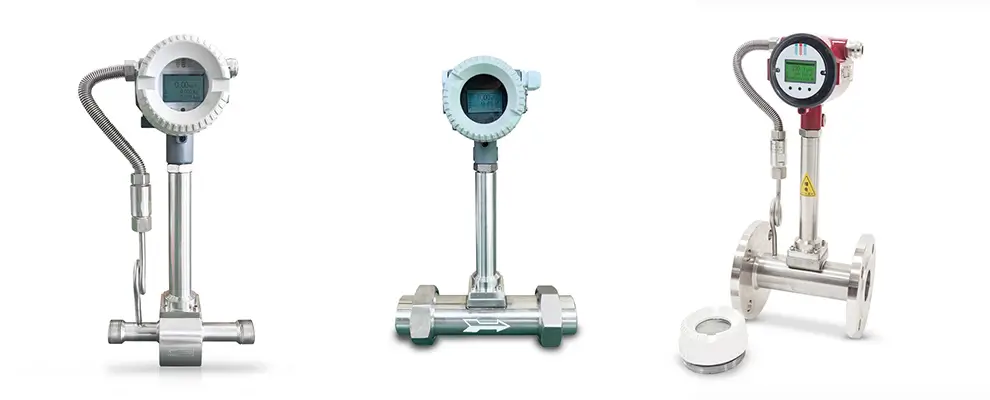
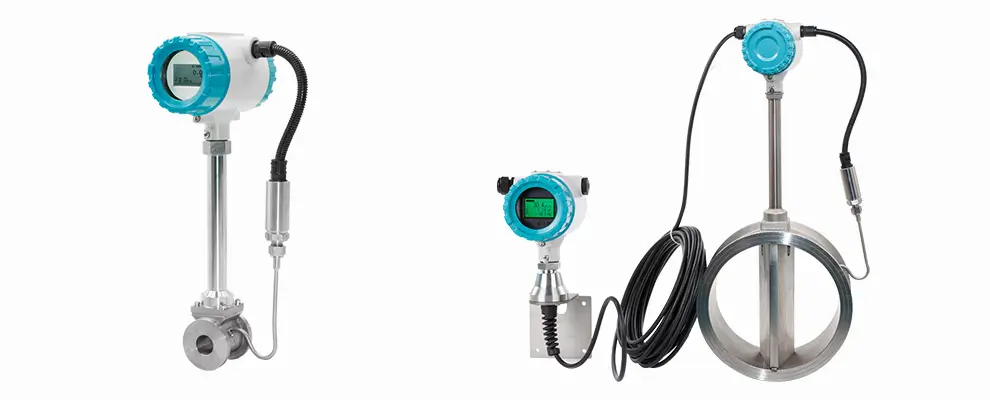
A vortex flow meter is a velocity-style flow instrument that operates on the Karman Vortex Street principle. As fluid flows past a fixed bluff body inside a pipe, it creates consistent, alternating vortexes on both sides of the body. The frequency of these vortexes rises and falls with fluid velocity. The meter detects this frequency signal and converts it into accurate real-time flow rate and total flow readings.
Unlike traditional mechanical flow meters, vortex flow meters have no moving parts. This core advantage eliminates most mechanical wear and potential failures. They can run nonstop in tough industrial environments and greatly reduce routine maintenance and calibration work.
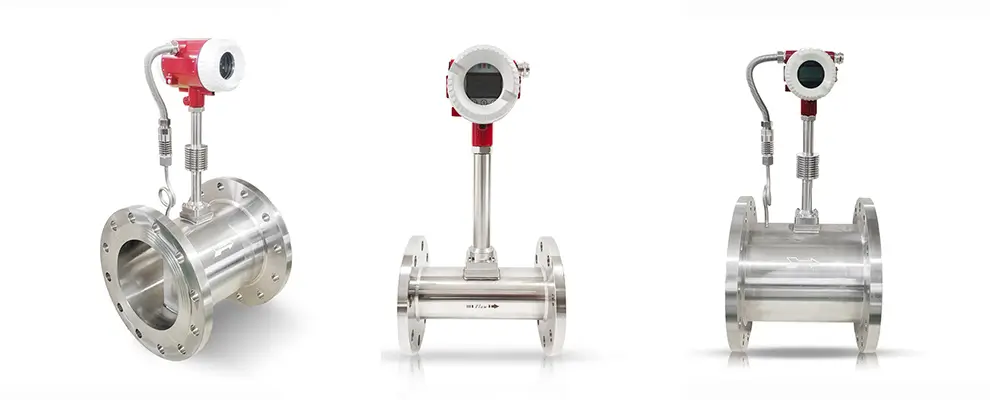
Core Industrial Applications of Vortex Flow Meter
Vortex flow meters work exceptionally well for three mainstream industrial fluids: clean gases, low-viscosity liquids, and saturated or superheated steam. They adapt perfectly to steady, continuous industrial processes. Below are their most typical and reliable application scenarios.
1. Power and District Heating Industry
Power plants and thermal heating systems are the most established use case for vortex flow meters. These facilities need 24/7 stable flow monitoring for high-temperature, high-pressure process media.
Vortex flow meters deliver stable, repeatable measurements for boiler saturated steam and superheated steam, providing accurate data for load adjustment and energy accounting. They also monitor cooling circulation water, combustion air, and plant compressed air. For district heating networks, these meters track high-temperature hot water and heating steam to support fair heat distribution and precise billing.
They withstand operating temperatures up to 450 °C, making them ideal for round-the-clock power and heating operations.
2. Petroleum and Chemical Industry
Petrochemical manufacturing depends on precise flow control to stabilize chemical reactions and maintain site safety. Vortex flow meters perform best with clean, low-viscosity, mildly corrosive process media.
In refineries, they measure process gases like ethylene and synthetic ammonia, as well as low-viscosity solvents such as methanol and acetone. Unlike electromagnetic meters, they work reliably for non-conductive liquids and fill critical measurement gaps in standard instrument setups.
In fine chemical and daily chemical production, 316L stainless steel sensor models effectively monitor dilute acid and alkali solutions. They also deliver accurate flow data for natural gas and inert gases at transmission stations, meeting basic accuracy standards for commercial billing.
3. Metallurgy and Building Materials Industry
Metallurgy, cement, glass, and ceramic plants need highly stable flow instruments to monitor high-temperature flue gas, hot air, and equipment cooling water.
In blast furnace and coke furnace operations, vortex meters track hot blast air, blast furnace gas, and coke oven gas. Operators use this data to fine-tune combustion ratios and reduce fuel waste. The meters also monitor cooling water flow to prevent overheating in high-temperature equipment.
For building material production, they measure kiln hot air and flue gas to improve combustion efficiency. They also monitor process cooling water and compressed air for auxiliary production systems.
4. Food and Pharmaceutical Industry
Food and pharmaceutical production follows strict hygiene standards and requires zero residual contamination. Sanitary vortex flow meters have no dead zones in their flow path and fully meet GMP compliance requirements.
Pharmaceutical workshops use them to monitor and control the flow of purified water, process steam, and sterile compressed air. In food and beverage production lines, they track process water, raw liquid ingredients, and sterilization steam. They also support cooling water and drying steam measurement for paper and textile manufacturing.
5. General Manufacturing and HVAC Systems
Most manufacturing plants rely on vortex flow meters for auxiliary system energy monitoring. Facilities widely install them on compressed air mains and branches to allocate energy costs and check equipment load conditions.
In industrial parks and commercial buildings, they monitor chilled water, hot water, and fresh air flow for HVAC systems to optimize energy efficiency. They also measure clean recycled water during the pre-treatment stage of industrial wastewater treatment.
Suitable and Unsuitable Working Conditions
Ideal Working Conditions
To maximize measurement accuracy and service life, deploy vortex flow meters under the following conditions:
- Media: Clean gases, low-viscosity clean liquids, and dry saturated or superheated steam with no solid particles or sticky contaminants
- Flow status: Stable flow without severe pulsation, full-pipe flow condition, and no frequent pipeline start-stop cycles
- Temperature & pressure: Standard industrial pressure ranges, with operating temperatures ranging from ambient up to 450 °C
Non-Applicable Working Conditions
Vortex flow meters have clear operational limits. Avoid using them in the following scenarios:
- High-viscosity media such as heavy oil and adhesive fluids, as well as contaminated fluids containing large amounts of sediment, fibers, or solid particles
- Pipelines with severe flow pulsation, incomplete pipe filling, and extreme negative pressure fluctuations
- Highly corrosive, scaling, or crystallizing media including concentrated acids, concentrated alkalis, and asphalt
Conclusion
Vortex flow meters are versatile, cost-effective flow measurement solutions for modern industrial systems. Their simple mechanical design, high temperature resistance, broad media compatibility, and low maintenance requirements make them a top choice for measuring clean gases, low-viscosity liquids, and industrial steam. They serve a wide range of industries, including power heating, petrochemicals, metallurgy, building materials, food, and pharmaceuticals.
Selecting the appropriate meter based on actual on-site conditions helps industrial facilities improve measurement accuracy, reduce operating costs, and optimize energy management. Avoiding unsuitable working conditions is critical to sustaining long-term, stable performance of vortex flow meters.