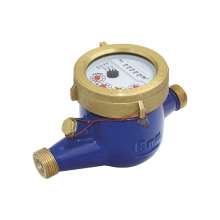
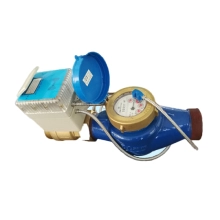
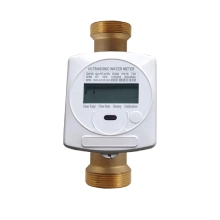
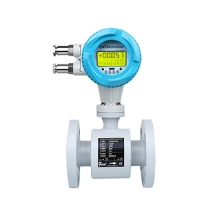
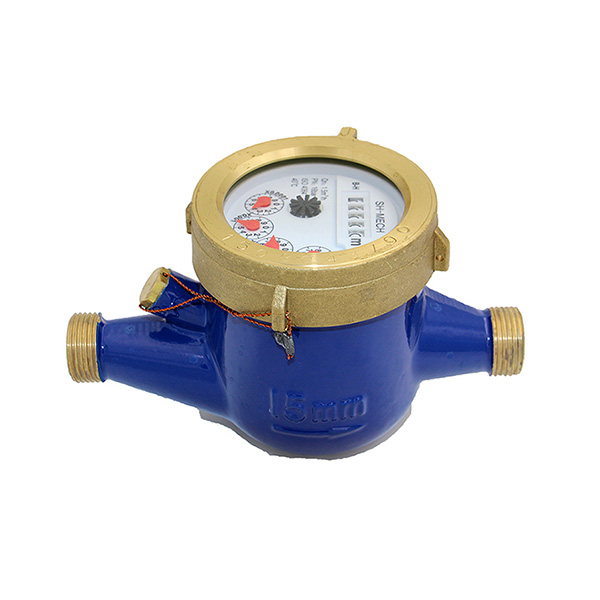
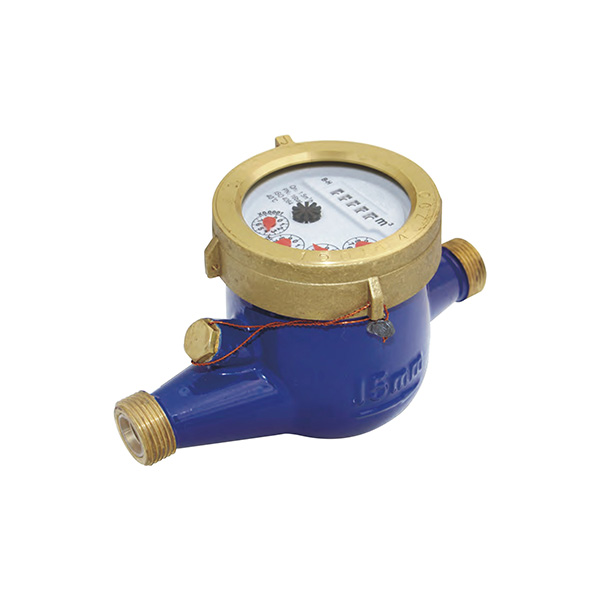
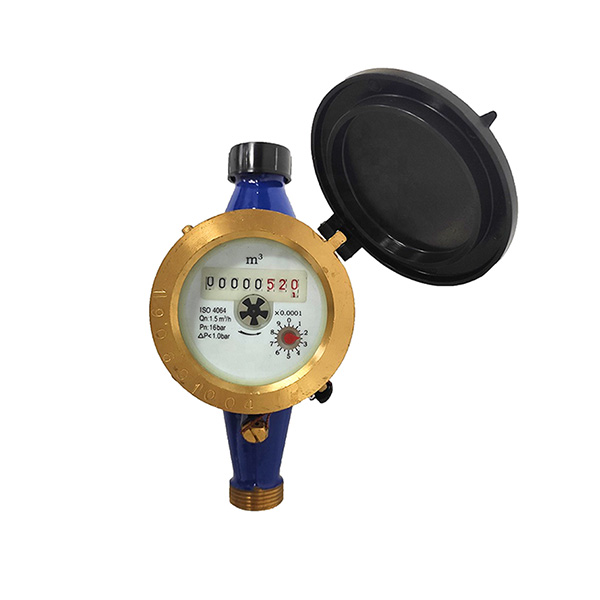
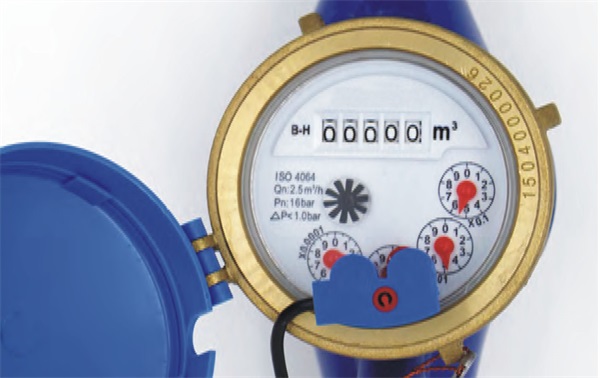
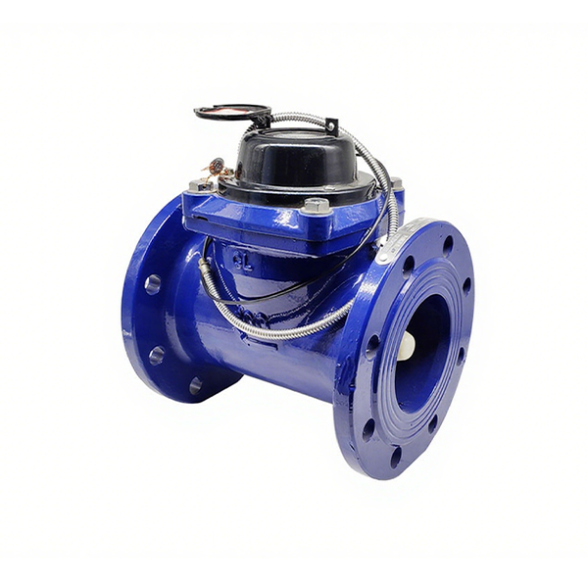
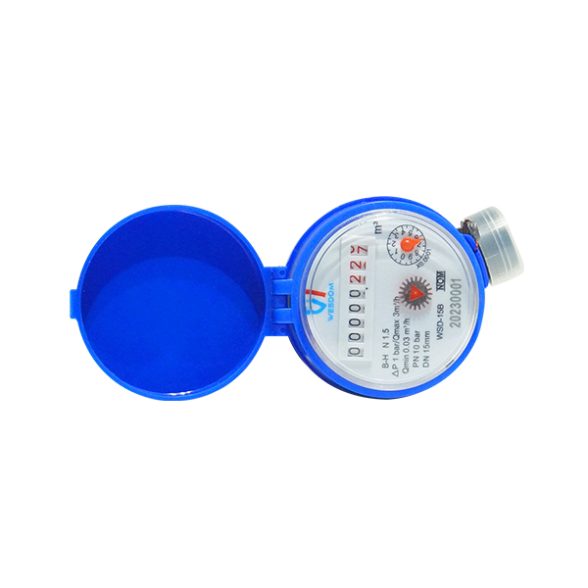
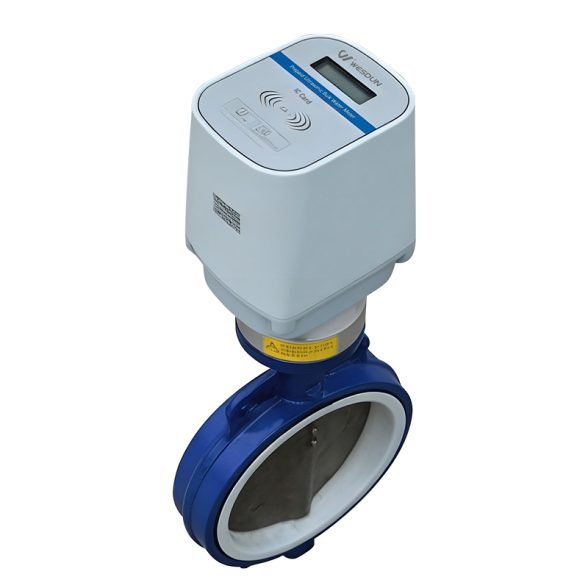
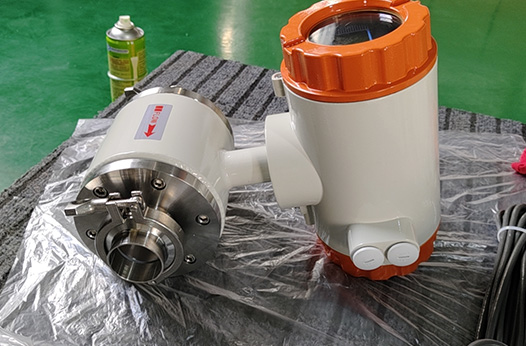
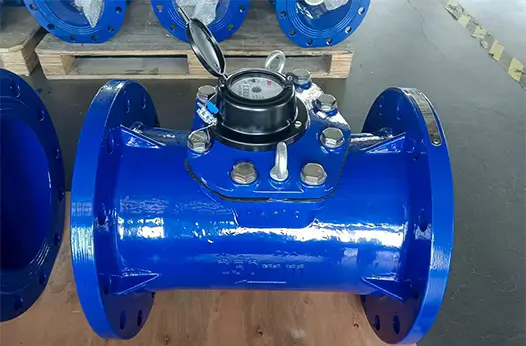
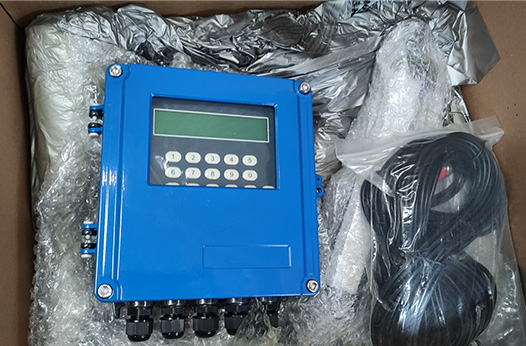
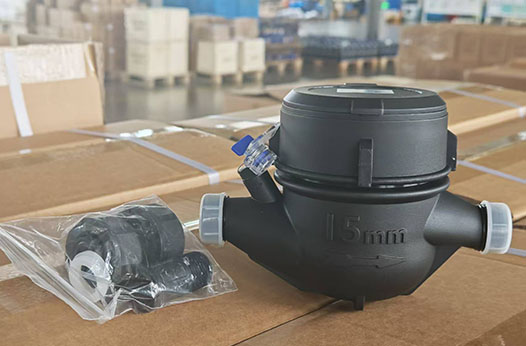
This Multi-jet brass body water meter is a flow meter used to measure the total volume of water flowing through the tap water pipe, It can be equipped with remote transmission.WESDUN MULTI-JET cold (hot) dry-dial Brass body water meteris Multi-jet brass body water meter;Dry-dial brass water meter
Several lengths and connections available on request.
Thread end type: BSP/NPT.
Selection/ installation and Use
You should determine the type, metering characteristics, and caliber of the water meter based on the working conditions of the water supply facility. Its expected flow rate should be compatible with the Q1 to Q3 flow rates of the water meter.
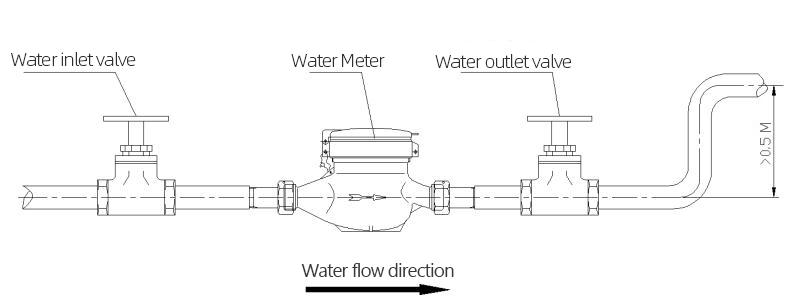
Install the water meter according to the instructions on the dial: “H” indicates horizontal installation, “V” indicates vertical installation, and ensure that the arrow on the meter case aligns with the direction of water flow in the pipeline.
Install plugs or stop valves upstream and downstream of the water meter, install straight pipe sections of sufficient length and the same diameter according to the requirements of U10, D5 (10DN, 5DN) to ensure accurate measurement.
If necessary, install a filter between the upstream valve and the straight pipe section, and install a check valve between the downstream straight pipe section and the valve.
Protect the water meter from damage caused by impact and vibration in the surrounding installation environment.
Avoid excessive stress on the water meter caused by pipes and fittings. If necessary, install the water meter on a base or bracket. Properly secure the upstream and downstream water pipes to ensure that no part shifts due to water thrust when you remove the water meter or disconnect one side.
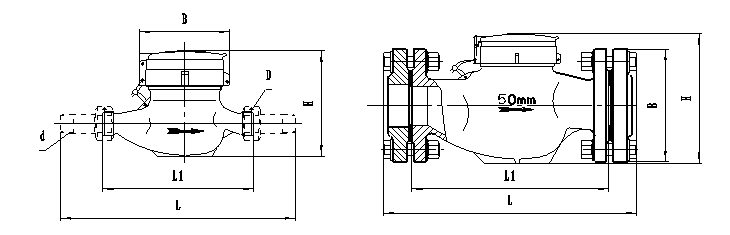
The pipe installation should leave the necessary length for the water meter connection. When the distance between the pipes at both ends exceeds the length of the water meter, adjust the pipe spacing to match the water meter connection length. Otherwise, if the distance is too small, forced installation may cause the threaded connection ends, pipe joints, connection nuts, or flanges to break or become damaged, making installation impossible. If the pipes at both ends of the water meter do not align on the same axis, use appropriate methods to correct them and ensure proper alignment that meets the installation requirements; otherwise, the same damage may occur. To compensate for length errors during installation and to facilitate disassembly and reassembly, use an expansion joint of the corresponding caliber downstream of water meters with Q3 ≥ 16 m³/h.
Flush the pipe before installation to prevent stones, sand, and other debris in the pipe from entering the water meter.
To ensure long-term operation, keep the water meter filled with water at all times. It is recommended that the water outlet be more than 0.5 m higher than the water meter.
Measures should be taken to prevent adverse hydraulic conditions (cavitation, surge, water hammer) from damaging the water meter.
The water meter must remain protected from exposure and freezing, and people should take anti-freezing measures during freezing conditions. Protection should also prevent damage from corrosion caused by the external environment.
During long-term use, users should periodically calibrate water meters according to local requirements. If debris, rust, or other sediments in the pipe block the water filter and affect accurate measurement, the designated department must recalibrate the water meter. Users must not repair water meters without authorization.