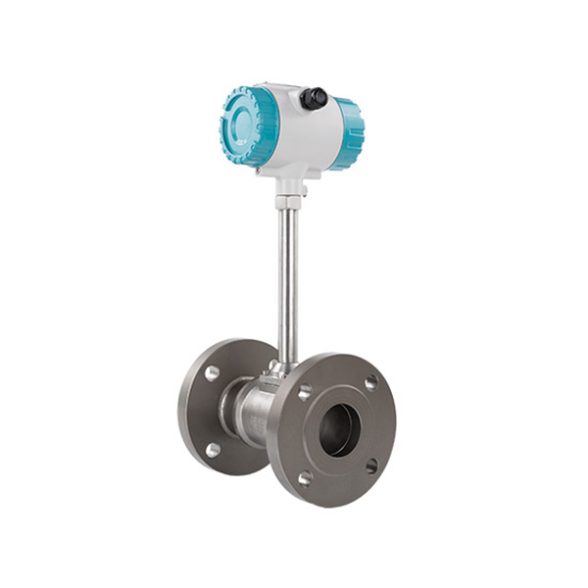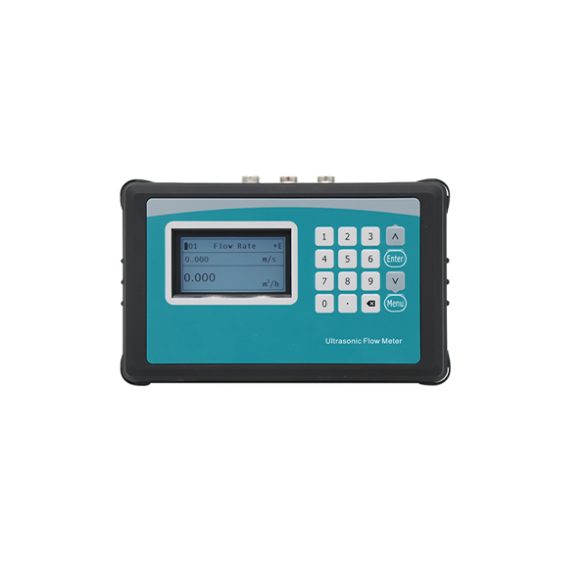
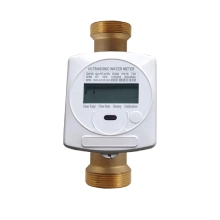
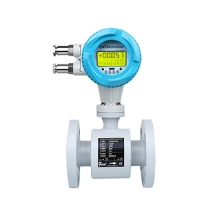
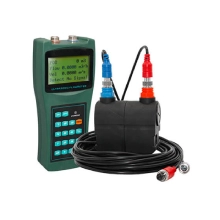
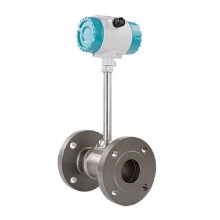
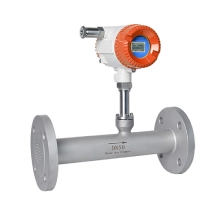
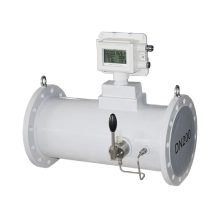

Variable Area Flowmeter, commonly called rotameters, are cost-effective industrial flow measurement tools. The flow meter see wide use in general industrial and process systems. They feature a simple mechanical structure. This instrument deliver reliable measurement for liquid, gas, and low-pressure steam flow. They operate without the complex sensors used by electromagnetic or differential pressure flowmeters.
These flowmeters adopt a simple structural design. Even so, many users encounter operational problems after installation. Typical issues include inaccurate readings, short service life, and frequent equipment failures. Most of these problems stem from incorrect model selection, not poor product quality. Proper Variable Area Flowmeter selection requires matching fluid properties, working conditions, and installation requirements. This guide shares clear selection steps to help you pick the ideal model for your application.
1. Working Principle of Variable Area Flowmeters
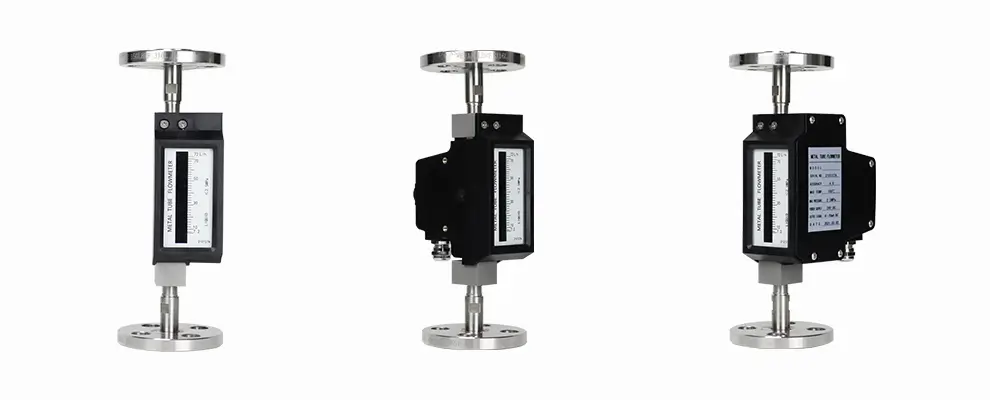
A standard Variable Area Flowmeter consists of three core components: a vertical tapered tube, a movable float, and a calibrated scale. Process fluid flows upward through the tapered tube. Rising flow velocity lifts the floating component inside the tube. The float stays stationary once fluid lift balances its own gravity. Its fixed position clearly indicates the real-time flow rate on the calibrated scale.
Two key rules govern the normal use of these flowmeters. Standard models require strict vertical installation. Measurement accuracy fluctuates with changes in fluid density, viscosity, temperature, and pressure. Familiarizing yourself with these core traits helps you complete accurate and reliable model selection.
2. Core Process Parameters for Selection
Matching on-site process parameters is the most critical step in flowmeter selection. This step effectively prevents measurement errors and unexpected equipment damage. You only need to focus on the four core factors explained below.
2.1 Fluid Medium
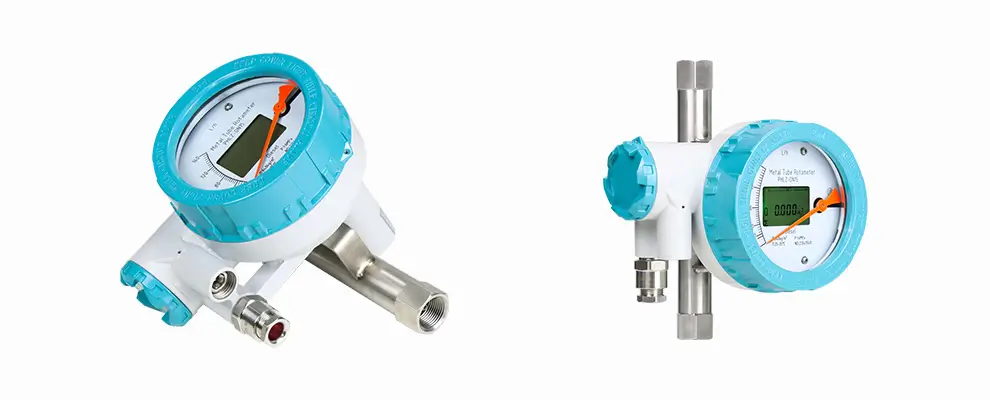
Variable Area Flowmeters fit most clean liquid and gas media. You can select low-cost glass tube rotameters for transparent media such as water and air. These models support convenient direct visual reading. Opaque, turbid, or corrosive media require metal tube Variable Area Flowmeters. These metal versions adopt magnetic induction transmission for stable data reading. We do not recommend these flowmeters for media with solid particles. Solid particles will jam the float and scratch the tube’s inner wall.
2.2 Temperature and Pressure
Glass tube rotameters only adapt to low-temperature and low-pressure working environments. Their maximum sustainable working temperature is 120°C. You must use all-metal Variable Area Flowmeters for high-temperature and high-pressure working scenarios. Gas flow measurement is highly sensitive to on-site pressure changes. Pressure fluctuations shift gas density and cause obvious measurement errors. High-pressure gas applications exclusively require pressure-calibrated models.
2.3 Flow Range
Follow this universal industrial rule for flow range selection. Maintain normal operating flow between 40% and 70% of the full-scale range. Flow below 30% of full scale causes noticeable low-flow reading errors. Continuous operation above 80% of full scale accelerates internal component wear. It also produces unstable readings during flow fluctuations.
2.4 Fluid Viscosity
Variable Area Flowmeters have strict viscosity limitations. High-viscosity fluids generate extra resistance against the internal float. This disrupts the internal force balance and causes measurement deviations. Standard models only work for low-viscosity, clean process fluids. Medium-viscosity media require specially customized viscosity-compensated floats. These flowmeters are completely incompatible with high-viscosity fluids.
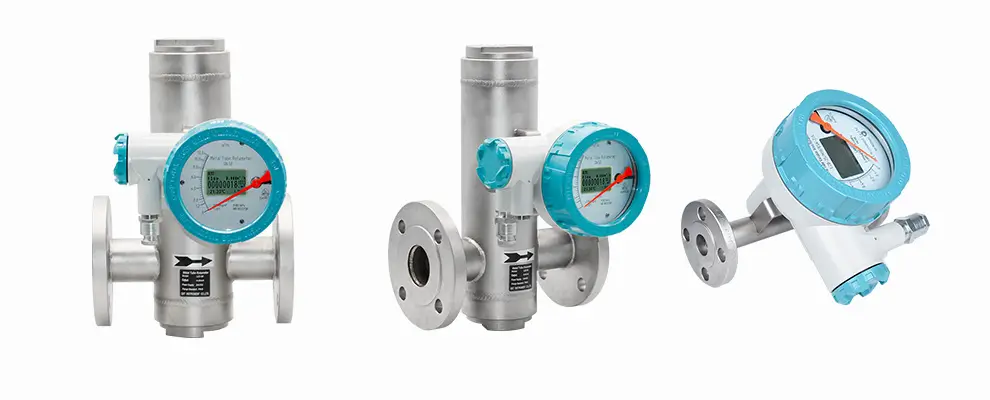
3. Wetted Material Selection (Corrosion Compatibility)
Wetted components include flow tubes, floats, and sealing parts. These parts make direct and continuous contact with process media. Reliable chemical compatibility prevents component corrosion, aging, and medium leakage. Manufacturers design and configure targeted material combinations for different working scenarios.
3.1 Tube Materials
Borosilicate glass: This material features low cost and high light transmittance. It works perfectly for clean, non-corrosive media under standard temperature and pressure. It cannot withstand harsh industrial working conditions.
Stainless steel: This material resists high temperature, high pressure, and mechanical impact. It suits opaque and harsh process media for industrial use. And supports remote signal transmission. It does not offer on-site visual reading functions.
PP/PTFE plastic: This material delivers excellent acid and alkali corrosion resistance. It has relatively low mechanical strength. It only applies to low-temperature and low-pressure chemical application scenarios.
3.2 Float and Seal Materials
We equip stainless steel floats for conventional industrial media. A apply titanium alloy floats for corrosive process media. We select EPDM O-rings for general fluid sealing tasks. We adopt Viton or PTFE seals for organic solvents and strong oxidizing media. These targeted material choices effectively prevent component aging and medium leakage.
4. Functional and Output Matching
You can select appropriate Variable Area Flowmeter models according to your on-site monitoring and automation requirements.
Local indication models: Most of these models are glass tube rotameters. They only provide on-site scale readings without power supply or signal output. And fit laboratory testing and small-bore pipeline monitoring. They work well for simple, low-budget measurement tasks.
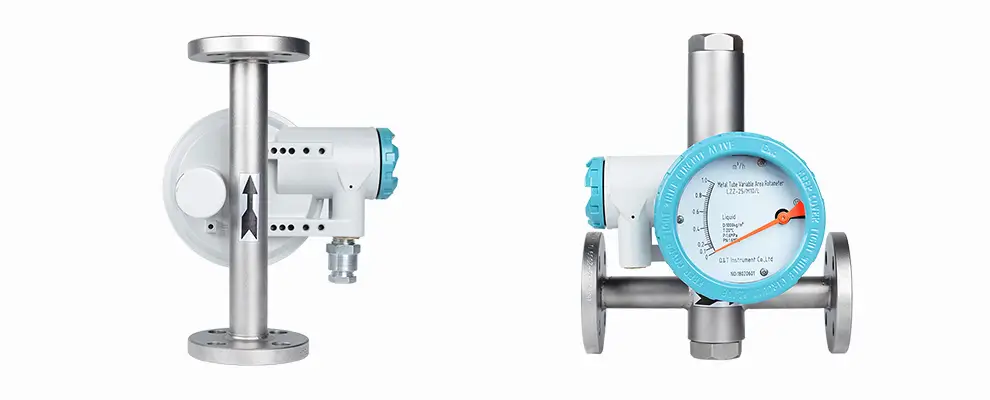
Remote transmission models: These are metal tube Variable Area Flowmeters. They support 4-20mA, HART, and Profibus signal output. The flow meter enable remote data transmission and DCS system connection. They provide optional explosion-proof versions for flammable and explosive hazardous areas. They match automated production lines that require complete data traceability.
5. Installation and Environmental Requirements
Standard Variable Area Flowmeters require vertical installation. Process fluid flows upward from the bottom inlet to the top outlet. You can choose customized horizontal models if your pipeline installation space is limited. You must reserve straight pipe sections upstream and downstream of the flowmeter. This eliminates flow turbulence and preserves measurement accuracy.
Avoid installing glass tube models in vibration-intensive working sites. Continuous vibration will crack the glass tube and damage the equipment. You need fully enclosed metal protective housings for harsh working sites. These sites include humid, dusty, and corrosive industrial environments.
6. Common Selection Mistakes to Avoid
Make sure to avoid these four common selection mistakes. First, do not skip working condition calibration. Manufacturers calibrate standard models with pure water and air. Non-standard pressure and density conditions require customized calibration. Second, avoid over-sizing the flow range. Oversizing lowers daily measurement precision. Third, do not ignore pipeline pressure drop. Excessive pressure drop can disrupt low-pressure pipeline system operation. Fourth, do not prioritize temperature and pressure tolerance over corrosion resistance. This error leads to premature component failure.
7. Quick Selection Checklist
Verify the following key criteria before confirming your final flowmeter model.
- Confirm medium type, viscosity, and corrosiveness
- Match temperature, pressure, and pipeline size parameters
- Ensure normal flow falls within 40%–70% full scale
- Check full wetted material chemical compatibility
- Confirm signal output and explosion-proof requirements
- Adapt model to installation mode and on-site environment
Conclusion
Variable Area Flowmeters deliver stable, cost-effective flow measurement for diverse industrial applications. Accurate model selection depends on full matching of actual process conditions, not over-specifying equipment parameters. You can pick durable, high-precision models through simple systematic evaluation. You only need to check fluid properties, working parameters, material compatibility, and functional demands. This simple method effectively reduces measurement errors and daily maintenance costs. Consult professional manufacturers for customized solutions for special harsh working conditions.