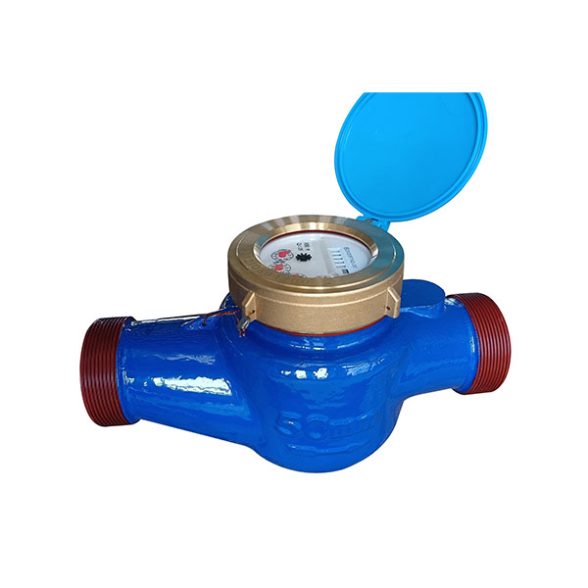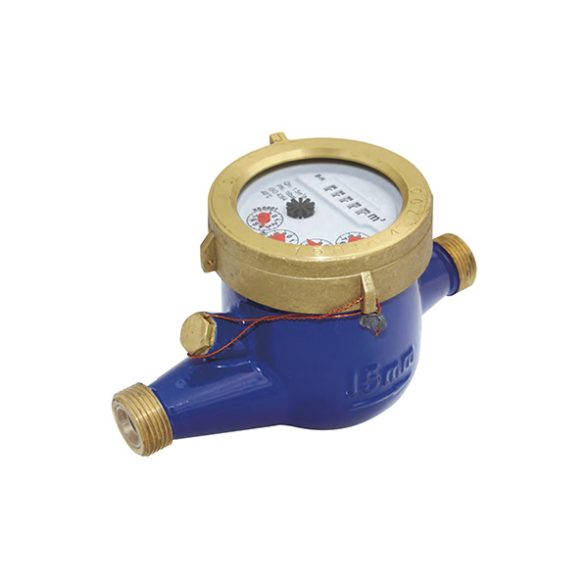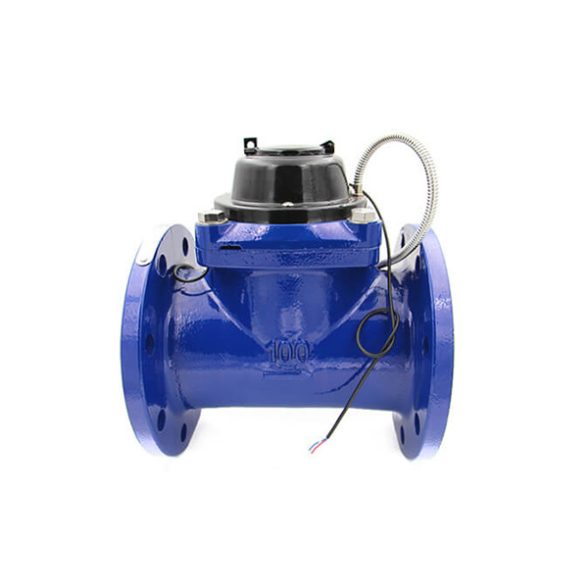
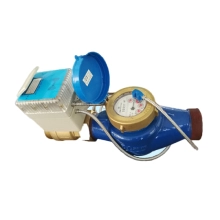
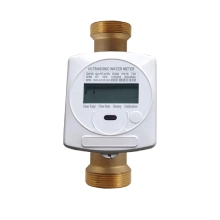
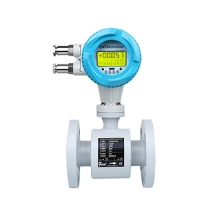
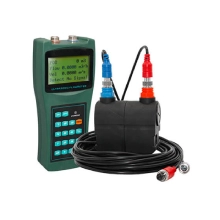
Prepaid water meters are a transformative solution for global water scarcity. Traditional postpaid water meters can no longer meet modern water management needs. These smart devices change how utilities and users handle water usage and billing. They work for homes, businesses and industrial areas worldwide.
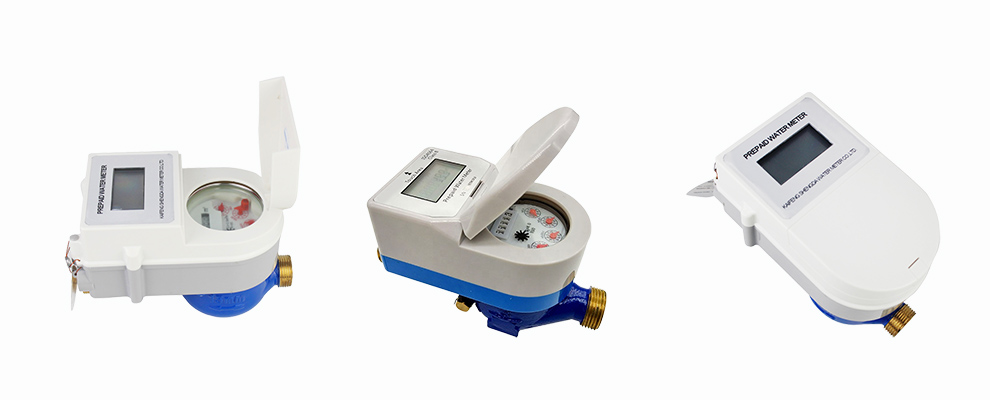
What Are Prepaid Water Meters
Prepaid water meters are advanced electronic devices. They follow a “pay-first, use-later” model, just like prepaid mobile phones. Traditional analog meters rely on manual readings and bill after use. But prepaid water meters have electronic parts. These parts monitor water usage in real time and control it accurately. Users buy water credits in advance through multiple channels. The credits are uploaded to the meter and turned into usable water based on local prices. When water flows, the system automatically deducts the corresponding amount from the prepaid balance.
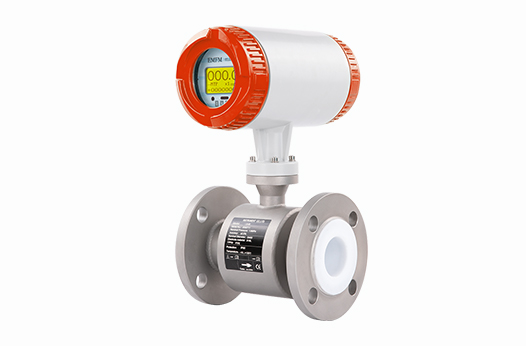
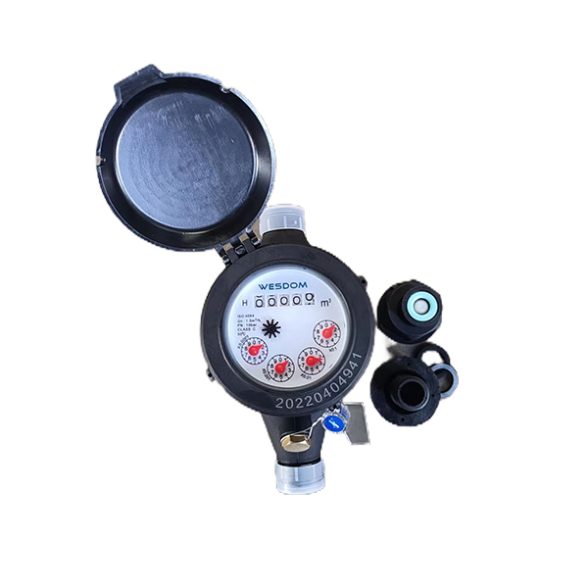
Most water meters have a clear electronic display. It shows remaining water volume and usage data. High-end models have extra features, such as remote monitoring and low-balance alerts. For water utilities, they make billing easier and reduce extra work. For users, they avoid unexpected high bills from estimated readings or meter tampering. Businesses and property managers also benefit. These meters simplify water budget management and resolve cost disputes between landlords and tenants.
How Do Prepaid Water Meters Work
Prepaid water meters work on a core credit-based system. There are three simple, transparent steps. These steps ensure efficient operation for both utilities and users. This workflow is key to their wide use in modern water management.
First, users recharge water meters by buying water credits. They can use convenient channels, such as online platforms, mobile apps and local retailers. After payment, the credits turn into usable water based on the utility’s prices. Some areas have poor network connectivity. For these areas, advanced prepaid water meters use STS Token encryption. Users input a unique code manually to activate water supply. No stable network is needed.
Second, metering and balance deduction start when users begin using water with water meters. The meter has a high-precision internal part. It calculates water flow in real time. At the same time, it deducts the corresponding amount from the balance. The display updates the remaining balance continuously. This lets users adjust their water usage habits actively.
Third, automatic water cutoff is a key feature of prepaid water meters. When the balance runs out, the meter shuts off the water supply. This prevents unpaid usage. Water service resumes right after recharging. Modern prepaid water meters also let utilities monitor remotely. They send low-balance alerts to users. This avoids sudden water outages.
The Advantages of the Water Meters
Prepaid water meters bring real benefits to both water utilities and consumers. They are an essential tool for modern water management. These advantages make them widely used in water-scarce and urban areas around the world.
For utilities, they improve cash flow. They collect payments upfront. This reduces unpaid bills. Delinquent accounts are a major problem for water providers. These meters solve this problem. Research shows these meters cut arrears by up to 90%. In South Africa, arrears dropped from 30% to 2% after widespread the water meter installation. The water meter also ensure accurate measurement. They replace estimated readings with real-time data. They prevent tampering through encryption. A Kenyan study found billing accuracy rose from 72% to 99% with prepaid water meters. The collected data also helps optimize supply plans and resource allocation.
For consumers, prepaid water meters offer cost transparency and better budget control. Users can easily track their balances and water usage. This avoids unexpected postpaid bills. They only pay for the water they actually use. This ensures fairness. Additionally, prepaid water meters raise conservation awareness. Real-time usage visibility encourages users to fix leaks quickly and reduce waste. These meters also stop illegal water use. This protects users’ legitimate rights and promotes fair resource distribution.
Installation method
Proper installation is critical for prepaid water meters. It ensures accurate operation and a long lifespan. Follow these key steps closely to get the best performance:
1. Choose the right water meter model. Base your choice on the pipeline’s typical flow rate. Match the common flow, not just the diameter. This avoids measurement inaccuracies.
2. Pick a good installation location for the water meters. Keep it away from direct sunlight, freezing temperatures and pollution. In cold climates, insulate the connected pipes. Drain the water if the meter is not used for a long time.
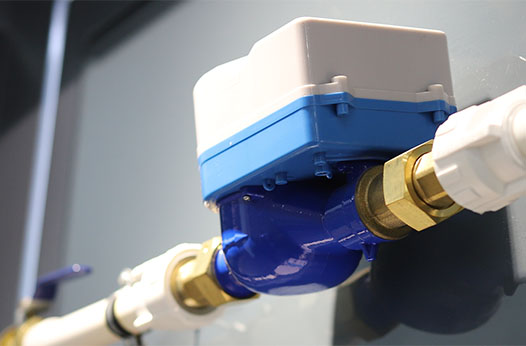
3. Install prepaid water meters horizontally. Keep the meter face upward. Thoroughly flush the pipelines before installation. This removes debris (such as stones and silt) that could cause malfunctions.
4. Note auxiliary details for the water meter installation. Install faucets higher than the meter for accuracy. Add a one-way valve on boiler inlet pipes. This prevents hot water backflow. Test the valve operation and display functionality after installation.
How To Promote Sustainable Urban Water Management
Prepaid water meters play a key role in promoting sustainable urban water management. This is especially true in water-scarce regions. Rapid urbanization and aging infrastructure cause severe water waste. In some areas worldwide, non-revenue water (from leaks, theft and inefficiency) reaches 47%.
Prepaid water meters effectively reduce this waste through real-time monitoring. They let utilities detect and repair leaks quickly. South Africa is a water-scarce country. Large-scale prepaid water meter installation there reduced water theft and optimized resource allocation. These meters also encourage responsible water use. Real-time usage tracking helps users develop water-saving habits. In Durban, South Africa,the water meters are used with tiered pricing. This ensures low-income communities can access affordable basic water. It also curbs excessive water use.
Advanced prepaid water meters (such as STS and IC card models) provide detailed usage data to utilities. This data helps with trend analysis, supply optimization and science-based pricing. Encrypted transmission and one-meter-one-card management make the system more secure and reliable. Overall, the water meters drive the shift to smarter, more sustainable urban water management. They lay a solid foundation for long-term water resource protection.