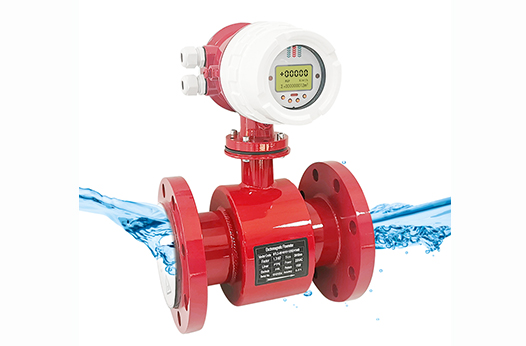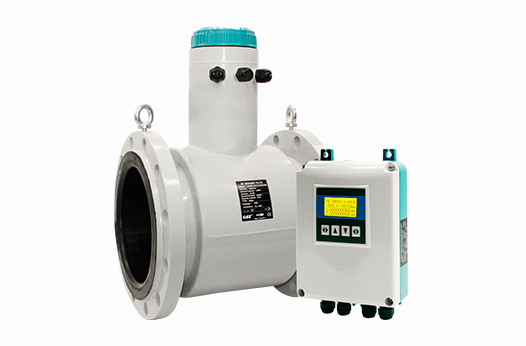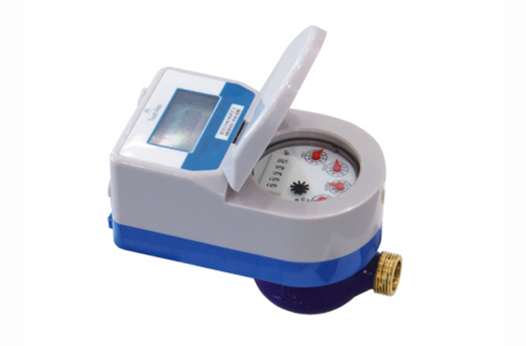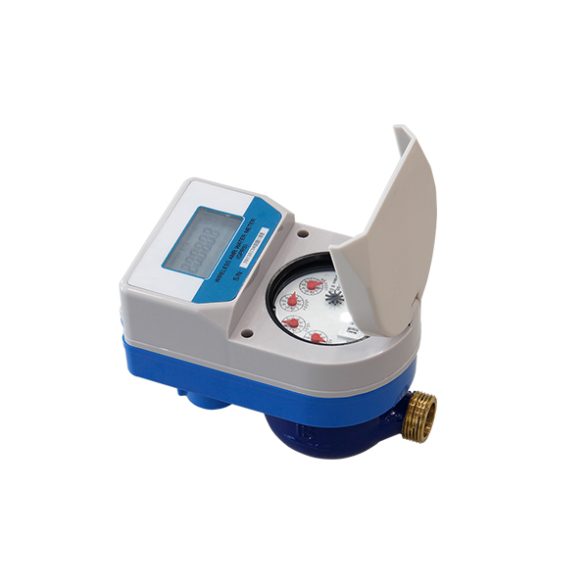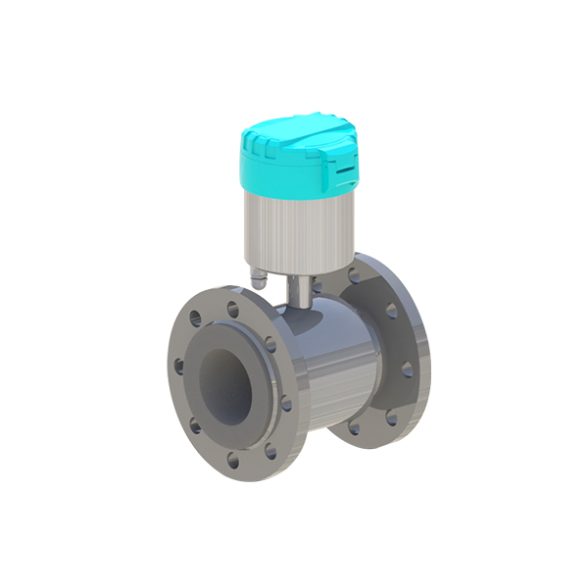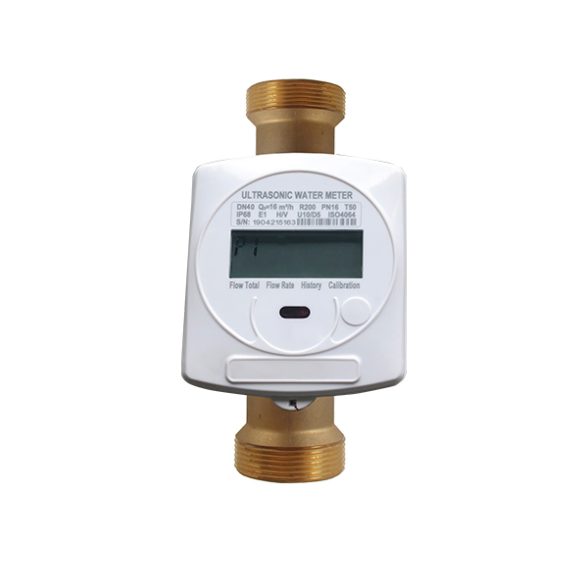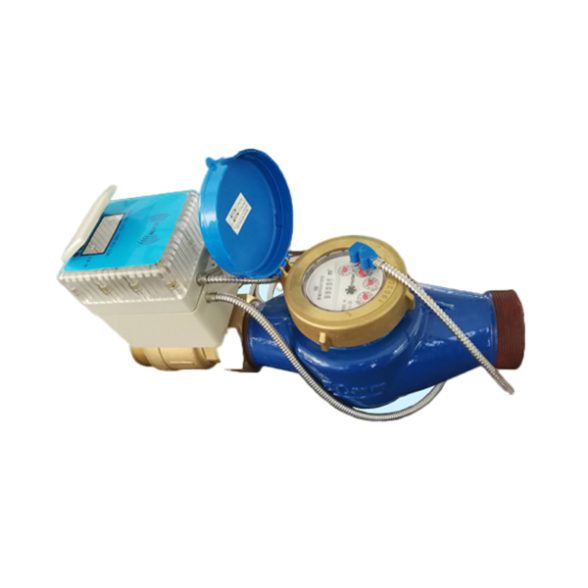
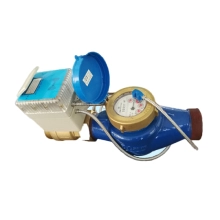
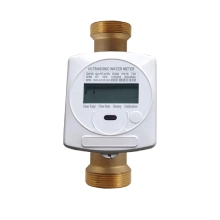
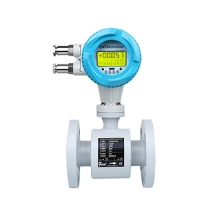
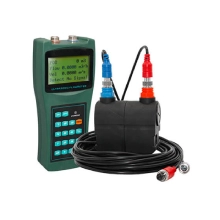
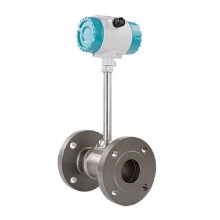
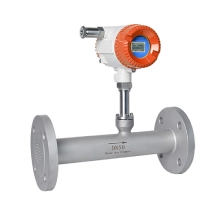
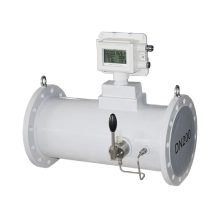

What Is an Ultrasonic Flow Meter?
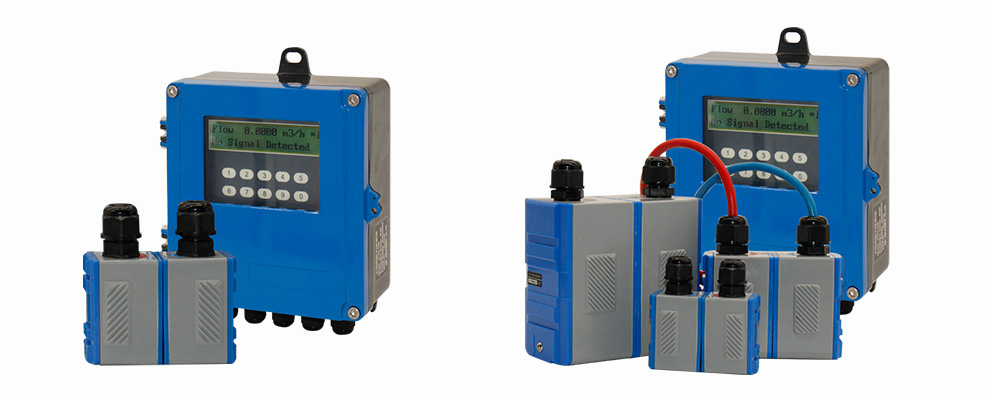
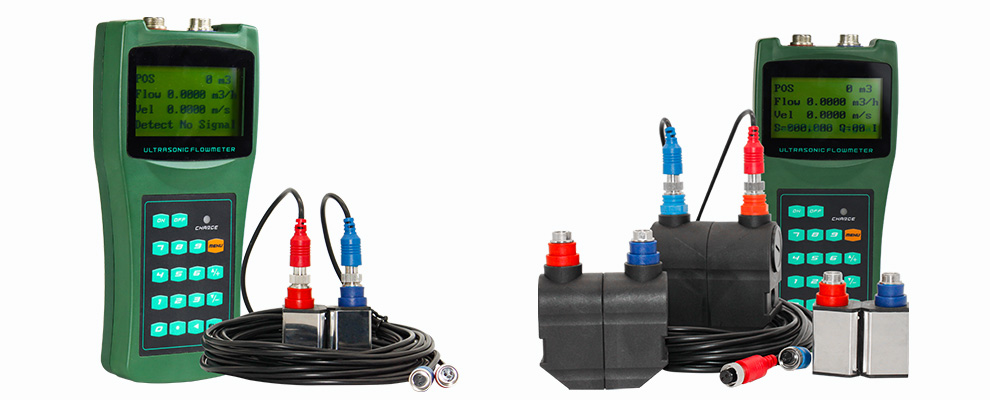
Ultrasonic flow meters are precision tools that measure fluid flow in pipelines using high-frequency sound waves.
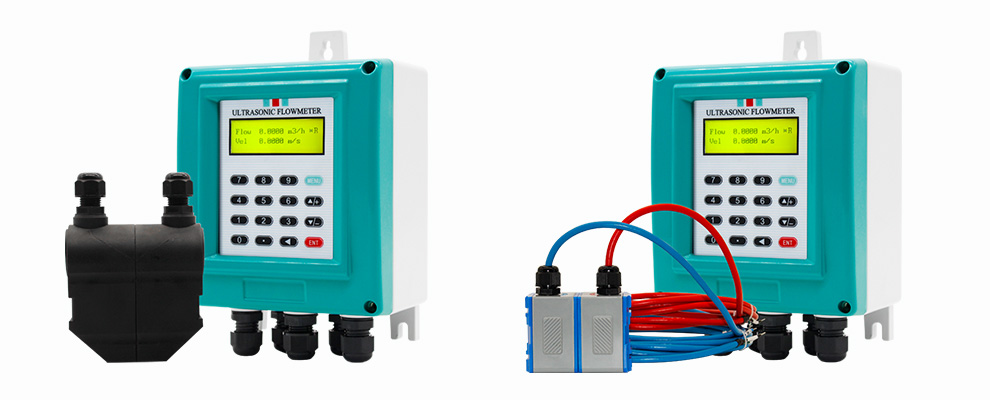
They work by sending ultrasonic signals between two transducers. The time it takes for waves to travel with and against the flow reveals fluid velocity, which is converted to exact flow readings.
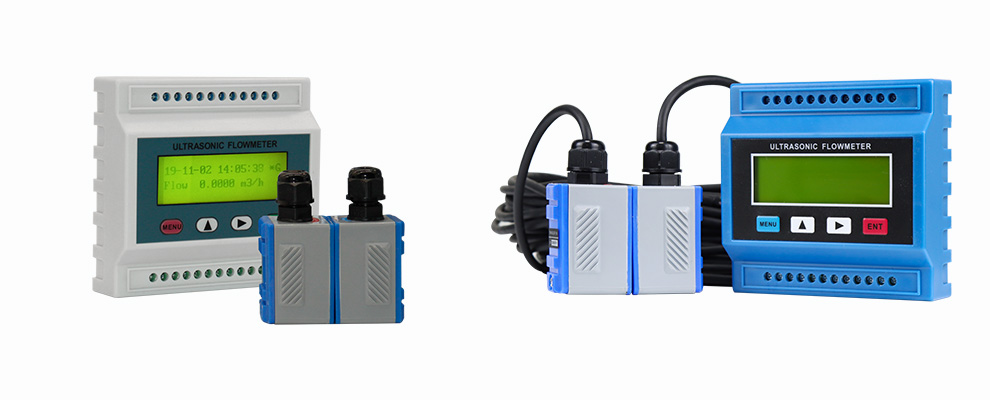
Unlike old mechanical flow meters, they have no moving parts. Most models are clamp-on, plug-in or inline — no pipeline cutting or process shutdown needed for installation.
These meters deliver reliable accuracy (usually ±1% margin) and work with nearly all pipe materials and fluids. That includes clean water, chemicals, and even wastewater with light suspended solids.
They create zero pressure drop, cut down on wear-related breakdowns, and track bidirectional flow. Built to handle extreme temps, pressures and harsh environments, they’re the go-to choice for modern, low-maintenance flow monitoring worldwide.
Why Ultrasonic Flow Meters Matter Across Industries
Ultrasonic flow meters are non-negotiable for efficiency, compliance and safety across key industries. They drive data-backed decisions and cut operational costs every single day.
Water & Wastewater Management
They monitor municipal water distribution, spot pipeline leaks in real time, and track sewage flow to meet strict environmental rules.
Their non-intrusive design avoids contamination and stands up to corrosive wastewater. This reduces water waste and costly infrastructure repairs for cities globally.
Oil & Gas
Precision flow measurement is critical for trade settlements, pipeline safety and resource allocation.
These meters perform well in high-pressure, high-temperature conditions, eliminate leak risks, and ensure fair deals. They also catch abnormal flow that signals pipe damage or theft.
Chemical & Pharmaceutical Manufacturing
They keep process ratios tight for consistent product quality and GMP compliance. They handle corrosive fluids with zero cross-contamination risk.
Food & Beverage
They meet strict hygiene standards, measure ingredient flow accurately, and support clean-in-place (CIP) protocols for food safety.
HVAC & Power Generation
They optimize chilled water and steam flow, boost energy efficiency, and prevent equipment overheating. This slashes operating costs for commercial and industrial facilities.
Most Common Ultrasonic Flow Meter Problems
Even tough ultrasonic flow meters run into recurring issues. Most stem from bad installation, environmental interference or skipped maintenance.
1. Inaccurate Readings
This is the top complaint by far.
Causes include poor placement (too close to valves/elbows), pipe sediment, wrong input settings (like mismatched pipe diameters), temperature drift and expired calibration.
Nearby electrical machinery also causes electromagnetic interference, making readings totally unreliable.
2. Signal Loss or Weak Signal
This leads to jumpy readings or full data outages.
Blame worn coupling agents, dirty/deflected probes, damaged cables, or pipe rust/paint blocking sound waves. Partially filled pipes or unstable flow also severely weaken signals.
3. Power & Display Failures
Symptoms: blank screens, backlight only, sudden shutdowns.
Root causes: voltage swings, blown fuses, unstable power supplies, or internal chip damage.
4. Unstable Readings
Readings spike and drop for no clear reason.
This is caused by pipe vibration, turbulent flow, two-phase flow (gas mixed in liquid), or nearby flow-disrupting equipment.
Less common issues: temperature drift (no fluid temp compensation) and probe alarms (dirty probes or clogged impulse lines).
How to Diagnose Ultrasonic Flow Meter Faults
A step-by-step check finds the root cause fast — no guesswork, no wasted repairs.
Step 1: Basic Visual Inspection
Look for dirty, cracked or misaligned transducers.
Check cables for cuts or loose connections.
Scrape rust/paint off pipe surfaces, and confirm the pipe is full.
Rule out closed valves or pipe blockages that falsely show a “zero flow” reading.
Step 2: Test the Power Supply
Verify voltage matches the meter’s rated specs.
Check for blown fuses, and replace dead batteries in wireless models.
Use a multimeter to spot voltage fluctuations or electrical noise from nearby equipment.
Step 3: Check Parameters & Calibration
Confirm pipe diameters, fluid type and installation settings match field conditions.
Run a zero-flow test to catch calibration drift.
Check signal strength — aim for above 3% for stable readings.
Step 4: Advanced Signal & Environment Checks
Use the meter’s diagnostic tools to test waveform stability.
Temporarily move probes to test for electromagnetic interference.
Check for pipe vibration or two-phase flow issues.
Review error codes and system logs to spot repeated faults.
Cross-check readings with a calibrated reference meter for full validation.
Proven Solutions to Common Faults
These targeted fixes resolve most issues quickly — plus simple steps to stop problems from coming back.
Fix Inaccurate Readings
Reposition the meter to meet straight-pipe rules: 10D upstream, 5D downstream (30D away from valves).
Calibrate annually against a reference standard.
Fix wrong input parameters, and add temp sensors for drift compensation.
Install flow conditioners to calm turbulent flow.
Restore Signal Strength
Clean probes thoroughly (once a year is recommended).
Reapply fresh coupling agents to eliminate air gaps.
Realign deflected probes, polish pipe surfaces, and replace damaged cables.
Move probes away from elbows or weld seams for better signal transfer.
Fix Power & Display Problems
Use a stable power source (UPS or voltage regulator) and add surge protection.
Standardize grounding to reduce electromagnetic interference.
Replace blown fuses or dead batteries.
For chip-related display failures, send the meter back to the manufacturer for professional repairs.
Stop Unstable Readings
Mount the meter away from vibrating machinery.
Fix two-phase flow issues, and use shielded cables to block interference.
For probe alarms: clear clogged impulse lines with air blowing or electric tracing, and stick to regular probe cleanings.
Quick Preventive Maintenance Tips
Monthly visual checks, quarterly signal tests and annual calibration extend the meter’s lifespan and reduce breakdowns drastically.
Always follow the manufacturer’s installation and upkeep guidelines for consistent, trouble-free performance.
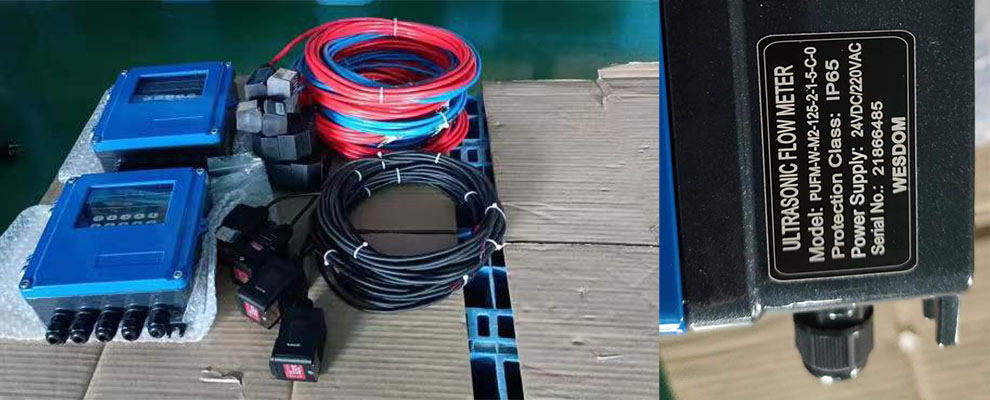
WESDUN’s Ultrasonic Flow Meter are precision-engineered and rigorously tested, exceeding industry standards in performance. Each product undergoes multiple inspections to ensure flawless performance and exceptional safety.
Contact WESDUN to find the perfect flow meter solution for your needs. https://www.wesdunmeter.com/product/flow-meter/