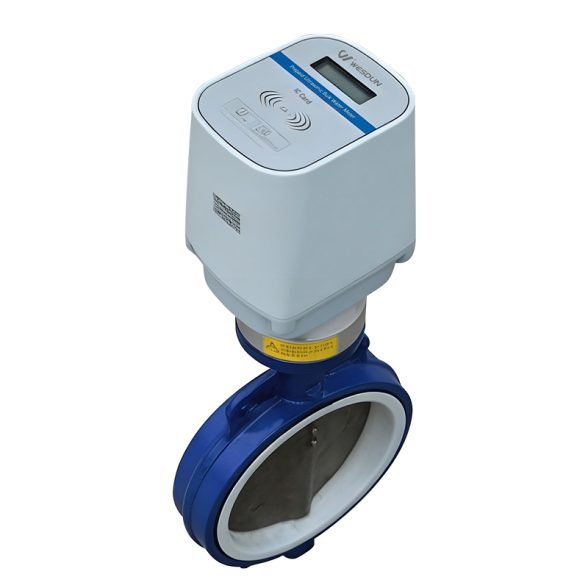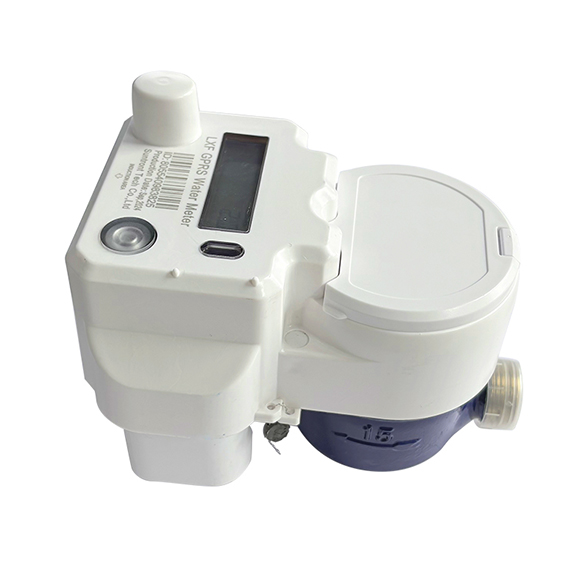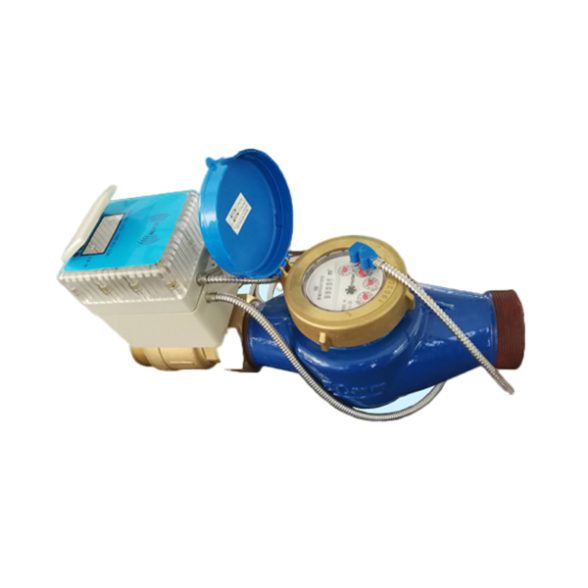
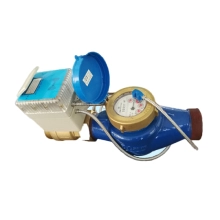
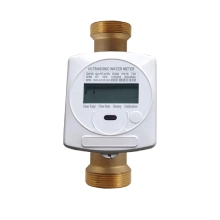
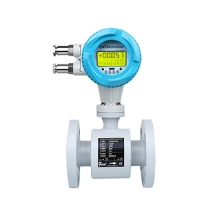
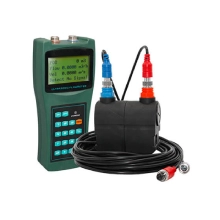

Efficient water management in apartment buildings is critical as urbanization grows and water scarcity becomes a global issue—particularly in arid regions. Traditional water management systems rely on manual meter readings, flat-rate billing, and slow leak detection. These outdated methods lead to unnecessary water waste, high utility costs, and frequent disputes between residents and property managers. Smart water meters solve these problems by providing data-driven, proactive conservation. This guide explains practical steps to use smart meters effectively in apartments, helping cut waste, reduce costs, and promote sustainability.
1. Choose the Right Smart Water Meter for Apartments
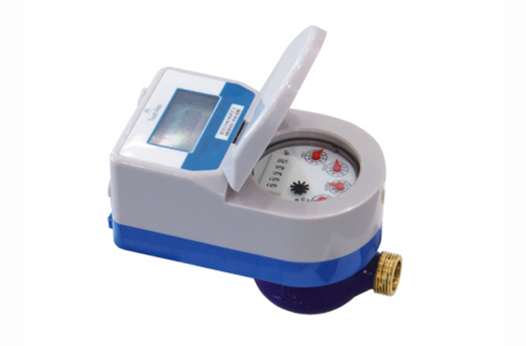
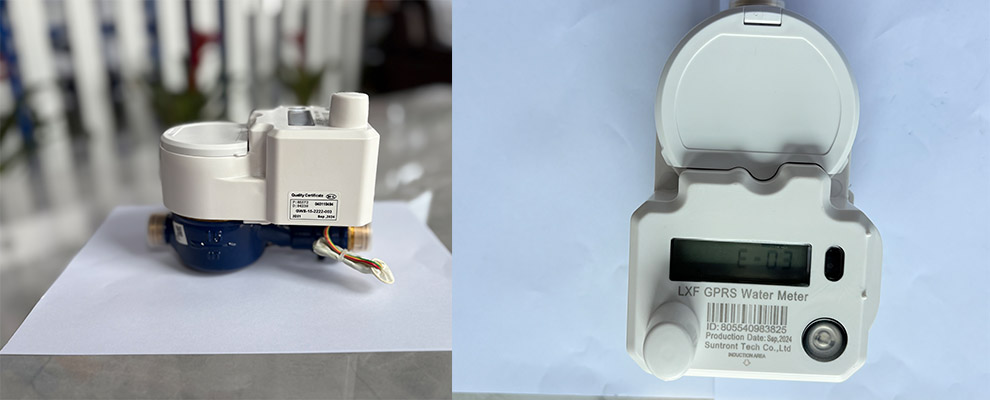
Dense multi-unit apartments require smart meters designed for their unique needs. Whether you manage a new mid-rise, an older retrofit, or a large complex, the right meter should be compact, connected, and reliable—tailored to shared plumbing and limited installation space.
Focus on these essential features when selecting a smart meter:
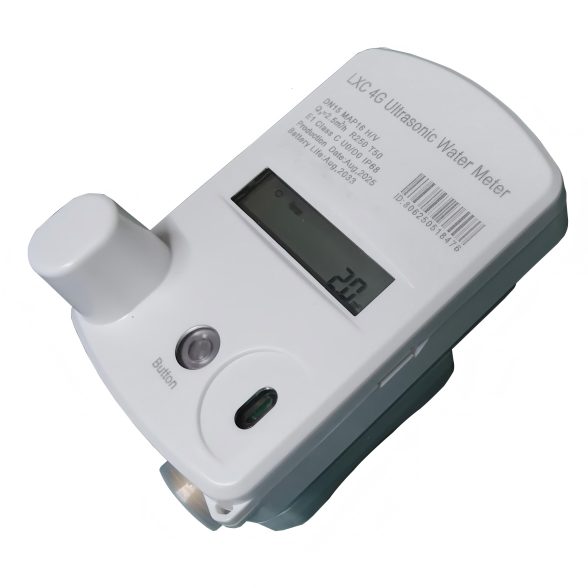
- IoT-enabled connectivity: Opt for Wi-Fi or dedicated protocols like LoRaWAN or NB-IoT. These options ensure stable data transmission without the need for complex wiring.
- High low-flow accuracy: Modern smart meters detect minimal water flow (as low as 2 L/hour), making them far more effective than mechanical meters at catching hidden leaks.
- Dual-access functionality: Property managers use a centralized dashboard, while residents track their usage via mobile apps. This level of transparency keeps everyone informed.
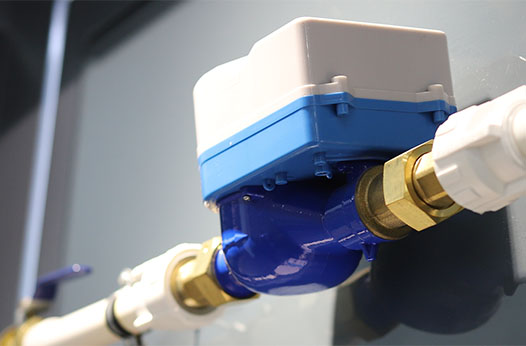
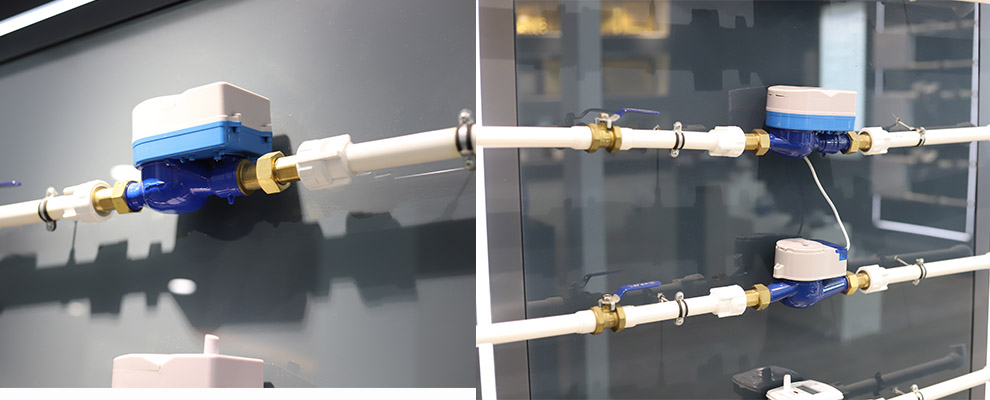
- Flexible installation: The meter should work for both main supply lines and unit-level submetering, and be compatible with both new builds and retrofits.
Avoid basic digital meters without remote connectivity. True smart meters combine precise measurement with automatic data reporting, alerts, and smart system integration—all key to achieving savings.
2. Use Real-Time Data and Alerts to Stop Leaks Early
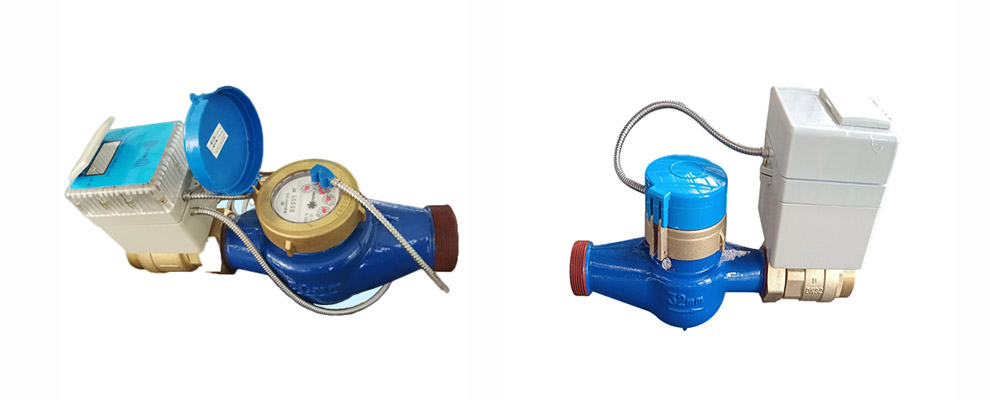
The biggest benefit of smart meters is their ability to provide real-time monitoring and instant leak detection. This is crucial for apartments, where hidden leaks can waste thousands of gallons of water and cause costly property damage before traditional meters can detect them.
Smart meters track water flow patterns and send alerts to managers and residents when they detect anomalies, such as:
- Continuous low flow (from dripping faucets or hidden pipe leaks);
- Sudden spikes in usage (indicating burst pipes or faulty fixtures);
- Unexpected water use in vacant units (a sign of undetected leaks).
A real-world example is Dubai’s DEWA (Dubai Electricity and Water Authority), which has deployed over one million smart meters citywide. These meters transmit readings every 15 minutes, saving billions of gallons of water each year. They also reduce repair costs and property damage. For managers, this eliminates time-consuming manual meter rounds and shifts maintenance from reactive to proactive. For residents, it prevents surprise high bills.
3. Implement Fair, Transparent Billing to End Disputes
Flat-rate billing is a major source of tension in apartments. Conservation-minded residents often end up subsidizing those who waste water, which fosters frustration and removes any incentive to save water.
Smart meters fix this problem with unit-level submetering, which offers three key benefits:
- Residents pay only for the water they actually use, ensuring fairness;
- Billing is automated and accurate, with no estimated charges;
- Residents can access their usage history via mobile apps, eliminating billing disputes.
This transparency alone reduces household water use by 25% to 45%, as tenants become more mindful of their consumption. Adding tiered pricing—lower rates for essential use and higher rates for excess—further boosts efficiency while reducing conflicts and administrative work for managers.
4. Traditional vs. Smart Water Meters: Key Differences
Understanding how smart meters differ from traditional ones helps justify the upgrade. Below is a clear comparison of their core features:
| Feature | Traditional Mechanical Meter | Smart Water Meter |
| Accuracy | Moderate | High |
| Data Recording | Manual only | Automatic & stored |
| Connectivity | None | IoT/Wi-Fi enabled |
| Remote Access | No | Yes (app & dashboard) |
| Leak Alerts | None | Instant notifications |
| Installation | Fixed locations | Flexible for apartments |
| Long-term Value | Low | High (savings offset cost) |
While smart meters have a modest upfront cost, their ongoing savings—from reduced water loss, lower labor costs, and fewer repairs—make them a cost-effective choice for apartments.
5. Integrate Smart Meters with Smart Home and Building Systems
Smart meters work best when integrated with other IoT devices and building management systems. This creates an automated water-saving ecosystem that cuts waste without requiring constant effort from tenants.
Key integrations for apartments include:
- Leak sensors and shutoff valves: These sync with smart meters to detect leaks and stop water flow immediately, preventing damage.
- Smart fixtures: Faucets and toilets adjust water flow based on real-time data, reducing unnecessary waste.
- Building management platforms: Dashboards aggregate data from all units, allowing managers to monitor the entire building and schedule proactive maintenance.
- Vacancy controls: Water is automatically shut off in unoccupied units, avoiding hidden leaks and wasted water.
This integration turns individual smart meters into a comprehensive, building-wide water management system.
6. Maintain and Calibrate for Long-Term Reliability
Routine maintenance and calibration are essential to ensure smart meters provide accurate data. Over time, sensors can wear down, and connectivity issues may arise—leading to data gaps or errors.
Follow these key maintenance steps:
- Annual inspections: Check connectivity, sensors, and data accuracy to catch issues early.
- Remote updates: Work with your meter provider to keep software current, ensuring compatibility and new features.
- Calibration: Schedule regular checks to keep measurements within ±0.1% accuracy.
Well-maintained smart meters remain dependable for years, delivering consistent savings.
Conclusion
Smart water meters are essential for responsible, cost-effective water management in apartments. By choosing the right IoT-enabled meter, using real-time data to stop leaks, implementing fair billing, integrating with smart systems, and maintaining equipment, property teams can drastically cut waste, lower costs, and meet sustainability goals.
In water-scarce regions and urban centers alike, smart metering transforms outdated, wasteful systems into efficient ones. For apartments, this means lower costs for residents and managers, fewer disputes, and a smaller environmental footprint—proving that every drop saved contributes to a more sustainable future. For property teams looking to implement these smart water management strategies effectively, WESDUN offers reliable, apartment-tailored smart water meter solutions. With high-precision measurement (error ≤0.5%), IoT-enabled connectivity, and flexible installation options, WESDUN’s products align perfectly with the needs outlined in this guide, backed by ISO-certified quality and proven performance with global clients.