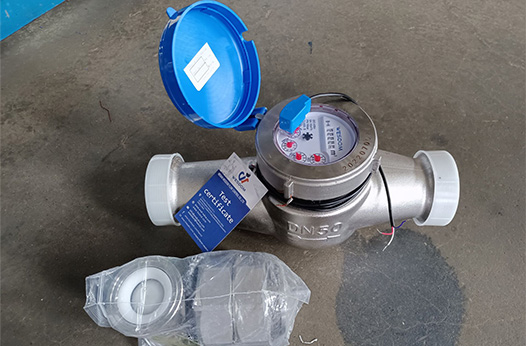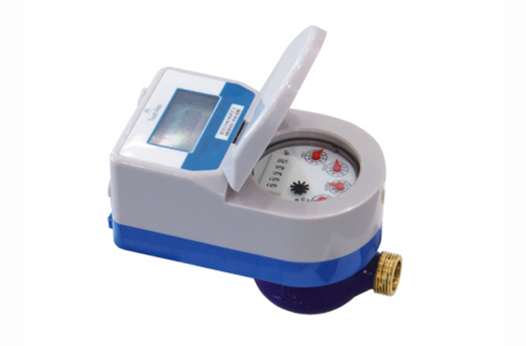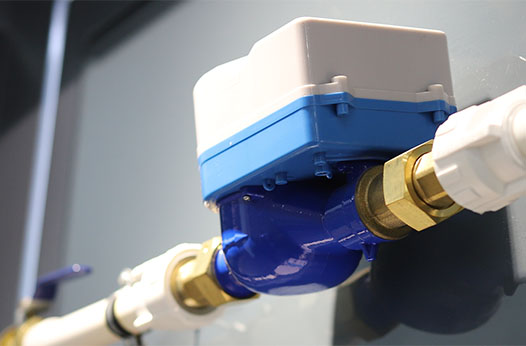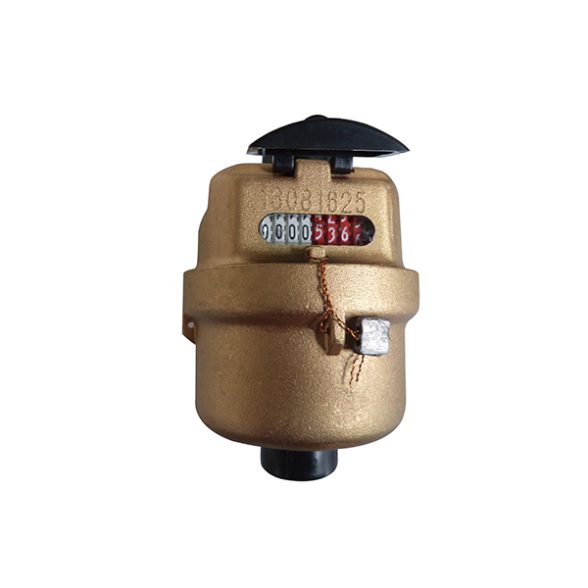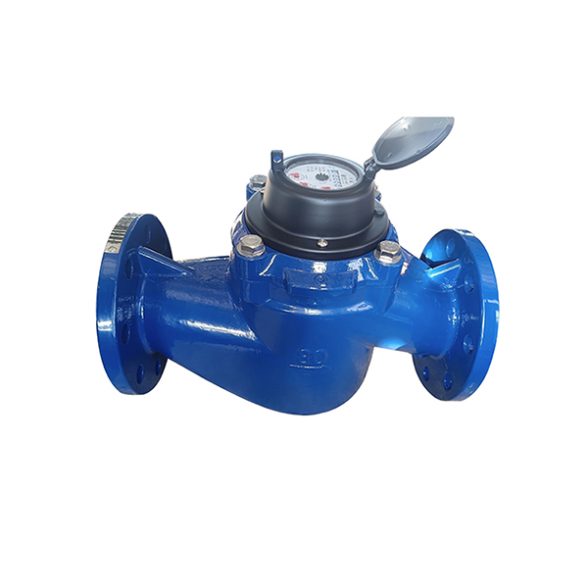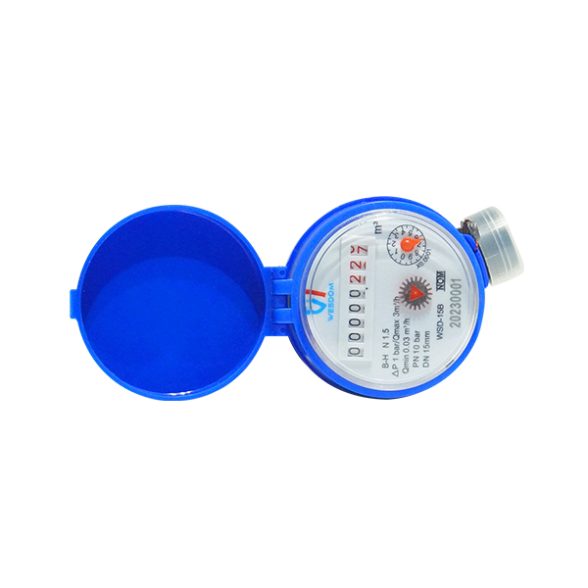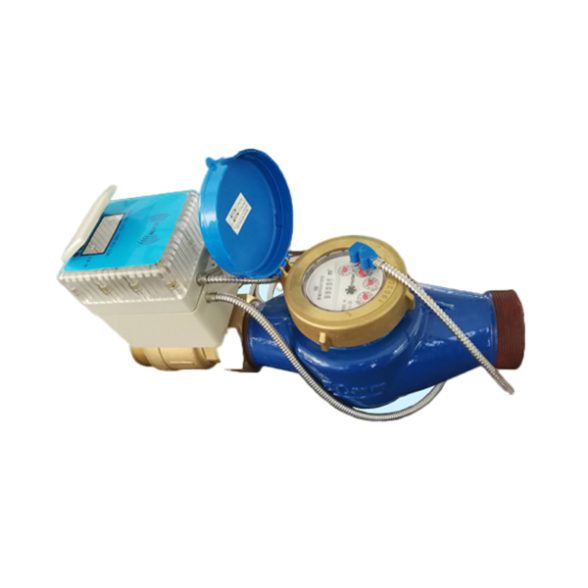
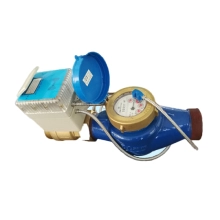
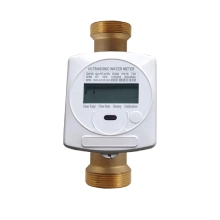
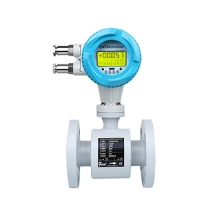
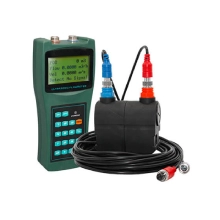
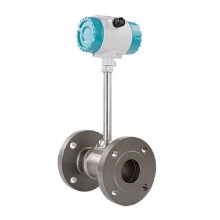
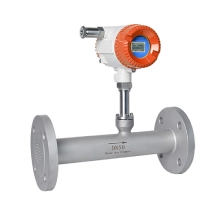
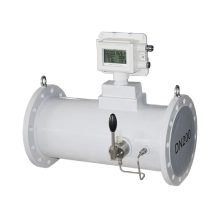

Mechanical water meters are cost-effective, durable devices that track water usage for residential, commercial, and industrial properties. They operate purely through mechanical parts, including impellers and gear sets, instead of electronic components. These precision parts wear down over time. Built-up debris, dirty water, and extreme weather conditions also interfere with normal operation. Basic, consistent maintenance keeps your mechanical water meter precise, prolongs its lifespan, and prevents inaccurate billing and premature replacement costs.
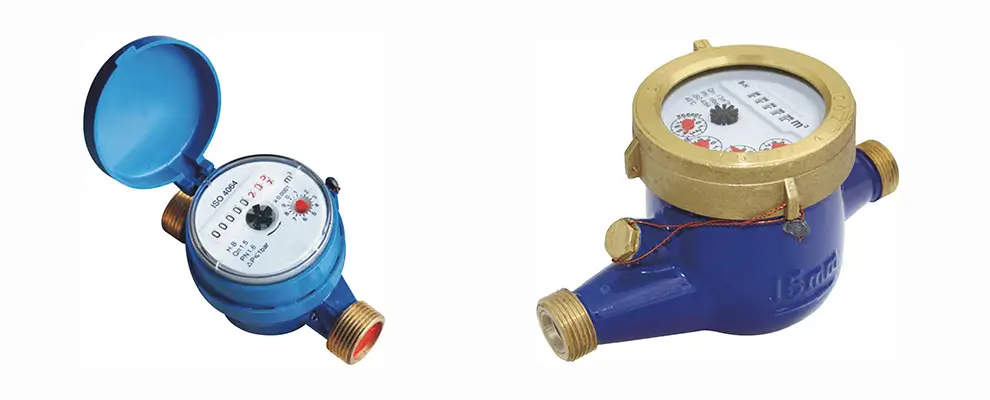
1. Keep the Meter Clean and Debris-Free
Sediment, dirt, and mud buildup inside the meter is the leading cause of inaccurate readings. Fine solid particles in running water stick to internal impellers and gears. This slows down mechanical movement and distorts flow measurements, leading to under-reading or over-reading water consumption.
Clean the meter exterior every two to three months. Use a soft lint-free cloth and clean water. Avoid stiff brushes, abrasive tools, or harsh chemical cleaners. These items scratch the meter casing and wear off the protective surface coating.
Inspect the meter’s inlet and outlet pipes on a regular basis. Clear any visible debris that blocks pipe openings. If your water supply contains high sediment levels, install a small inline filter before the meter. This simple upgrade effectively reduces internal clogging and preserves long-term measuring accuracy.
2. Inspect for Leaks and Physical Damage Monthly
Minor leaks around the meter do more than waste water. They disrupt stable water pressure and cause consistent reading errors. Fluctuating pressure interferes with the meter’s mechanical counting system, resulting in incorrect flow data.
Perform a quick visual inspection every month. Check the meter body and pipe joints for water drips, wet marks, or rust buildup. Tighten loose pipe fittings right away to fix minor leaks. Contact a licensed plumber for cracked fittings or internal meter leakage.
Protect the meter from physical impact and heavy loads. Never place heavy items on top of the meter. External shocks can bend delicate internal precision parts and cause permanent accuracy drift. Install a sturdy protective meter box if the unit sits outdoors or in high-traffic areas.
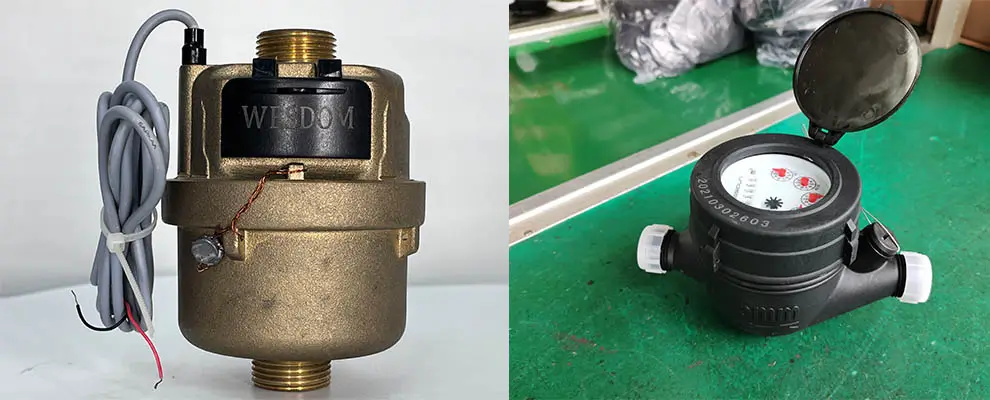
3. Prevent Extreme Temperature Damage
Extreme temperatures greatly impact mechanical water meter performance and accuracy. Freezing temperatures freeze residual water inside the meter. Expanding ice cracks internal gears and the outer meter shell. Intense summer heat accelerates aging of rubber seals, triggering slow, hidden leaks.
Wrap outdoor meters and exposed pipes with insulation materials during cold weather. Drain stagnant water if the meter will remain unused for an extended period. In hot seasons, shield the meter from continuous direct sunlight. UV rays fade meter dials and weaken the durability of internal components.
4. Follow Correct Installation and Working Conditions
Most persistent meter accuracy issues stem from improper installation, not normal daily wear. Mechanical water meters rely on stable water flow and correct mounting angles to deliver precise readings.
Mount the meter horizontally with the reading dial facing straight upward. Keep adequate straight pipe sections before and after the meter. Avoid installing meters right next to elbows, valves, and tee fittings. This setup eliminates flow turbulence and ensures steady, consistent water flow for accurate measurements.
Never disassemble or modify the meter’s internal structure on your own. Unauthorized adjustments erase factory calibration standards and create ongoing measurement errors. Always hire professional, licensed technicians for meter installation, adjustment, and maintenance work.
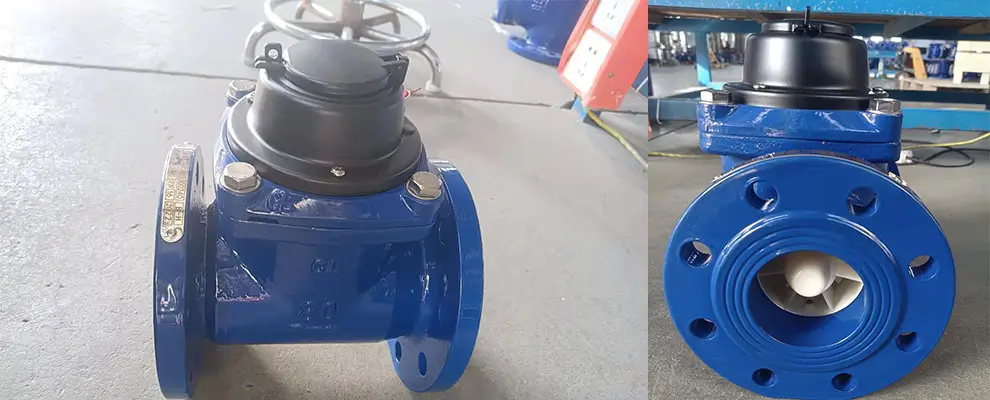
5. Conduct Regular Calibration and Timely Replacement
All mechanical water meters experience gradual component wear after long-term operation. Even with proper daily care, meters slowly lose calibration and accuracy over time. Scheduled professional calibration corrects minor deviations and restores reliable measurement performance.
Residential water meters need calibration every two to three years. Commercial and industrial water meters require annual or bi-annual calibration. These high-usage scenarios generate heavier water flow and faster mechanical wear.
Follow standard service life guidelines for timely meter replacement. Residential mechanical water meters maintain stable accuracy for 6 to 10 years. Commercial and industrial models last 4 to 6 years due to higher operating loads. Replace aging meters on schedule to avoid significant measurement errors and billing disputes.
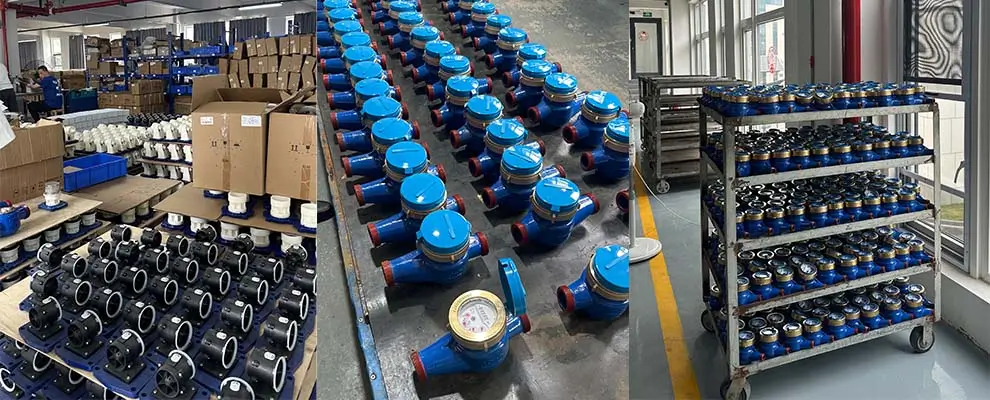
6. Track Readings to Spot Abnormal Errors Early
Regular meter reading tracking helps you detect accuracy issues early. Record your meter readings weekly or monthly. Compare new data with your typical household or business water usage patterns.
Unexplained spikes or drops in water readings, with no changes in daily water use, signal potential meter faults. Common problems include stuck impellers, clogged flow channels, and worn internal seals. Pause heavy water use and arrange professional inspection and repair immediately.
Final Thoughts
Long-term accuracy for mechanical water meters does not require complex technical work. It relies on simple, routine maintenance. Regular cleaning, leak and damage checks, temperature protection, standard installation, periodic calibration, and reading monitoring form a complete, effective maintenance routine.
These practical maintenance steps eliminate most common measurement errors, reduce water waste, and maximize your meter’s service life. A well-maintained mechanical water meter delivers stable, precise, and fair water usage readings for years of reliable operation.