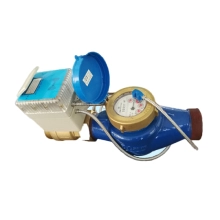
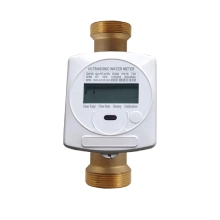
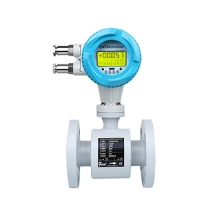
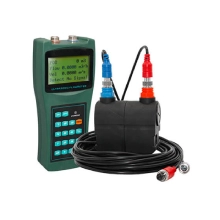

Today’s business landscape prioritizes efficiency and sustainability. Companies of all sizes are looking for smart technologies to cut operational costs and boost efficiency. Water management is critical to business operations. Controlling water expenses is becoming more important as prices rise and environmental regulations tighten. Among water management solutions, smart water meters stand out. They are core components of smart water systems and are reshaping the industry. Their unique functions help businesses lower water bills and optimize resource use. This creates a water management model that balances profitability and environmental responsibility. More enterprises are recognizing their value, making smart water meters a mainstream choice for proactive water management.
Advantages of Smart Water Meters
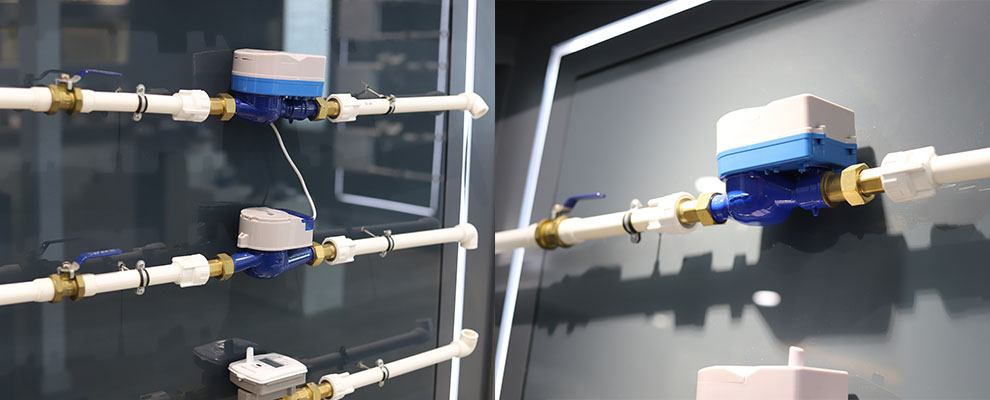
Smart water meters outperform traditional mechanical meters in several ways. First, they offer high-precision water metering. Conventional meters often have errors. These come from wear and tear or manual mistakes. Such errors lead to overpayment or underpayment. For water-intensive businesses like factories and malls, small discrepancies add up. Over time, they turn into substantial losses. Smart meters use advanced electronic sensing. This minimizes errors and ensures accurate water use recording. It also aligns bills with actual consumption.
Second, they provide real-time monitoring. Traditional meters only show monthly total usage. Smart meters track water flow nonstop. They quickly detect anomalies. These include minor leaks, clogs, or sudden consumption surges. Conventional systems often overlook such issues. Once a problem is found, the system alerts the management team via devices at once. Maintenance staff can resolve issues fast. This reduces waste from undetected leaks and avoids costly water-related damage.
Furthermore, they support remote control and software upgrades. Conventional meters need on-site visits. Staff must go there for reading, maintenance, or adjustments. Smart meters are different. Managers can access real-time data remotely. They can set consumption limits and update software via cloud platforms. This cuts time and travel costs. It is especially beneficial for enterprises with multiple water points. It also enables timely adjustments to optimize management efficiency.
Most importantly, they offer actionable data analysis. They collect daily, weekly, and monthly consumption data. This helps businesses understand usage patterns. They can identify peak periods, high-usage areas, and waste points. Enterprises use this data to make smart water allocation decisions. They eliminate unnecessary consumption and reduce long-term costs. These advantages make smart meters a cost-effective investment. They support efficient and sustainable operations.
Expanded Application Scenarios
Technology is advancing rapidly. Smart water meters are now widely used in various scenarios. They apply to manufacturing, commercial buildings, and agriculture. In industrial settings, water serves multiple purposes. It is used for cooling, cleaning, and raw material processing. Smart meters track consumption per production line. They help businesses find waste, such as overcooling. Businesses can optimize workflows without compromising quality.
Take factory cooling systems as an example. They consume large volumes of water. Their efficiency directly affects overall costs. Smart meters monitor cooling water flow in real time. Businesses can adjust water supply based on production load. They use less water during low-output periods. This minimizes water waste. It also lowers energy costs for water treatment and circulation. Businesses save on both water and electricity.
Malls, offices, and hotels have high water use in public areas. These include restrooms and green spaces. Smart meters provide 24/7 monitoring. Managers analyze the collected data. They spot overconsumption and optimize water allocation. They schedule irrigation during off-peak hours. Leaks are repaired promptly. These measures reduce monthly water bills and cut maintenance workload.
They also play a vital role in agricultural irrigation. Agriculture is one of the top water-consuming sectors. Traditional flood irrigation is inefficient. Much water evaporates or seeps into the soil unused. Smart meters can pair with soil moisture sensors. This enables precision irrigation. It is based on real-time humidity and crop needs. It boosts efficiency, reduces costs, and improves yields. This proves their value across different industries.
How Smart Meters Help Save Costs
Smart water meters help businesses save in four practical ways, addressing traditional pain points to form a complete cost-cutting plan.
1. Precise Metering to Eliminate Waste: High-precision metering ensures businesses pay only for actual water use. It eliminates overpayment caused by errors. Real-time monitoring detects minor leaks early. These leaks are hard to find manually. This prevents long-term waste and financial losses. For water-intensive industries like chemical and food production, it saves thousands in annual costs.
2. Optimize Strategies to Reduce Peak Consumption: Many water utilities use time-of-use pricing. Rates are higher during peak hours. Smart meters help businesses identify peak and off-peak periods. Businesses adjust their schedules accordingly. They shift non-critical tasks to off-peak hours. This significantly cuts water expenses.
3. Predictive Maintenance to Minimize Downtime: Built-in sensors monitor meters and pipelines. They predict potential issues. These include malfunctions and blockages. Managers get advance alerts. Maintenance is scheduled during off-peak periods. This avoids unplanned production disruptions. It also extends equipment life and reduces long-term replacement costs.
4. Enhance Efficiency and Cut Labor Costs: Remote control and data analysis simplify management. Managers don’t need on-site visits. All operations are cloud-based and done with a few clicks. This reduces staffing needs. It speeds up response times to issues. Resources are freed for core business. This benefits large enterprises with multiple locations.
Choose WESDUN Smart Water Meters
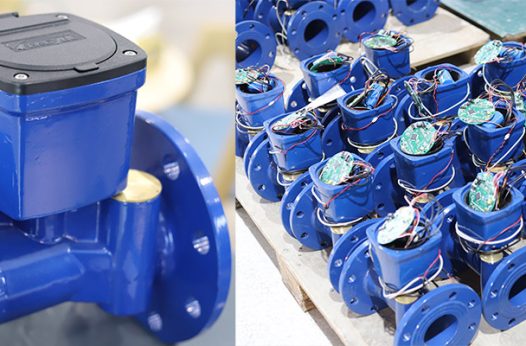
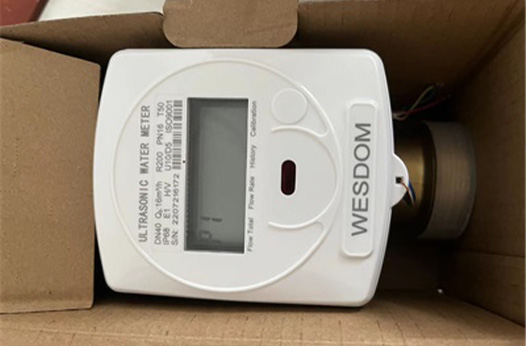
WESDUN specializes in high-quality smart water meters. It has years of experience serving different clients. These include manufacturing, commercial, and agricultural sectors. We use advanced technology and strict quality control. We offer customized solutions for diverse needs. Our systems optimize water management and cut costs significantly. They help meet sustainability goals. We strive to deliver innovative tools for a greener future.