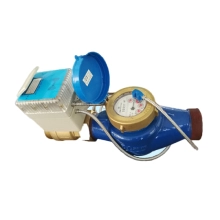
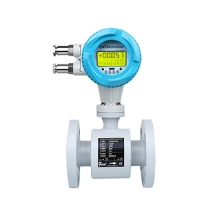
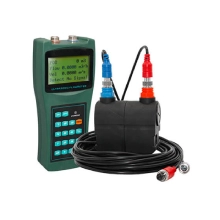
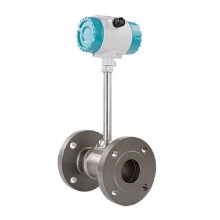
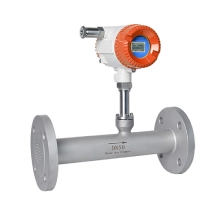
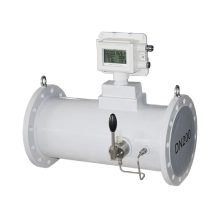

Smart water meters help property managers, utility companies, and businesses cut unnecessary time and operational expenses. Compared to traditional water meters, their biggest strength is far lower long-term maintenance requirements. However, not all smart water meters offer the same low-maintenance benefits. Choosing the wrong model leads to frequent repairs, site visits, and hidden ongoing costs.
If your top priority is to minimize repair, replacement, and on-site service costs, selecting the right smart meter model is critical. In this guide, we cover the best low-maintenance smart water meters and break down the key features that directly reduce your long-term maintenance workload.
Why Maintenance Costs Matter for Smart Water Meters
Traditional water meters rely on multiple moving mechanical parts. These components wear down quickly with regular use. They require frequent manual inspections, part repairs, and full meter replacements. On top of that, manual meter reading adds consistent labor costs year after year.
High-quality smart water meters solve most of these common pain points. They cut down on physical site visits, lower equipment failure rates, and extend overall service life. While premium smart meters have a slightly higher upfront cost, they always deliver better long-term value by eliminating repeated maintenance spending.
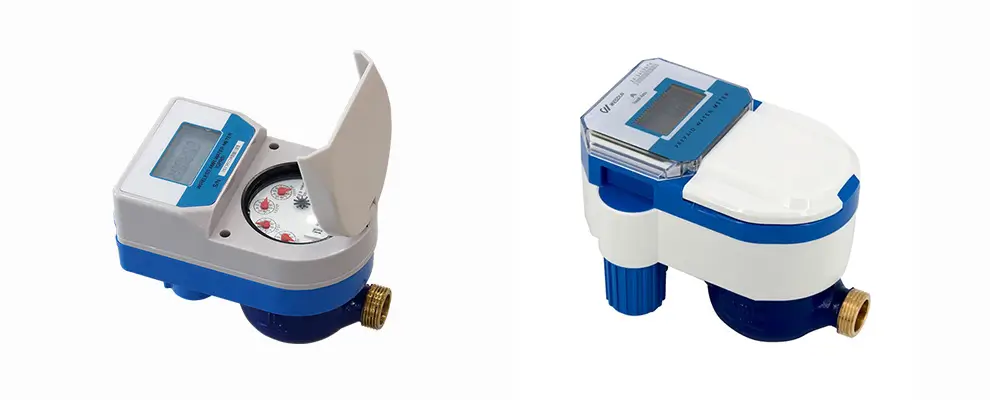
Key Low-Maintenance Features to Look For
When shopping for low-maintenance smart water meters, prioritize these key features. Each one directly reduces your daily and annual maintenance work.
1. No Moving Mechanical Parts
Standard mechanical water meters use internal gears and turbines to track water flow. Dust, sediment, and hard water mineral buildup gradually damage these parts. This causes inaccurate readings, flow blockages, and full meter jams over time.
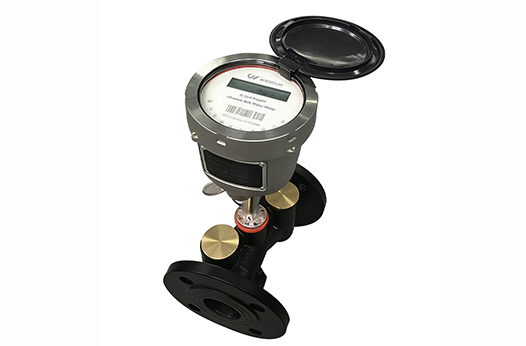
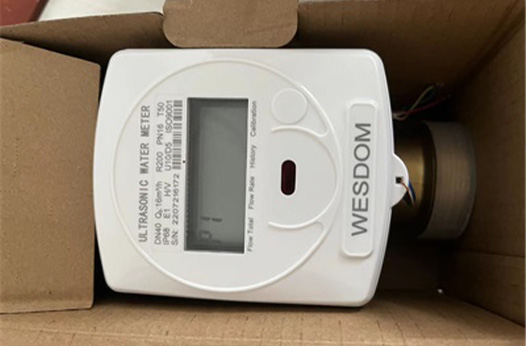
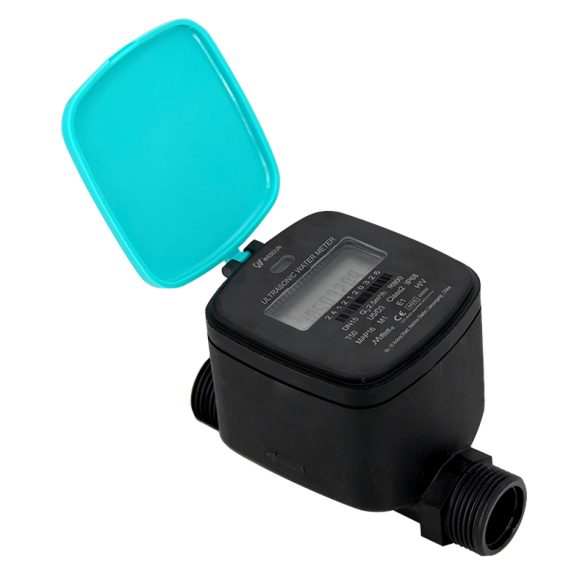
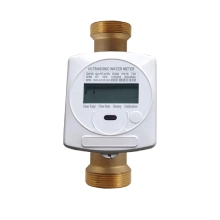
Ultrasonic smart water meters have no moving parts at all. They use sound wave technology to measure water flow accurately. This design makes them resistant to wear, blockages, and scaling. They require almost no routine maintenance throughout their lifespan.
2. Ultra-Long Battery Life
Frequent battery replacements are one of the most overlooked maintenance costs for smart meters. The best low-maintenance models feature long-lasting batteries that last 15–20 years. They operate consistently for decades without any on-site battery service.
3. Built-In Remote Monitoring
Smart meters with built-in remote monitoring remove the need for manual on-site readings. You access real-time water usage data, automatic leak alerts, and system fault notifications through a cloud platform. You only need to visit the site for rare, critical issues.
4. Self-Cleaning and Anti-Scaling Design
Regular tap water contains natural minerals and sediment. These materials build up on meter sensors over time and disrupt accurate readings. Meters with self-cleaning and anti-scaling designs prevent this buildup automatically. They maintain precise measurement accuracy with minimal manual cleaning.
5. High Environmental Durability
Outdoor-installed water meters withstand harsh conditions, including heavy rain, extreme heat and cold, and high humidity. Meters with IP68 waterproof and dustproof casing block moisture and dust to prevent internal corrosion and physical damage. This durable build drastically cuts unexpected breakdowns and emergency repair work.
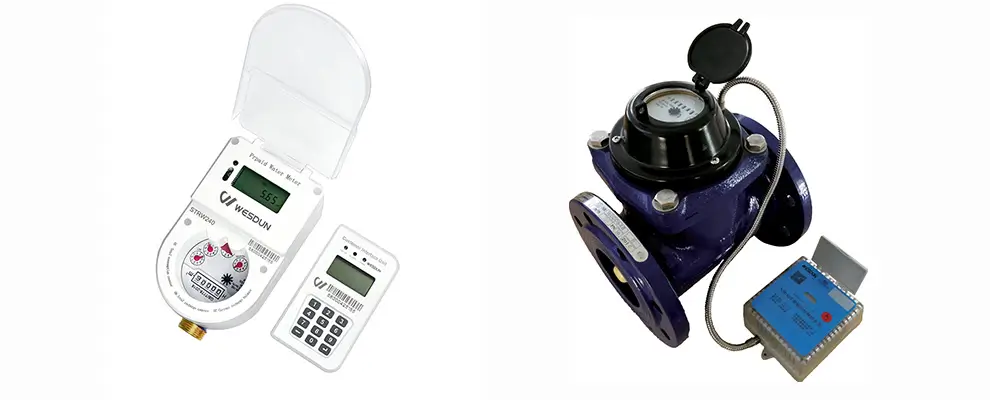
Best Low-Maintenance Smart Water Meters for Cost Savings
The following three smart water meter types lead the industry in long lifespan and minimal ongoing maintenance. They are the top choices for cost-focused utility and property management projects.
1. Ultrasonic Smart Water Meters (Top Pick)
Ultrasonic smart water meters are our top overall pick for low-maintenance operations. With no moving or wearable internal components, they eliminate the most common causes of meter failure. They maintain precise, stable readings for 16–20 years with zero routine part replacements.
Nearly all ultrasonic meters support mainstream communication protocols, including Wireless M-Bus, Sigfox, and LoRa. They integrate seamlessly with most existing IoT and water management systems. They also deliver automatic leak detection and abnormal flow alerts, helping you catch issues early and avoid costly troubleshooting. No regular calibration is required.
This versatile meter works perfectly for residential buildings, commercial properties, and municipal water utility projects. It consistently reduces annual maintenance budgets and long-term operational overhead.
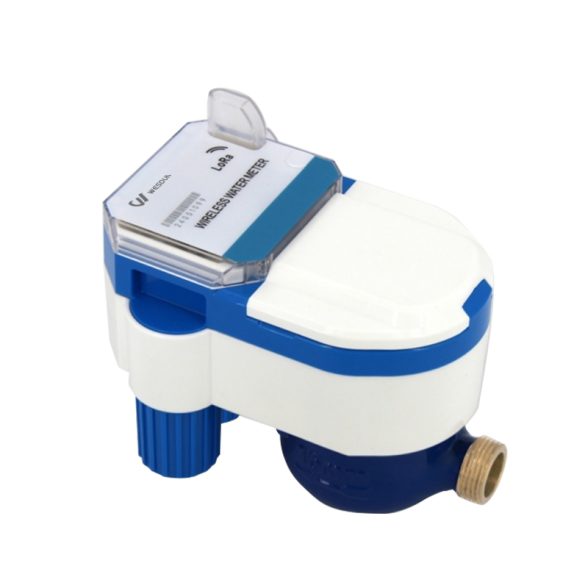
2. LoRaWAN Smart Water Meters
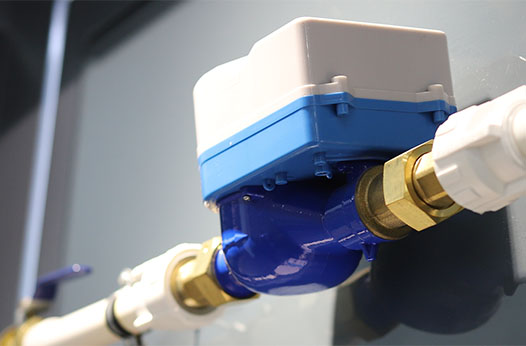
LoRaWAN smart water meters specialize in low-power, long-range wireless operation. They feature industry-leading battery longevity, matching the 15–20-year lifespan of top ultrasonic models. Once installed, they require almost no on-site maintenance or routine servicing.
They provide stable, reliable data transmission across large residential communities and wide-area municipal projects. Property managers and utility teams can monitor hundreds of connected meters from a single centralized platform. Their universal, user-friendly design fits most smart water systems, cutting down technical errors and troubleshooting time.
3. Pulse-Output Smart Meters (Budget Low-Maintenance Option)
Pulse-output smart water meters are the ideal budget-friendly low-maintenance option. They have far fewer mechanical faults than traditional water meters and need minimal routine inspections.
While they lack advanced smart features like remote fault alerts, they deliver steady, reliable long-term performance. They work best for small-scale projects that want to reduce basic maintenance labor without a large upfront investment.
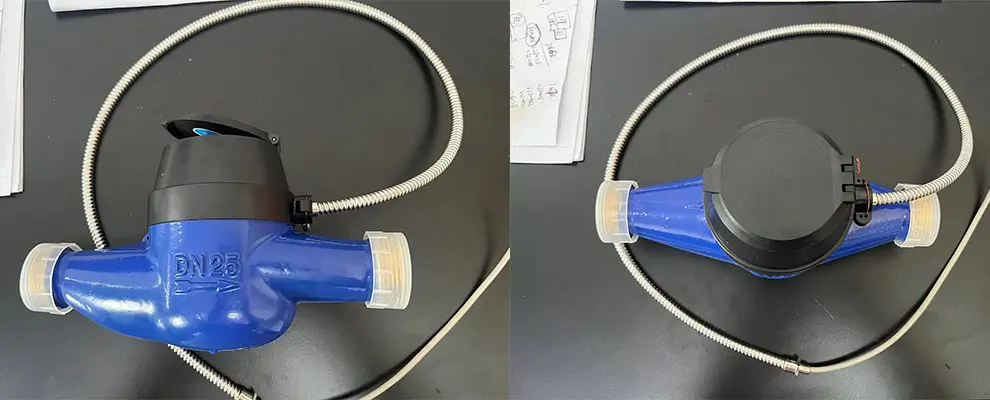
What to Avoid for Lower Maintenance Costs
To keep maintenance costs low long-term, avoid three common meter flaws. Steer clear of meters with short battery lifespans that need frequent replacements. Skip models with complex moving mechanical parts that wear out quickly. Avoid any meter that requires regular manual calibration to stay accurate.
Cheap, low-grade meters save money upfront, but they create massive long-term expenses. They suffer from frequent faults, inconsistent readings, and early failure. You will spend far more on replacements and repairs than you save on the initial purchase.
Final Verdict
Ultrasonic smart water meters are the clear best choice for minimal maintenance costs. Their combination of zero moving wearable parts, multi-decade battery lifespan, anti-scaling durable design, and full remote monitoring eliminates nearly all routine on-site work. They deliver consistent, reliable performance for 15–20 years.
For large-scale, wide-area coverage projects, LoRaWAN smart water meters are an excellent alternative. They strike a perfect balance between rugged durability, simple operation, and ultra-low long-term operational costs.
Choosing high-quality, low-maintenance smart water meters cuts down your labor costs, repair fees, and unplanned downtime. This small upfront investment delivers stable, long-term savings for every residential, commercial, and municipal water management projects.