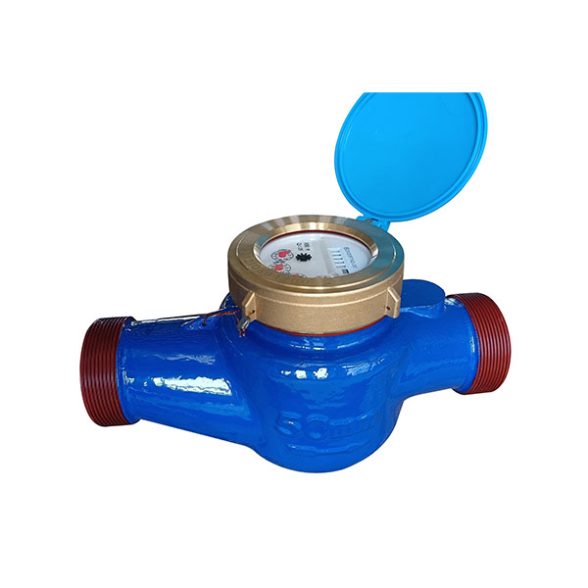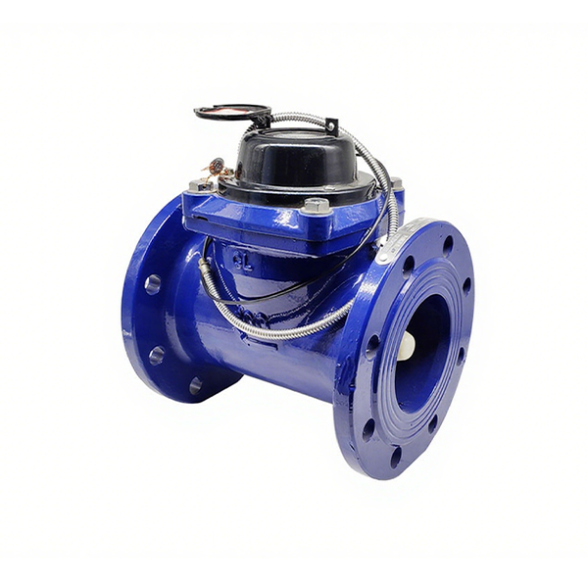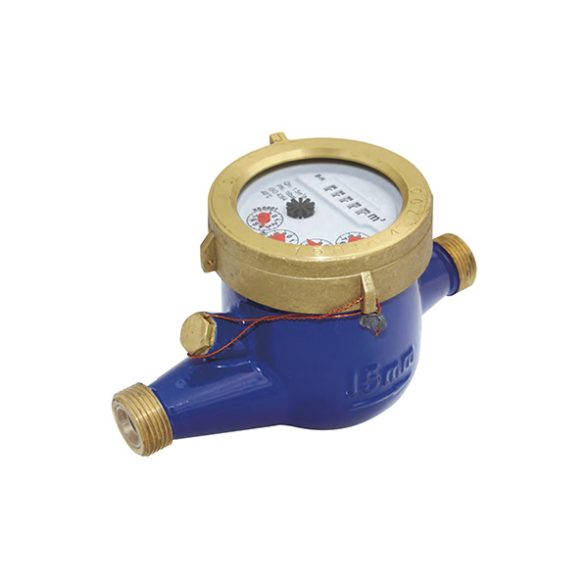

Mechanical water meters are widely used in homes, businesses, and factories. They help manage water resources and track water use. These meters have no batteries, have a simple design, and are durable. They are trusted in the industry for being reliable and affordable. However, mechanical wear, incorrect installation, or harsh conditions can cause problems. These problems affect how users use the meters and make water measurements inaccurate.
What is a Mechanical Water Meter?
Definition & Core Structure
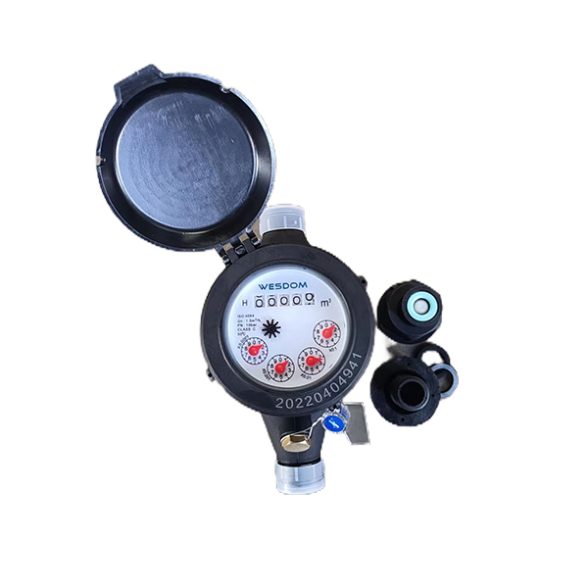
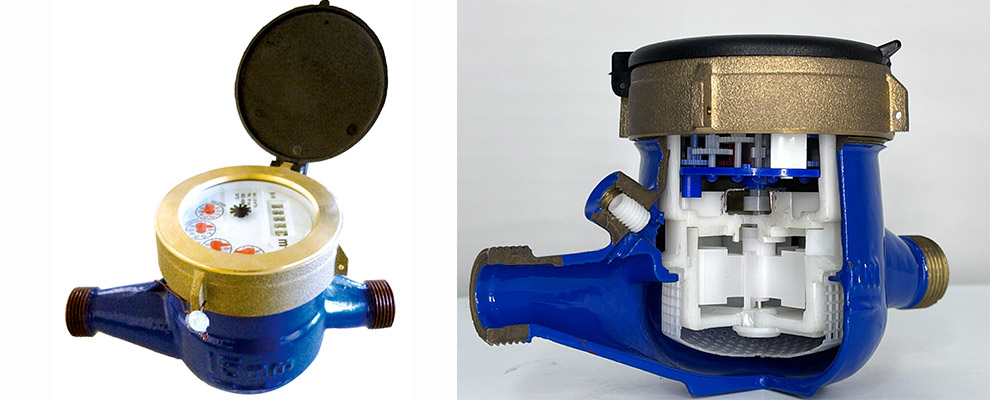
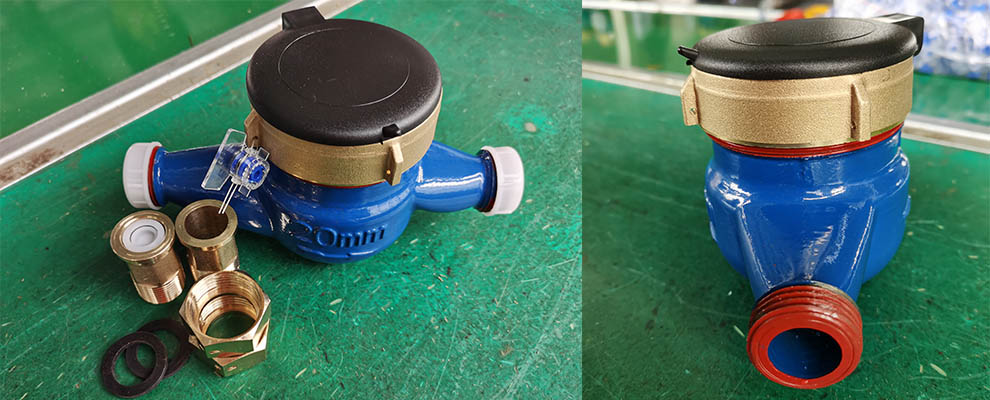
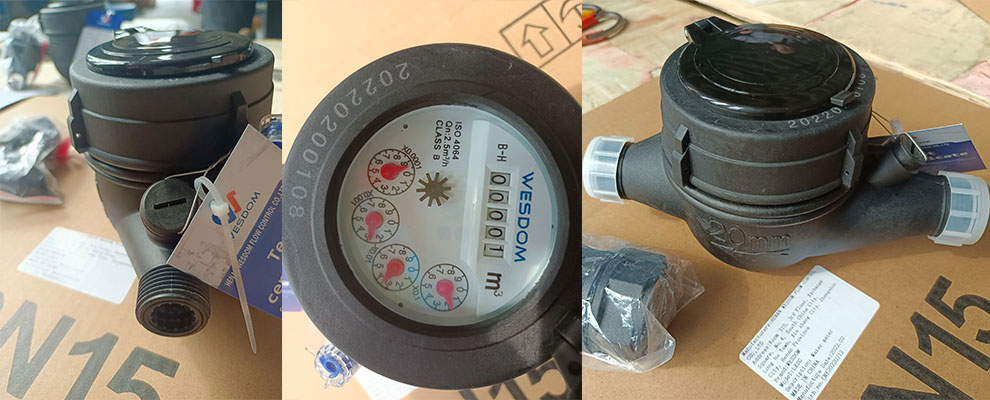
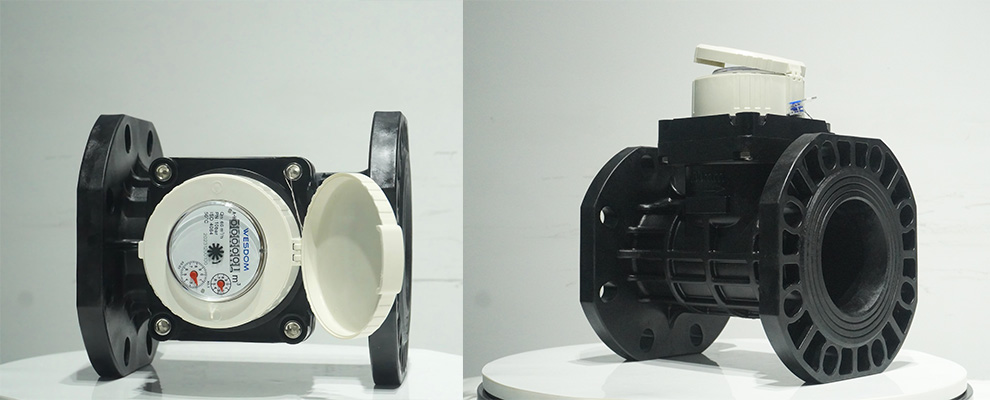
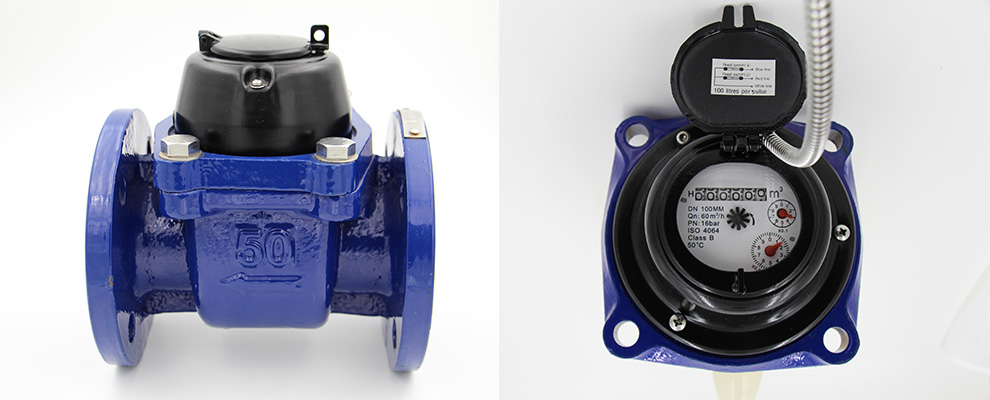
A mechanical water meter measures water volume through physical movement. It has no digital parts or external power. This is its main advantage over smart water meters. Manufacturers make these meters according to ISO 4064 standards. They use high-quality, durable materials. The meter body is made of corrosion-resistant brass or engineering plastic. The impeller is made of wear-resistant stainless steel or PPS. The dial uses fade-proof ink and tempered glass. Its main parts are the meter body, rotating impeller, gear set, dial, and sealed cover. All parts work together to ensure stable performance in different water conditions.
Working Principle
Mechanical water meters work based on fluid dynamics. Water flow turns the impeller. The impeller’s speed matches the water flow rate. The gear set turns this rotation into a readable number on the dial. The number is shown in cubic meters or gallons. All meters are calibrated at the factory. They meet AWWA standards, with an error margin of ±1.5%. This ensures accurate water measurement.
Types & Standard Sizes
There are two main types of mechanical water meters: single-jet and multi-jet. Single-jet meters have a simple structure and low cost. They are good for small homes with stable, low water flow. Multi-jet meters have a multi-directional water inlet. They are more accurate, even when water flow changes. They are suitable for larger homes, small businesses, and light industry. The common sizes for homes are DN15 and DN20. Commercial and industrial users use DN25 to DN50 models. With proper installation, these meters can last 10 to 20 years. They have no electronic parts, so there are no electronic failures. Most problems come from incorrect installation, poor water quality, or human damage.
Common Malfunctions of Mechanical Water Meters
Self-Rotation
Mechanical water meters are durable, but their parts can wear over time. One common problem is self-rotation. This happens when the meter’s dial spins even when no water is used. It is usually caused by pipeline pressure changes, water hammer, broken check valves, trapped air in pipes, or wrong installation near the main water line.
Inaccurate Readings
Another major problem is inaccurate readings. You may notice sudden, unexpected changes in your water bill. Your water use habits do not change, but the bill goes up or down. This is often caused by impeller wear, wrong calibration, wrong meter size, wrong installation, poor water quality, or trapped air.
Sensitivity & Pointer/Digit Issues
Poor sensitivity is another common issue. The meter fails to detect low water flow, like a dripping faucet. Worn impeller shafts, debris, incorrect flow settings, or clogged filters cause this problem. Pointer and digit wheel issues are also common. Pointers fall off, and wheels get stuck. Water hammer, loose connections, broken gears, or debris in the meter usually cause these problems.
Other Malfunctions
Other common problems include blackened or faded dials. These are caused by dirt or chemical reactions. Leaks can happen from old seals, cracked bodies, or loose connections. Unusual noises mean the impeller is damaged, there is debris, or water pressure is unstable. Impeller jamming happens when debris or rust stops the impeller from spinning.
How to Fix Common Mechanical Water Meter Issues
Self-Rotation Fixes
Do not take apart the meter’s core parts. This will damage the factory calibration and void the warranty. For self-rotation, first open all faucets to release trapped air. If this does not work, install a check valve to prevent backflow. You can also adjust the meter’s position or add a water hammer arrestor to stabilize pressure.
Inaccurate Readings Fixes
To fix inaccurate readings, compare your recent water bills. Track your daily water use to confirm the problem. Clean the meter’s filter to remove sediment. Make sure the meter is installed horizontally. It needs 10 times the meter’s diameter of straight pipe at the inlet and 5 times that at the outlet. For calibration issues, ask a professional for help. If the meter is the wrong size, replace it with DN15 or DN20. Install a filter before the meter to prevent clogs.
Sensitivity & Pointer/Digit Fixes
For poor sensitivity, ask a professional to clean the impeller. They can tighten loose shafts or replace clogged filters. Use a meter calibrated for low water flow in homes with little water use. For pointer or digit wheel problems, a professional can reattach pointers or replace the gear box with standard parts.
Dials, Leaks & Noises Fixes
Clean blackened or faded dials with a soft cloth. Replace the dial if it is still unreadable. Stop leaks by replacing old seals. Use waterproof tape for small cracks, but replace the meter body soon. Unusual noises can be fixed by a professional. They can inspect or replace the impeller, clean internal parts, or install a pressure regulator.
Jammed Impellers & Post-Maintenance Checks
A professional should clean a jammed impeller. They will also check for pipe corrosion, which causes sediment. Replace bent or damaged impellers with standard parts. After any repair, monitor the meter for 1 to 2 weeks. Track daily readings to make sure the problem is fixed. Most mechanical water meters have a 1-year warranty. Lifelong maintenance services are also available.
When to Replace Your Mechanical Water Meter
Inaccuracies & Aging Meters
You need to replace your meter in some cases. If readings are still inaccurate after calibration and repairs, the internal parts are too worn—replace the meter. Meters over 20 years old should be replaced proactively. They may seem to work, but their accuracy drops over time.
Physical Damage & Frequent Breakdowns
Severe physical damage means you must replace the meter. This includes large cracks, heavy rust, shattered glass, or broken connections. Temporary fixes will not last. If the meter breaks often, replacement is more cost-effective. Replace it if repair costs are more than 50% of a new meter. Many programs offer discounts for old meter replacement.
Incorrect Sizing & Internal Corrosion
If the meter is the wrong size, you cannot calibrate it. Replace it with a model that matches your water flow. DN15 and DN20 are best for most homes. Severe internal corrosion from poor water quality also requires replacement. Install a high-quality sediment filter with the new meter to protect it.
Additional Replacement Tips
Follow recommendations from your water utility. They may offer free or low-cost replacement programs. Replace non-functional meters right away. If your meter is broken, the utility may charge you an estimated bill. This bill is often higher than your actual use.
Final Thoughts
Mechanical water meters are reliable and affordable. They are essential for water management. You can fix small problems yourself. Ask for professional help for complex issues. Regular maintenance helps extend their life. Replace old or damaged meters to keep water measurements accurate. This supports efficient water use and fair billing for everyone.