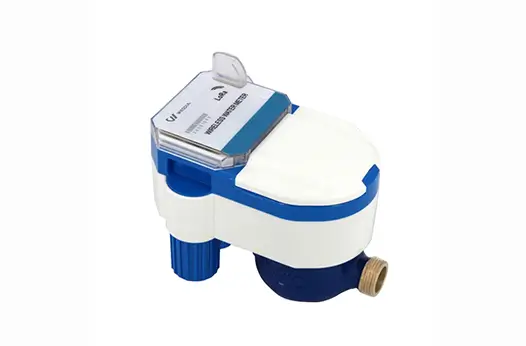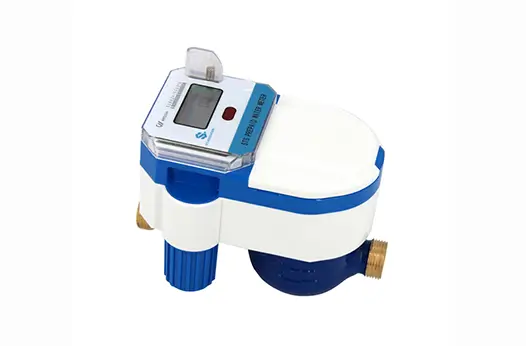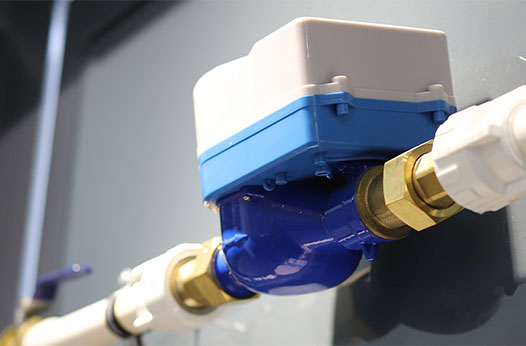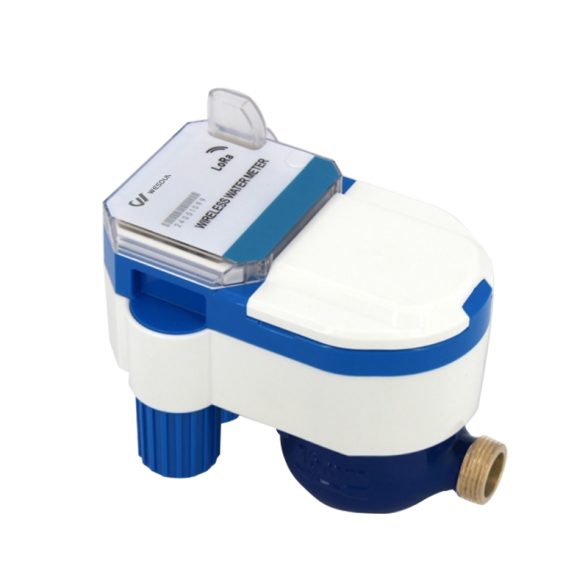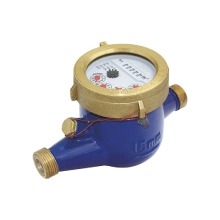
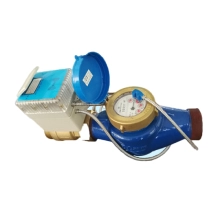
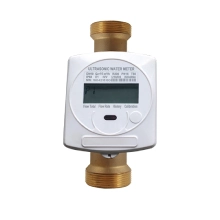
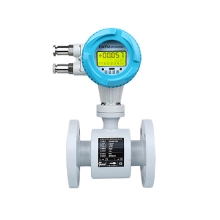

LoRa water meters offer a practical way to collect water consumption data remotely. They help water utilities reduce manual meter reading and improve water management.
However, a smart water meter is only one part of a remote meter reading system. The communication protocol and concentrator also play important roles.
Understanding these components helps buyers select the right solution for their projects.
1. What Is a LoRa Water Meter?
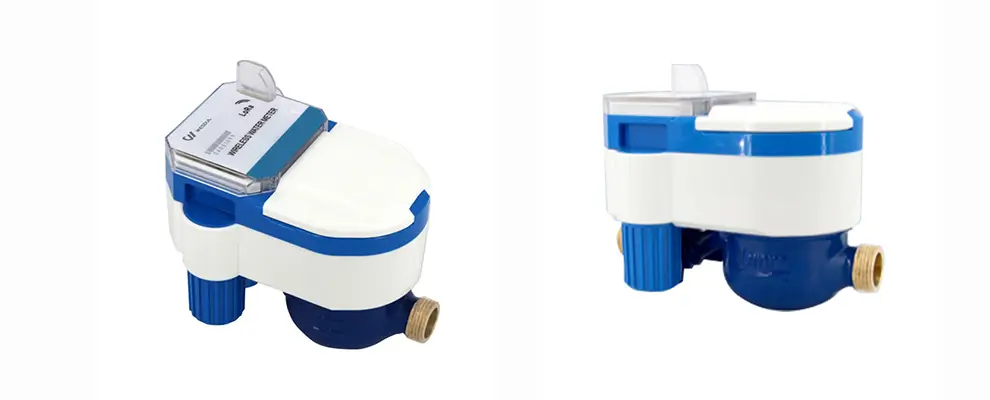
A LoRa water meter uses low-power wireless communication to transmit water consumption data over long distances.
Unlike traditional mechanical water meters, it can send readings to a remote system without requiring staff to visit each meter.
LoRa technology is suitable for water metering because it supports long-range communication and low power consumption. This makes it useful for battery-powered meters in residential buildings, rural areas, and large water supply networks.
A LoRa water meter can help utilities:
- Collect meter readings remotely.
- Reduce manual meter reading costs.
- Monitor water consumption more efficiently.
- Identify unusual consumption patterns.
- Improve billing and water management.
However, the available functions depend on the meter design, communication system, and software platform.
2. What Is the Communication Protocol of a LoRa Water Meter?
The communication protocol defines how a water meter sends and receives data. It also determines how devices communicate with the network and how the system handles security.
When discussing LoRa water meters, buyers should understand the difference between LoRa and LoRaWAN.
LoRa vs. LoRaWAN
LoRa is a wireless radio technology. It defines how devices transmit data over radio frequencies.
LoRaWAN is a communication protocol built on LoRa technology. It defines how devices communicate with gateways and network servers.
In simple terms, LoRa provides the wireless connection, while LoRaWAN provides the rules for communication.
A LoRa water meter may use LoRaWAN or a proprietary communication protocol. These two options are not automatically compatible.
For example, a meter that uses a proprietary LoRa protocol may not connect directly to a standard LoRaWAN gateway.
Before purchasing a LoRa water meter, buyers should confirm its communication protocol and check whether it is compatible with their existing system.
Common Communication Protocols for Smart Water Meters
LoRaWAN is one option for smart water metering. Other systems may use proprietary protocols or different wireless technologies.
The most suitable choice depends on the project requirements.
| Protocol | Main Function |
|---|---|
| LoRaWAN | Standardized communication between meters, gateways, and network servers |
| Proprietary LoRa protocol | Manufacturer-defined communication over LoRa radio technology |
| Wireless M-Bus | Wireless meter communication commonly used in European metering applications |
A water meter may also support an application-layer protocol, such as DLMS/COSEM. This defines how the system represents and exchanges metering data.
The radio technology and the data protocol serve different purposes. Buyers should check both when evaluating a complete system.
3. What Is a LoRa Water Meter Concentrator?
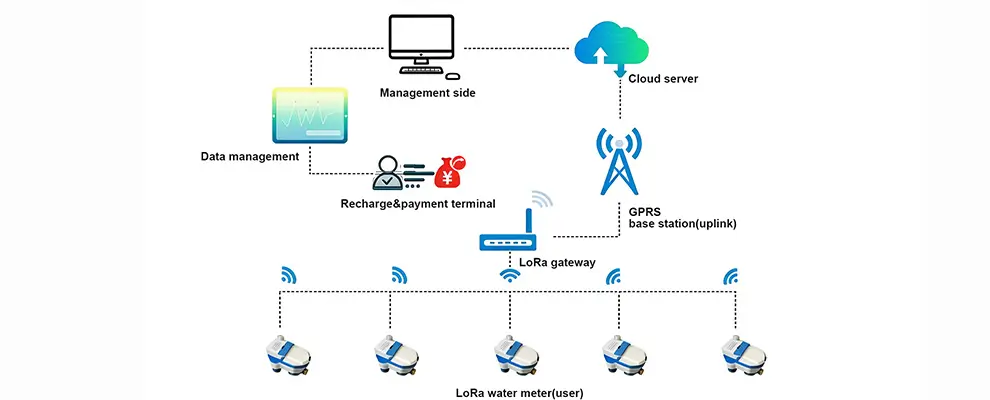
A concentrator is a communication device that collects data from multiple water meters and transfers it to a central system.
In a LoRaWAN network, this device is commonly called a gateway.
The gateway receives wireless messages from nearby meters and forwards them to a network server through an IP connection, such as Ethernet or cellular communication.
The network server then processes the messages and delivers the relevant data to the water management platform.
A concentrator helps utilities collect readings from many meters without requiring a separate internet connection for every meter.
However, the number of meters a concentrator can support depends on its radio capacity, communication settings, reporting frequency, and network conditions.
4. How Does a LoRa Water Meter Concentrator Work?
A typical LoRaWAN water metering system includes four main components.
Step 1: The Water Meter Measures Consumption
The water meter measures the volume of water passing through the pipeline.
Its built-in communication module prepares the meter reading for wireless transmission.
Step 2: The Meter Sends Data to the Concentrator
The meter transmits its reading through a LoRa wireless connection.
One or more gateways may receive the message, depending on network coverage.
The meter does not need to connect directly to the internet.
Step 3: The Concentrator Forwards the Data
The gateway forwards the received message to a network server through an IP connection.
It does not normally interpret the water consumption data itself.
The network server handles communication management, security checks, and message processing.
Step 4: The Platform Displays the Reading
The application platform receives the processed data and displays it for the water utility or system operator.
Users can view water consumption, generate reports, and manage meter information.
Some systems also support alarms, remote configuration, or valve control. These functions require compatible meters and software.
5. How Many Water Meters Can One Concentrator Support?
There is no fixed number of water meters that every concentrator can support.
A gateway may receive data from many meters, but its actual capacity depends on several factors.
Communication Frequency
Meters that transmit data more frequently use more network capacity.
For example, a system that sends readings every few minutes requires more capacity than one that sends daily readings.
Wireless Signal Quality
Buildings, underground meter boxes, walls, and other obstacles can weaken radio signals.
Poor signal quality may require additional gateways or changes to their installation locations.
Data Size and Network Settings
Large messages and frequent transmissions increase network traffic.
The communication settings must balance data requirements, network capacity, and battery life.
Project Coverage
A large project may need several gateways to provide reliable coverage.
The number of gateways depends on actual site conditions, not just the advertised communication range.
For this reason, buyers should evaluate the complete metering network rather than selecting a concentrator based only on its maximum meter capacity.
6. What Should Buyers Check Before Choosing a LoRa Water Meter System?
Selecting the right communication system can prevent compatibility problems and reduce installation costs.
Here are six important points to check.
1. Communication Protocol Compatibility
Confirm whether the meter uses LoRaWAN or a proprietary LoRa protocol.
If you already have a gateway or meter reading platform, check whether it supports the meter’s communication protocol.
2. Operating Frequency
Different countries and regions use different frequency bands for LoRaWAN.
The meter and gateway must support the appropriate frequency plan for the project location.
For example, a device designed for one regional frequency band may not operate correctly in another region.
3. Meter Reading Interval
Decide how often the system needs to collect water consumption data.
Daily readings may be sufficient for some billing applications. Other projects may require more frequent monitoring.
The reading interval affects network capacity and battery life.
4. Communication Coverage
Check the distance between meters and gateways.
Consider buildings, underground installations, and other physical obstacles.
A site survey can help determine the required gateway locations and coverage.
5. Data Security
Check whether the system supports appropriate authentication and encryption.
LoRaWAN includes security mechanisms for protecting network communication and application data.
For proprietary systems, buyers should confirm the manufacturer’s security design.
6. Software and Data Integration
Confirm that the gateway can connect to the required network server and application platform.
Also check whether the system supports the data formats and interfaces needed for billing, reporting, and water management.
A compatible meter alone does not guarantee compatibility with the complete system.
7. Why Is a Complete LoRa Water Meter Solution Important?
A LoRa water meter, concentrator, communication protocol, and software platform must work together.
If one component is incompatible, the system may fail to collect or process readings correctly.
For example, a meter may support long-range LoRa communication but still require a specific gateway or proprietary platform.
A complete solution should consider:
- Water meter specifications.
- Communication protocol and frequency.
- Gateway or concentrator compatibility.
- Network coverage and capacity.
- Software integration and data security.
Planning these components together helps reduce installation problems and supports reliable long-term operation.
Conclusion
LoRa water meters provide a practical solution for remote water meter reading. They support low-power wireless communication and can reduce the need for manual meter reading.
However, buyers should not focus only on the water meter itself.
The communication protocol, concentrator, network coverage, and software platform all affect system performance.
Before selecting a LoRa water meter solution, confirm protocol compatibility, operating frequency, reading requirements, and gateway capacity.
A well-designed system can help water utilities improve meter reading efficiency and manage water consumption more effectively.
Frequently Asked Questions
What is the difference between LoRa and LoRaWAN?
LoRa is a wireless radio technology. LoRaWAN is a communication protocol that uses LoRa radio technology to connect devices to a network.
Does every LoRa water meter need a concentrator?
A LoRaWAN water meter usually communicates with a gateway to reach the network server. However, some systems use different network architectures or proprietary communication methods.
Can one concentrator collect data from multiple water meters?
Yes. A concentrator can receive data from multiple meters within its coverage area. The actual number depends on network capacity, signal quality, and meter reporting frequency.
Does a LoRa water meter need an internet connection?
The meter itself does not need a direct internet connection. A gateway typically uses Ethernet, cellular communication, or another IP connection to forward data to the network server.
Can LoRa water meters connect to different manufacturers’ gateways?
This depends on the communication protocol and system configuration. LoRaWAN devices can support interoperability when they use compatible regional parameters, protocol versions, and network settings. Proprietary systems may require equipment from the same manufacturer.